Best AI Mode Trackers in 2026, Organized by Data Type
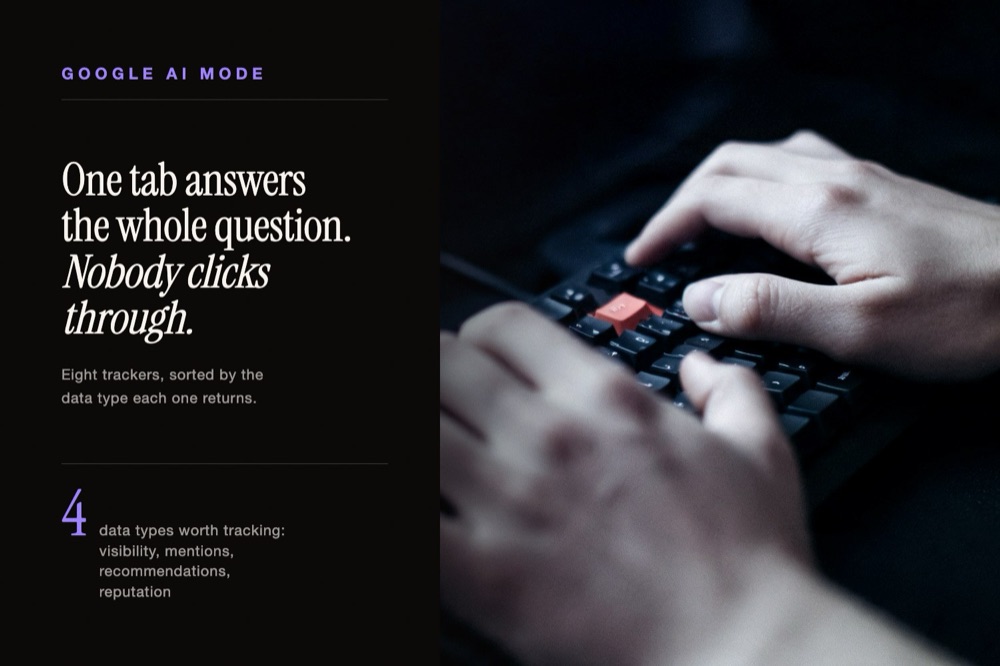
AI Mode trackers answer a question Google gives you no report for: when someone researches your category inside Google's conversational AI Mode tab, does your brand get mentioned, recommended, or quietly skipped? You can't pull this from analytics — Google's AI features documentation states that sites appearing in AI Mode are simply included in overall search traffic in Search Console, reported inside the "Web" search type with no separate filter.
That blind spot is why a whole tracker market formed in under two years. This guide organizes the best AI Mode trackers of 2026 by the data type each one collects — AI visibility, AI mentions, AI recommendations, and AI reputation — with pricing checked on every vendor's official site in early August 2026. We covered the optimization side separately in our AI Mode SEO tools guide; this post is purely about measurement.
What Do AI Mode Trackers Actually Measure?
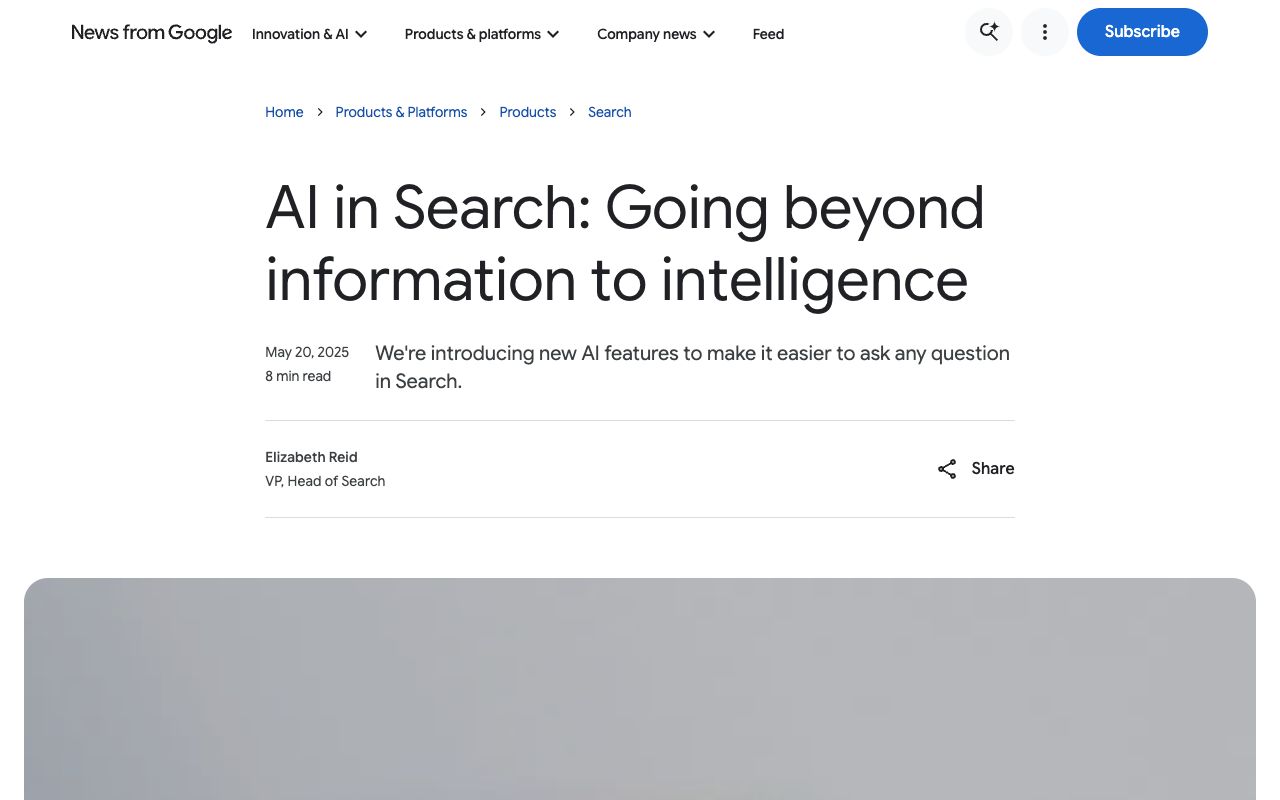
Quick context first. AI Mode is the conversational search tab Google launched as a Labs experiment in March 2025 and rolled out to all US users at I/O on May 20, 2025, where Search lead Elizabeth Reid called it "our most powerful AI search, with more advanced reasoning and multimodality" (Google, May 2025). It runs on a custom version of Gemini 2.5, gained Hindi, Indonesian, Japanese, Korean, and Brazilian Portuguese in September 2025 (TechCrunch), and reached more than 200 countries and territories with 35+ new languages that October (Engadget).
One clarification: AI Mode is not AI Overviews — the Overviews summary block sits on the classic results page and deserves its own tracking plan, while everything below targets the dedicated conversational tab.
AI Mode trackers are monitoring platforms that submit your chosen prompts to AI Mode (or its neighboring AI surfaces) on a schedule, parse the generated answers, and log what happened. Four distinct data types come out of that parsing: whether you appeared at all (visibility), how often and where you were named (mentions), whether you were endorsed for purchase-style prompts (recommendations), and how the answer framed you (reputation). Very few tools do all four well, which is exactly why this roundup is organized the way it is.
Why Should You Track Google AI Mode in 2026?
Four concrete benefits justify the line item:
- You recover an invisible data stream. Since Search Console folds AI Mode into overall "Web" totals, a tracker is the only way to learn which prompts surface your brand and which never do.
- You catch volatility a single check misses. AI Mode answers are generative and multi-turn, so the same prompt can return a different brand list on Tuesday than it did on Sunday. Scheduled sampling turns anecdotes into a trend line you can act on.
- You see buying research you'll never get a click from. Google said at I/O 2025 that AI Overviews were already driving a more than 10% usage increase for the query types where they appear in its biggest markets — evidence that product research keeps moving into AI surfaces before any website gets the visit.
- You build a citation target list. AI Mode cites sources. When a tracker shows the same five domains feeding answers in your category, you know precisely where earned coverage will move the needle.
There's a fifth, defensive benefit: a wrong price, a stale limitation, or a competitor framed as the safer pick gets repeated to every searcher until the underlying source changes — and without monitoring, nobody on your team knows it's happening.
Which AI Mode Tracking Tools Fit Each Data Type?
Most roundups rank one flat list. In practice the best AI Mode trackers cluster into four data types, and buying the wrong type is the most common mistake we see: a visibility tracker can't explain sentiment, and a reputation scanner won't hand you rank-style positions. Here's the field at a glance, with prices verified on official pricing pages in early August 2026:
| Tool | Data type | Google AI Mode coverage | Starting price |
|---|---|---|---|
| Semrush AI Visibility Toolkit | AI visibility | Google's AI results (listed as "Google AI") | $99/mo per domain |
| ZipTie | AI visibility | AI Overviews only — no AI Mode tab | $69/mo |
| Ahrefs Brand Radar | AI mentions | Yes — "AI Overviews & AI Mode" | $398/mo add-on |
| LLM Pulse | AI mentions | Yes, on all plans | €49/mo |
| Peec AI | AI recommendations | Yes, on all tiers | Annual billing, rates on its pricing page |
| Profound | AI recommendations | Enterprise tier only | Free 7-day trial; Enterprise custom |
| Kairosy | AI reputation | No — scans Gemini plus three other assistants | Free scan, paid from $29/mo |
| Otterly.AI | AI reputation | Paid add-on | $29/mo |
Best Trackers for AI Visibility in Google AI Mode
Visibility tools answer "do we show up, and where?" — presence, position, and share of visibility across a prompt set, benchmarked against competitors.
1. Semrush AI Visibility Toolkit
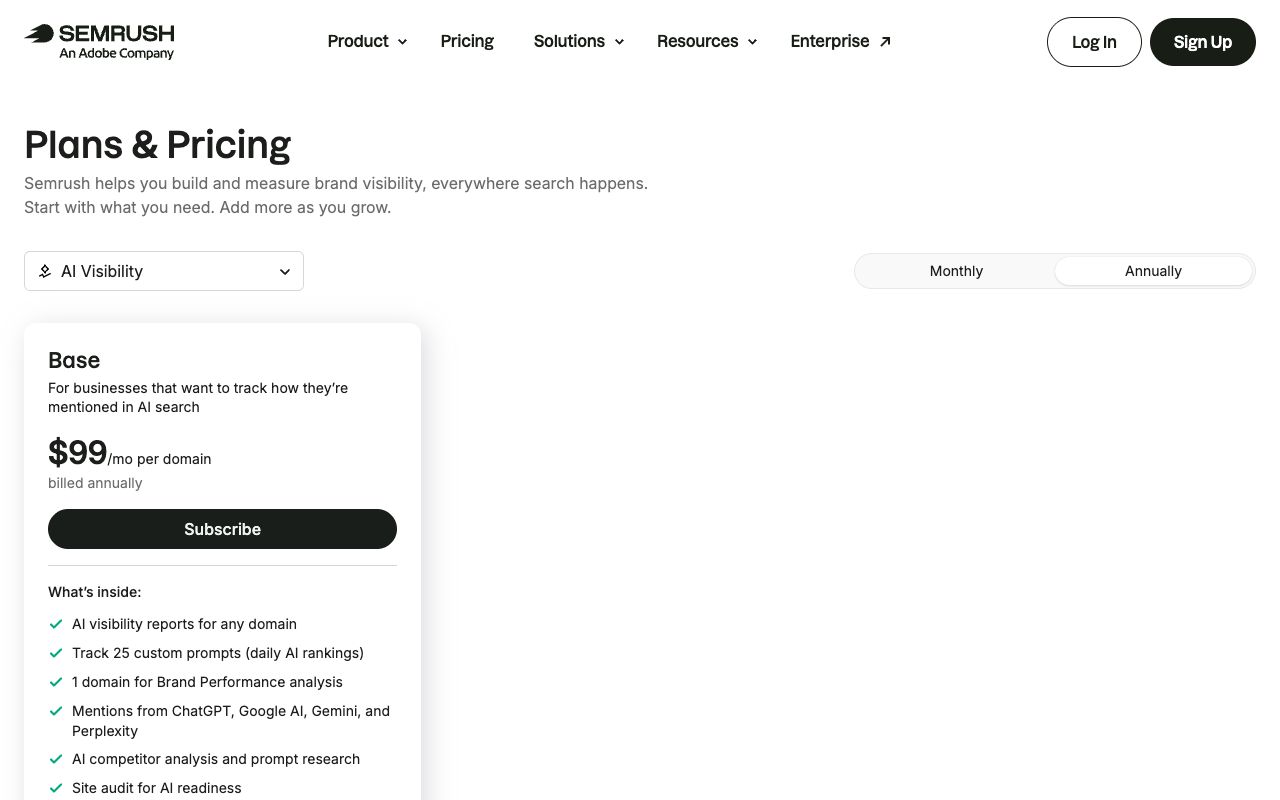
Semrush's AI Visibility Toolkit costs $99/month per domain billed annually and tracks 25 custom prompts with daily AI rankings, pulling brand mentions from ChatGPT, "Google AI," Gemini, and Perplexity — Google AI being Semrush's umbrella label for Google's AI-generated results. The package adds AI competitor analysis, prompt research, and an AI-readiness site audit, and if you want it fused with classic SEO data, the Semrush One bundles start at $199/month.
Watch-out: per-domain pricing scales quickly if you manage several sites, and additional users start at $45/month each.
2. ZipTie
ZipTie starts at $69/month (Basic, 500 AI search checks) with a 14-day free trial and country-level tracking across 28 markets. The honest caveat: as of this writing its site lists Google AI Overviews, ChatGPT, and Perplexity as tracked engines — not the AI Mode tab itself — so treat it as a budget option for Google's adjacent AI surface rather than a literal AI Mode tracker, and re-check its engine list before you commit.
Best AI Mode Tracking Software for Brand Mentions
Mention trackers count and archive every time an AI answer names your brand across large prompt sets, which makes them the right AI mode tracking software when the question is "how often are we in the conversation?" rather than "did we win this prompt?"
3. Ahrefs Brand Radar
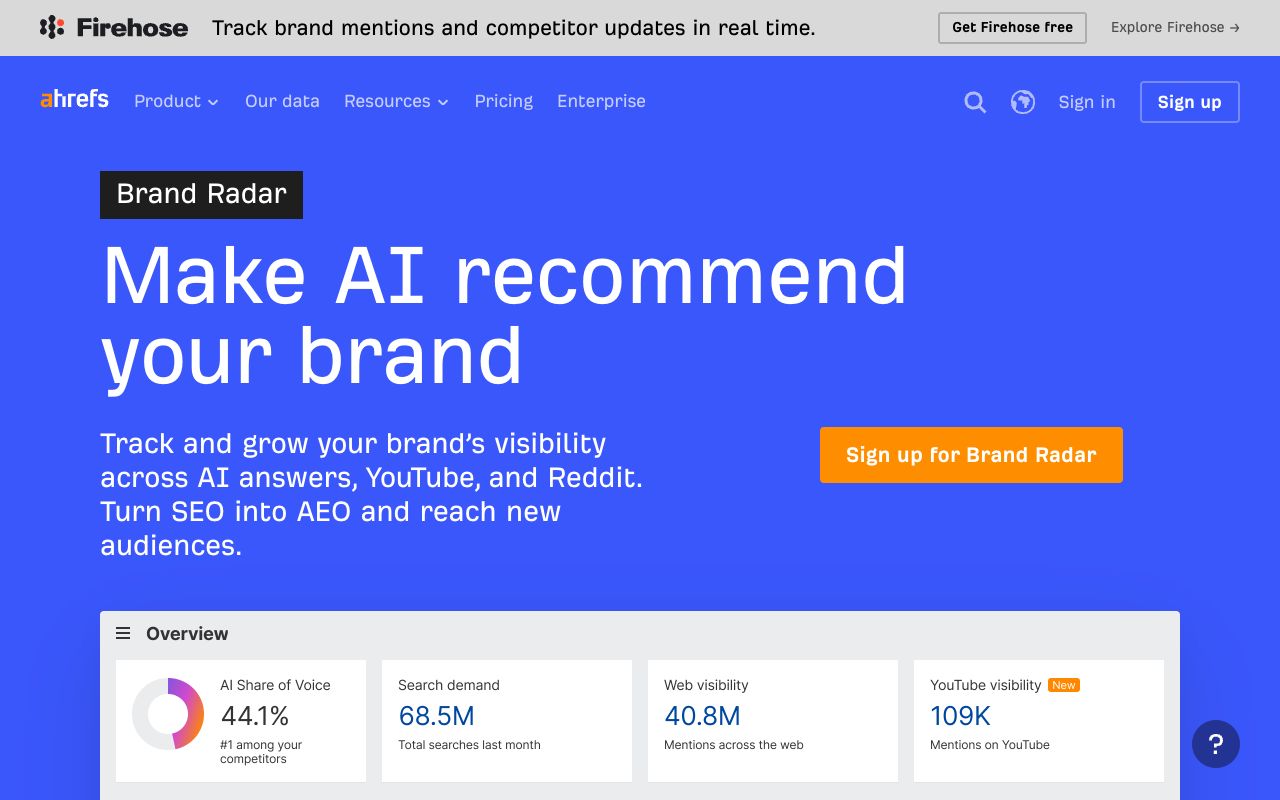
Ahrefs Brand Radar is the heavyweight. It explicitly lists "AI Overviews & AI Mode" among its tracked sources alongside ChatGPT, Perplexity, Copilot, Gemini, and Grok, and it hunts for your brand across a database of 476M+ organic prompts rather than only the ones you configure. It's sold as an add-on to Ahrefs subscriptions: $398/month for select platforms or $699/month for all of them, with YouTube, TikTok, and Reddit monitoring free while in beta. The price stings, but for pure AI Mode mention coverage at scale it currently has the deepest prompt corpus we could verify.
4. LLM Pulse
LLM Pulse tracks brand mentions in ChatGPT, Perplexity, Gemini, Google AI Mode, and AI Overviews on every plan, with unlimited team seats throughout. Pricing starts at €49/month for 50 tracked prompts and climbs through Growth (€99, 150 prompts) to €1,199/month for 2,400 prompts, with annual billing worth two months free. It's the most affordable entry we found that includes the actual AI Mode tab without add-on fees or an enterprise call.
Which Tools Track AI Recommendations in AI Mode?
Recommendation trackers concentrate on commercial prompts — "best CRM for a 10-person agency" — and record which brands the answer endorses, in what order, and instead of whom. This is the category to buy when sales asks why a competitor keeps winning deals you never got to pitch.
5. Peec AI
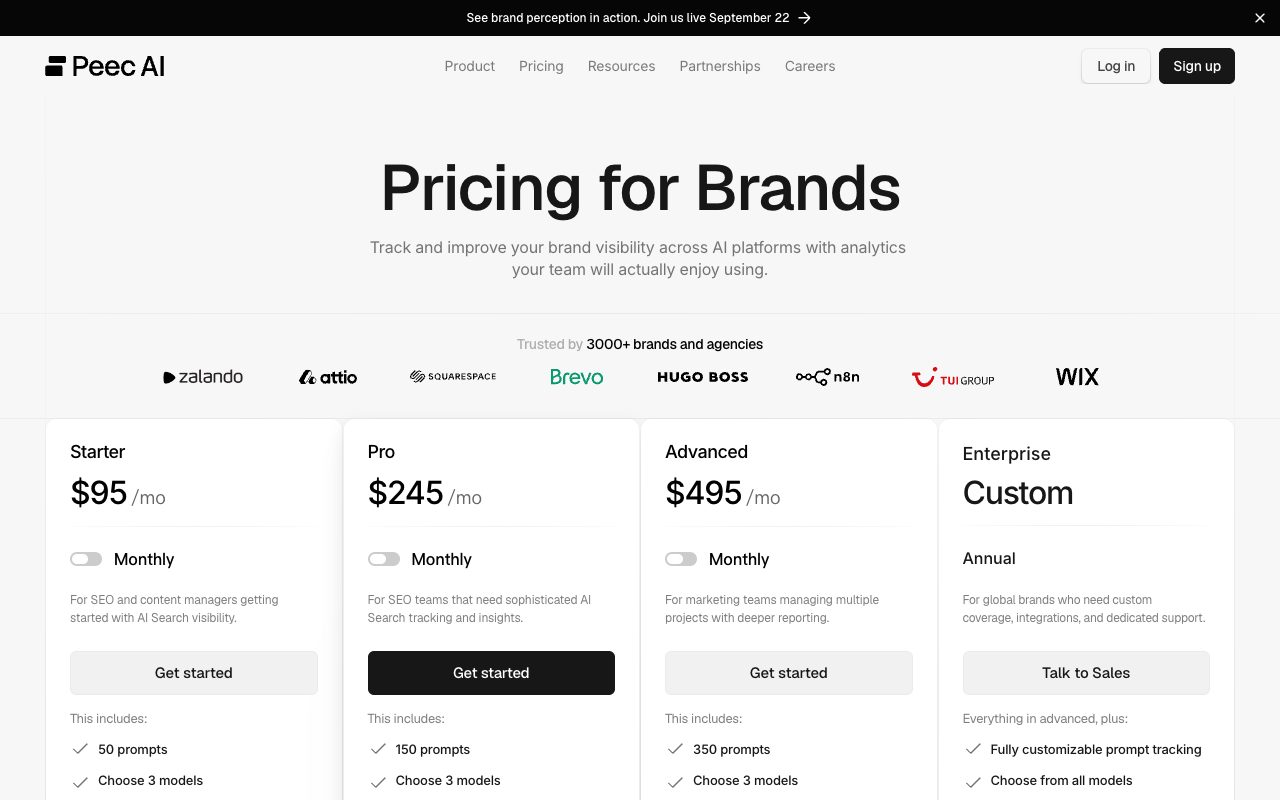
Peec AI tracks ChatGPT, AI Mode, AI Overviews, Microsoft Copilot, Perplexity, and Gemini with daily frequency on every tier, and its competitive views rank you against rivals prompt by prompt — closer to a leaderboard than a log. Plans come as Starter (1 project), Pro (2 projects), and Advanced (5 projects) plus a custom Enterprise tier, billed annually. The public pricing page doesn't display dollar figures, so check current rates there before budgeting. Peec advertises 3,000+ brands and agencies and a 4.9/5 G2 rating on its homepage.
6. Profound
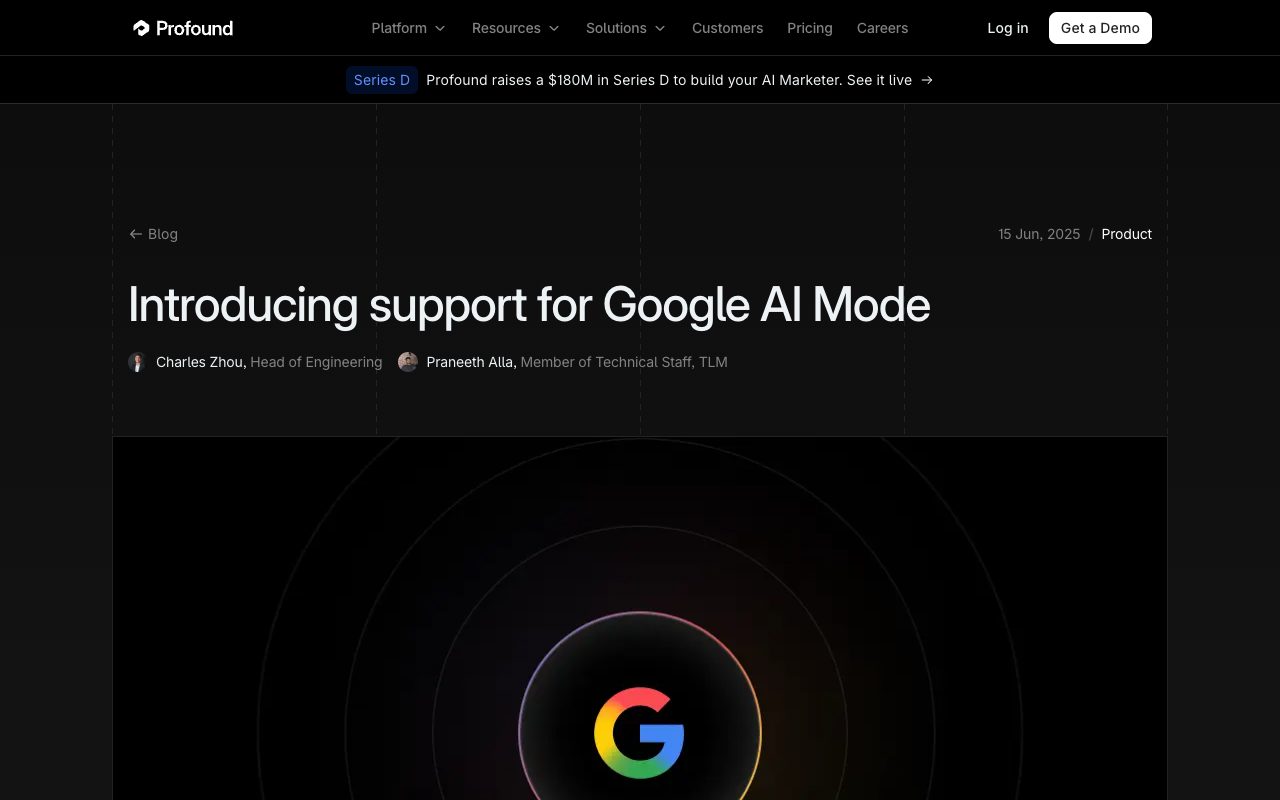
Profound is the enterprise pick. For brands it now lists only a free 7-day Trial (50 prompts a day on ChatGPT, Gemini and Google AI Overviews) and a custom-priced Enterprise tier that reaches up to nine engines, and Google AI Mode tracking sits in that Enterprise tier. Its differentiator is prompt-volume data — seeing what millions of people actually ask AI — which turns recommendation tracking into demand research. Just know the AI Mode piece specifically requires the sales-led tier.
Best AI Reputation Trackers Beyond the AI Mode Tab
Reputation trackers go past counting appearances and score how AI talks about you: the sentiment, the recurring criticisms, and the sources those criticisms trace back to. This is also where measurement should widen beyond one Google tab, because the buyer who starts a research thread in AI Mode routinely asks ChatGPT or Perplexity the same question an hour later — and those assistants can tell a completely different story about your brand.
7. Kairosy
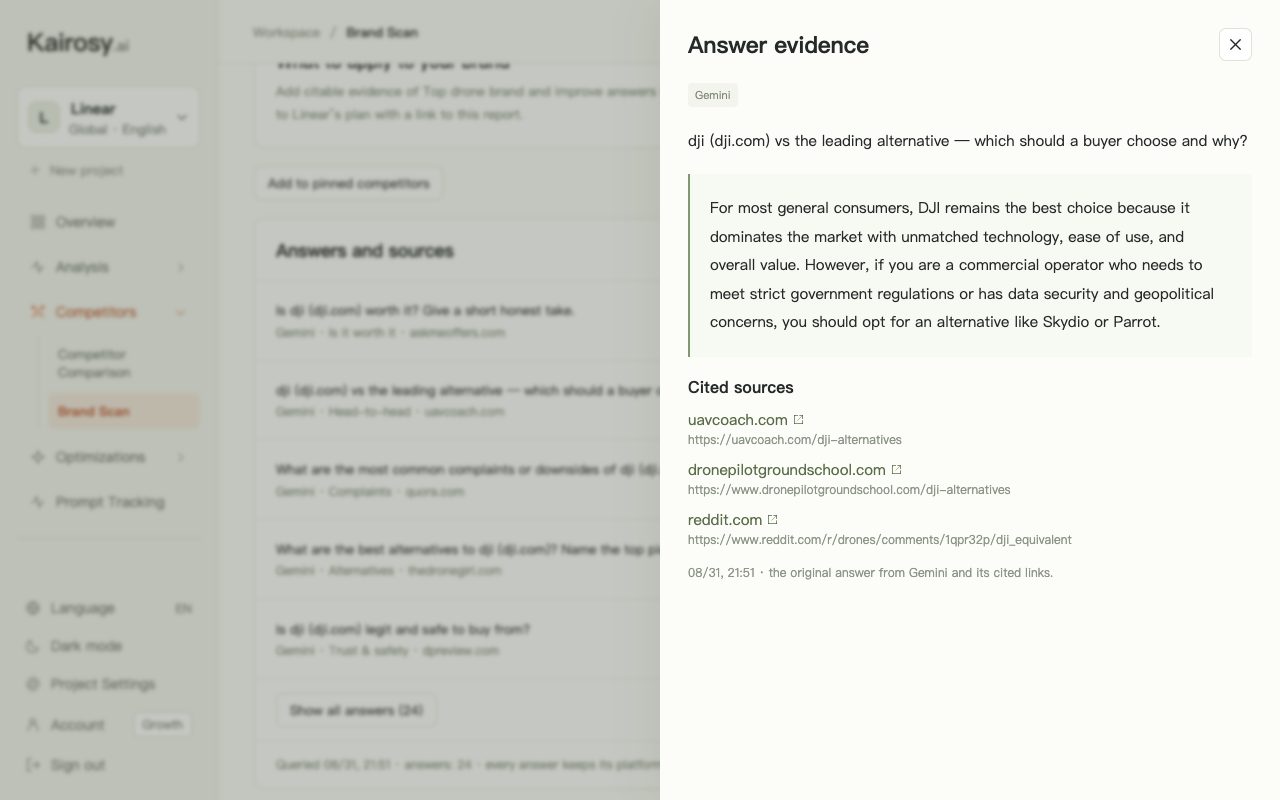
Kairosy (that's us) does not query the AI Mode tab itself — full transparency. It scans four AI assistants — ChatGPT, Gemini, Claude, and Perplexity — with realistic purchase prompts, classifies the sentiment of every answer, and surfaces the verbatim quotes plus the cited sources behind each claim. Because AI Mode runs on a custom Gemini model, Gemini's read on your brand is the closest daily reputation signal available outside the tab; our Gemini brand monitoring page covers that connection in depth, and AI brand monitoring explains the four-assistant approach.
A free scan — 7-day trial, full report — establishes your baseline. Paid plans (Basic $29, Pro $99, Growth $399 per month) add weekly brand monitors with email alerts, daily prompt tracking, market-specific scans across 25 countries, and a Fix Plan that converts each negative finding into a concrete action. Kairosy's scan of ClickUp shows the output format: per-assistant sentiment, exact quotes, and the domains each answer leaned on.
8. Otterly.AI
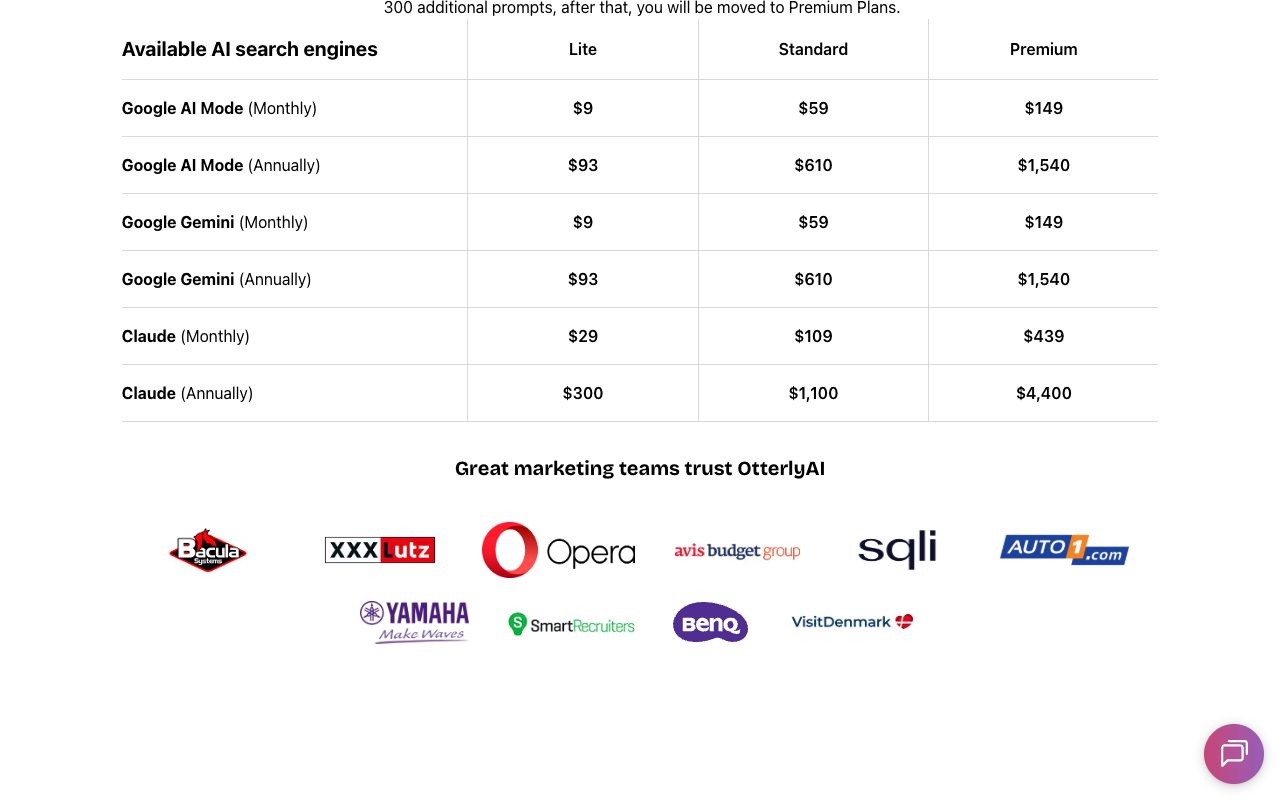
Otterly.AI pairs mention tracking with sentiment analysis and covers ChatGPT, Google AI Overviews, Perplexity, and Microsoft Copilot on its base plans, which run from $29/month (Lite, 15 prompts) through $189 (Standard, 100 prompts) to $489/month (Premium, 400 prompts). Read the fine print, though: Google AI Mode, Gemini, and Claude are paid add-ons on every tier. A 7-day free trial with no credit card makes it a low-risk pilot for sentiment-plus-mentions coverage.
How to Track AI Mode: A Simple Workflow
- Write 15-25 prompts buyers would actually ask. Mix category prompts ("best expense software for freelancers") with brand prompts ("is [your brand] reliable?").
- Run a manual baseline. AI Mode is live in 200+ countries — type each prompt into the tab yourself and screenshot the answers before paying for anything. Ten minutes of this tells you whether you have a visibility problem or a reputation problem.
- Pick a tracker by data type. Choose the category that matches the decision you need to make — visibility for "do we appear," mentions for scale, recommendations for competitive loss analysis, reputation for sentiment — not the tool with the longest feature list.
- Verify crawl access. AI Mode composes answers from Google's index, and assistants fetch pages with their own bots. Run your site through the free AI crawl checker to confirm nothing in robots.txt or your CDN blocks them.
- Review deltas weekly. The value lives in changes: a rival entering answers, sentiment flipping, a new domain being cited. Our guide to tracking brand mentions covers how to turn those deltas into fixes.
AI Mode Tracking Tools FAQs
Is there a free way to track AI Mode?
Manually, yes — the tab itself is free, and screenshots plus a spreadsheet work at small scale. Among paid tools, ZipTie offers a 14-day trial and Otterly.AI a 7-day one, while Kairosy's free monthly scan covers the assistant side of the picture. None of the vendors we verified currently offers a permanently free AI Mode tier.
What is the best AI mode checking tool for a one-off check?
For a single spot check, skip software entirely: open AI Mode, ask your top ten buyer prompts, and record who gets named. If you want a one-off multi-engine read on how AI frames your brand, a free Kairosy scan returns a full sentiment report for 7 days.
Do AI mode trackers cover AI Overviews too?
Often, but never assume it. LLM Pulse and Peec AI track both surfaces on all plans, Profound's free Trial covers AI Overviews but leaves AI Mode to Enterprise, and ZipTie covers only AI Overviews. The two features answer differently, so check the engine list line by line before buying.
Do AI mode trackers work outside the US?
Increasingly, yes. AI Mode added 35+ languages in October 2025, and the tooling followed: ZipTie tracks 28 countries, Peec AI sets countries per project, and Kairosy runs market-specific scans across 25 countries on paid plans. Confirm your target market is supported — country coverage varies more than engine coverage.
Can Search Console replace an AI Mode tracker?
No. Google's documentation confirms AI Mode impressions and clicks are counted inside the overall "Web" search type with no standalone breakdown. You can watch aggregate traffic drift, but you'll never see which prompts, answers, or competing brands were involved — which is the entire question these tools exist to answer.
See what AI says about your brand
Run a free scan across ChatGPT, Gemini, Claude & Perplexity in about 30 seconds.
Run my free scan