Early Detection of Negative AI Brand Sentiment: 4-Step Guide (2026)
Early detection of negative AI brand sentiment means re-asking a fixed set of purchase-stage questions on a schedule, measuring the negative share against a baseline you recorded while nothing was wrong, and acting only when a change repeats or carries a source you can fix. No tool watches every answer a buyer receives; AI answers exist only when someone asks. Kairosy runs your tracked prompts daily, deep-rescans each brand on Monday and sends a weekly change email, so detection here is a process with a lag you can measure, not a pager.
This post is the proactive how-to. The crisis-desk version, with tool comparisons, is in AI reputation monitoring tools for product crises and negative answer changes.
Which Purchase Questions Deserve Early Attention When Negative AI Answers Shift?
Start with the questions a buyer asks in the last ten minutes before paying. Bain reported on February 19, 2025 that "80% of search users rely on AI summaries at least 40% of the time" and that 42% of LLM users "ask for shopping recommendations" (Bain, Goodbye Clicks, Hello AI). A negative turn in one of those answers lands on a decision that is already half made.
Rank your question types by how close they sit to that moment:
- Comparison and alternatives. "Brightwater vs Larkspur", "alternatives to Brightwater". A negative shift here usually means a competitor became the recommendation.
- Complaints and downsides. Engines keep a slot for negatives and refill it from whatever source is loudest this month.
- Trust and safety. "Is Brightwater legit", "is it safe". Rare to move, catastrophic when it does.
- Worth it and unbranded category. Usually stable, and here you drop out of the answer rather than get criticized, so watch them for price claims and lost mentions.
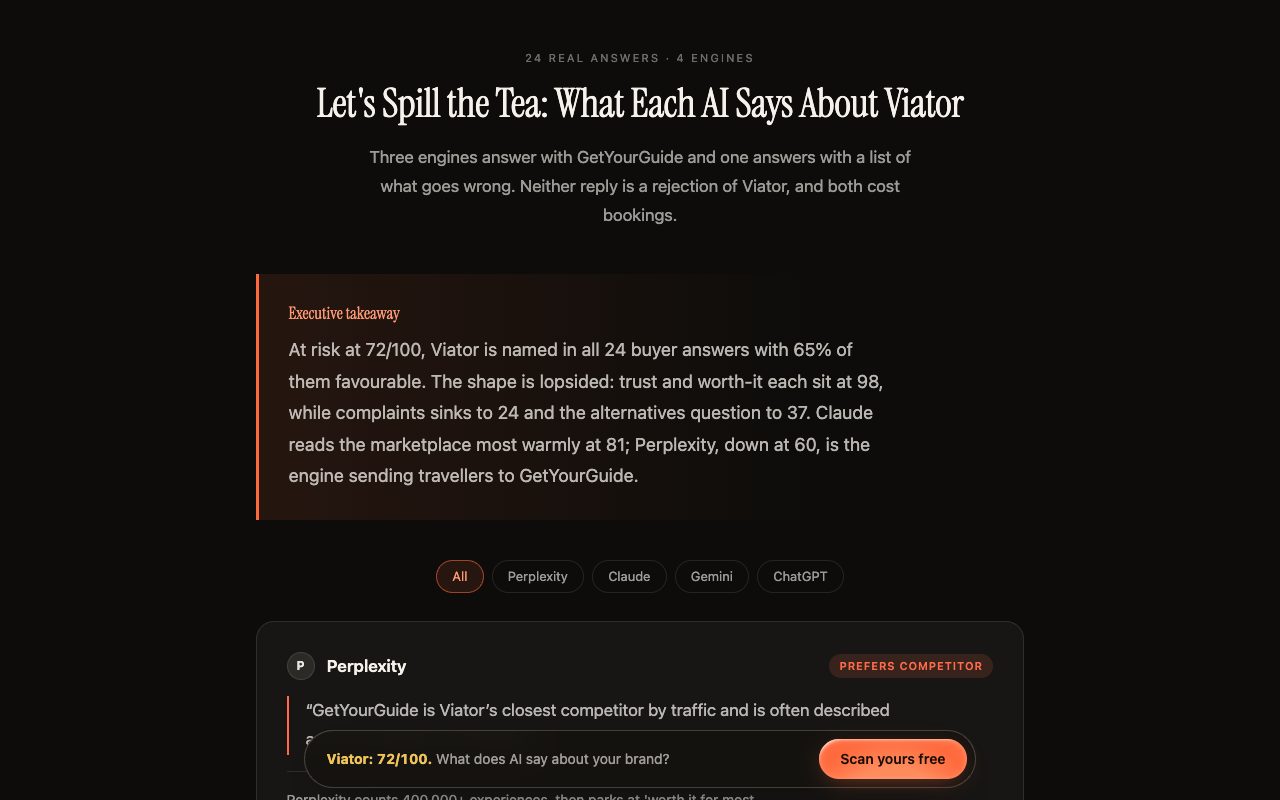
Real scans show the split. Kairosy's public scan of Viator (scanned August 1, 2026) scored trust and worth-it at 98 while complaints sat at 24 and alternatives at 37; Perplexity's head-to-head answer called GetYourGuide "more polished and flexible" (Kairosy's public scan of Viator). Fine on four question types, losing on the two that decide a booking.
How Do You Set Up Early Detection of Negative AI Brand Sentiment? A Four-Step Guide
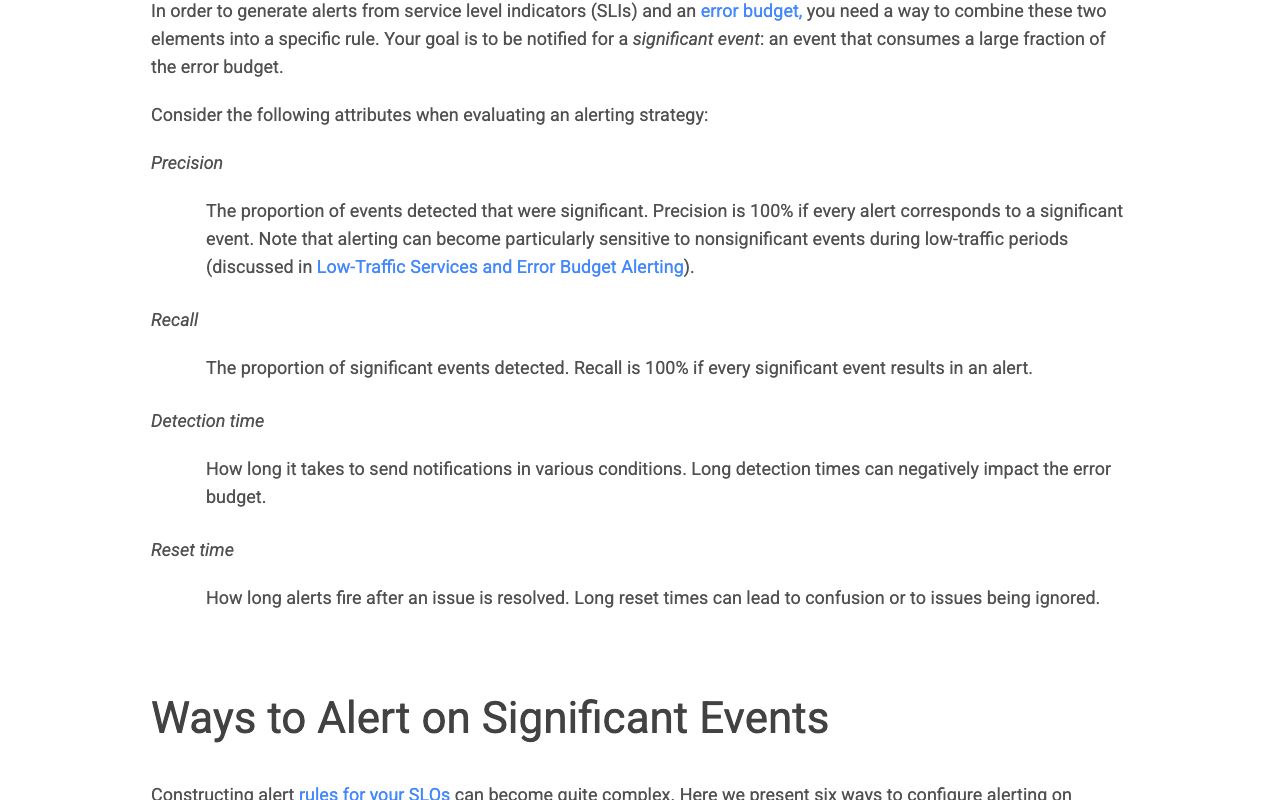
The four steps below are the whole system: a baseline, a vocabulary for what changed, rules for when a change counts, and a re-test. Everything else is tooling.
Step 1: Build the normal baseline and the high-risk question list
Freeze a prompt set per engine and per market, then run it for at least two full cycles before you judge anything. Record, per question type and per engine, the negative share, the themes that appear and the domains the answers cite. That record is the baseline.
Treat the baseline as a range, not a number. SparkToro had 600 volunteers run 12 prompts through ChatGPT, Claude and Google's AI Overviews 2,961 times and found "a <1 in 100 chance that ChatGPT or Google's AI, if asked 100X, will give you the same list of brands in any two responses" (SparkToro, January 28, 2026). Rankings jitter; shares across repeated runs hold still enough to compare.
Then mark the high-risk list: the five to eight questions whose negative turn would change a purchase, usually comparison, complaints and trust in your main market. Those get daily runs. In Kairosy, Prompt Tracking re-runs them daily with a seven-run history per engine, and the Negative Narratives page shows each theme's share this week against last week with the engines carrying it.
Step 2: Sort every change into one of four alert classes
A change you cannot name is one you cannot route. Four classes cover what moves in AI answers, each with its own first check.
- New negative claim. A theme absent from the baseline appears, on any engine. Kairosy's weekly email flags new negative keywords, and the Negative Narratives list shows the theme with its prompt count. First check: read the full answer, not the summary.
- Rising negative share. A baseline theme grows across runs. The Narratives page compares this week with last week at deep-rescan granularity, which is weekly; the daily prompt cards only say mentioned, not mentioned or competitor recommended. First check: one engine or several?
- New cited source. A domain or URL not in the baseline sits behind a negative answer. No Kairosy email covers this class, so put a weekly read of Source Analysis and the receipts table's Source column on someone's calendar. First check: does the URL resolve? The Tow Center found that "more than half of responses from Gemini and Grok 3 cited fabricated or broken URLs" (CJR, March 6, 2025). Run it through the free redirect checker before asking anyone to change it.
- Cross-platform spread. The same theme appears on two or more engines. The Narratives list prints the engines per theme; the weekly email covers one engine flipping. First check: do they cite the same source, or did each find its own?
Step 3: Set the minimum sample, repeat confirmation and severity
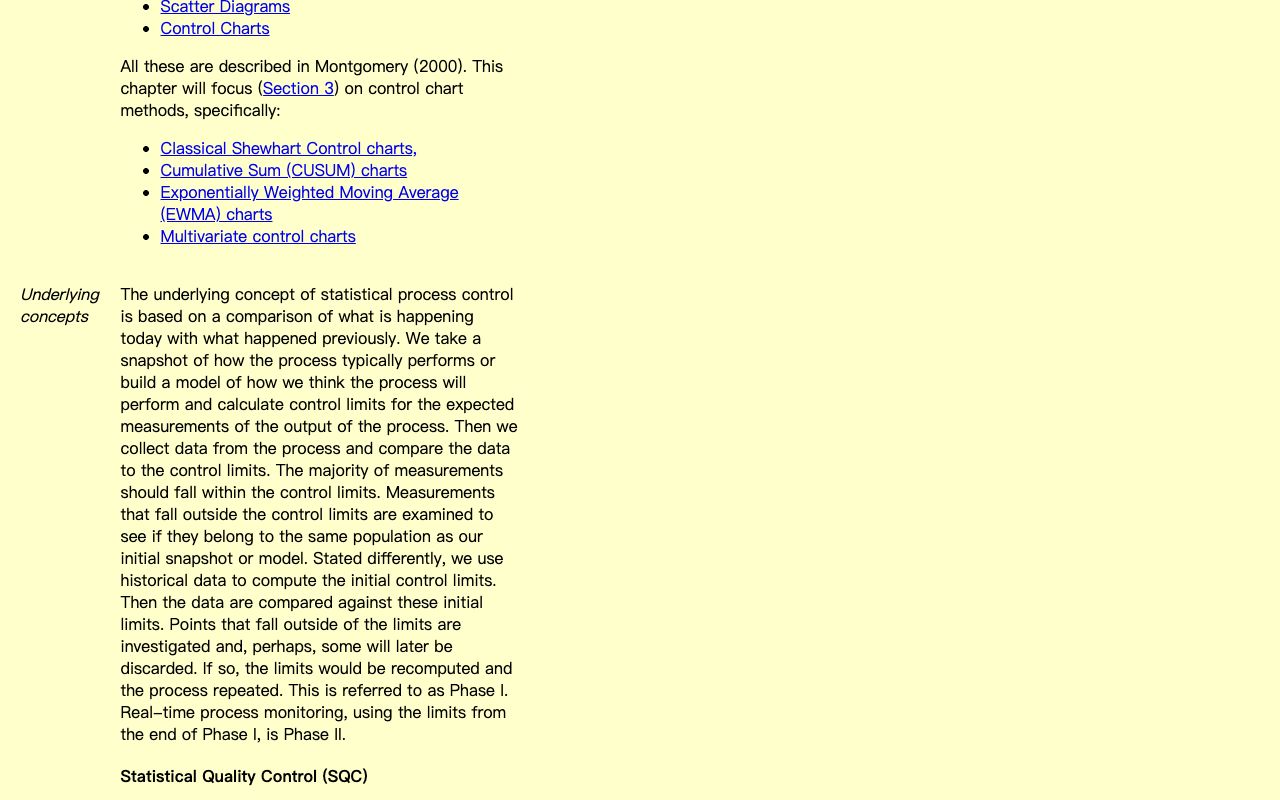
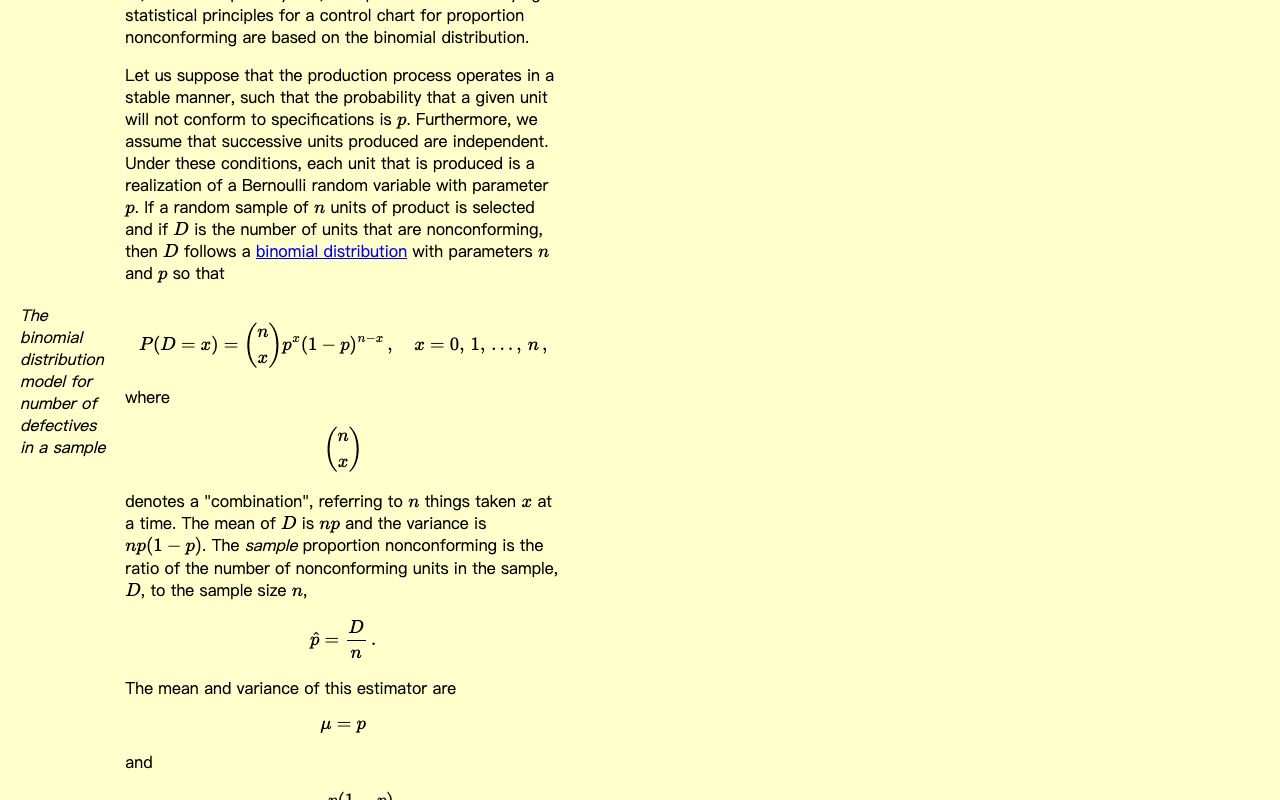
Small samples lie. Take a fictional brand, Brightwater Audio, that runs 6 questions on 4 platforms, 24 answers per deep scan, with a baseline negative share of 10%. The p-chart from the NIST/SEMATECH handbook puts the upper control limit at p + 3√[p(1−p)/n] (NIST e-Handbook 6.3.3.2). With n = 24 that limit is about 28%, or 7 negative answers in a run of 24; pooling four weekly runs, n = 96, pulls it to about 19%. Demo values, computed for this example only; the point is that 2 to 5 negatives in one small run is inside normal variation, and pooling runs is what makes the rule sharp.
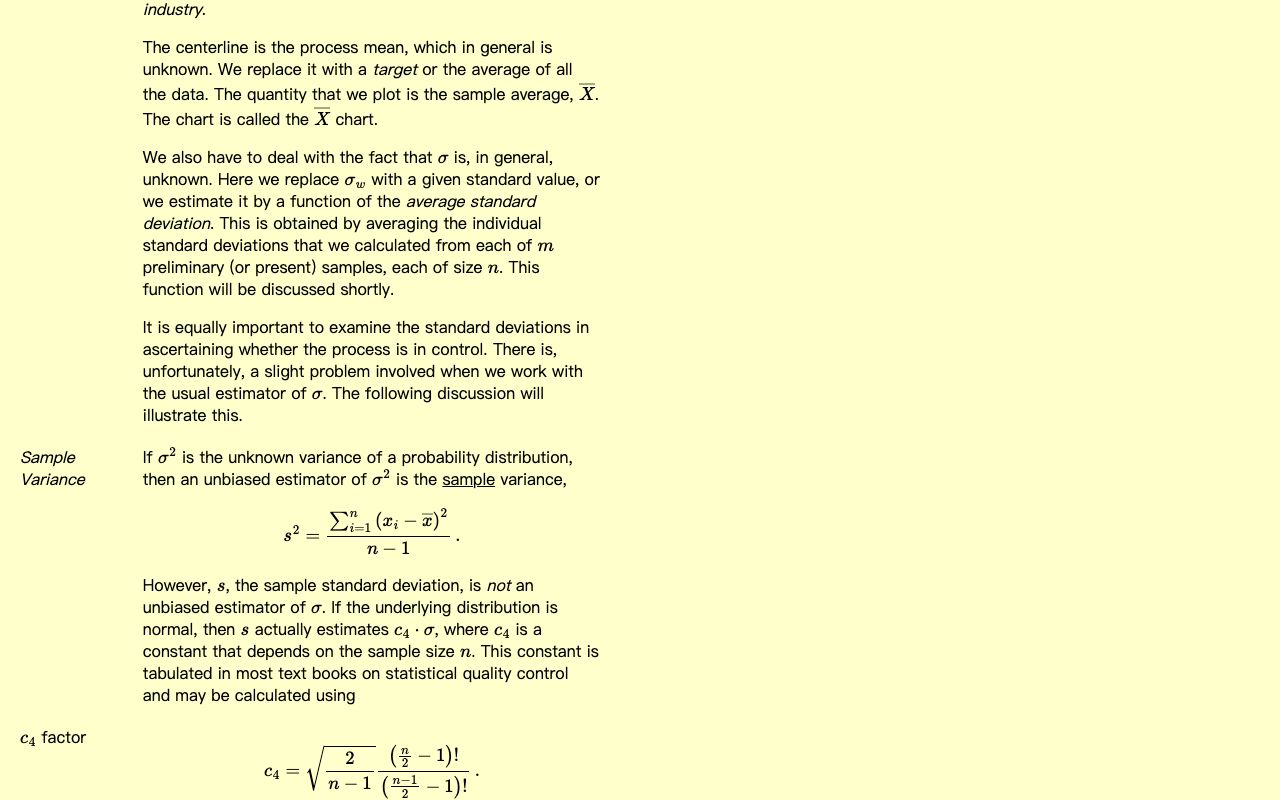
Treat the single-run limit as a floor: with two dozen answers the approximation behind it is rough, so run one rule for a spike and one for drift, nothing more. The Western Electric rules in the same handbook show why. "2 Out of the Last 3 Points Above +2 Sigma" catches drift the 3-sigma rule misses, but the full rule set moves false alarms from about once every 371 points to "about once in every 91.75 points" (NIST e-Handbook 6.3.2). Every added rule buys sensitivity with noise.
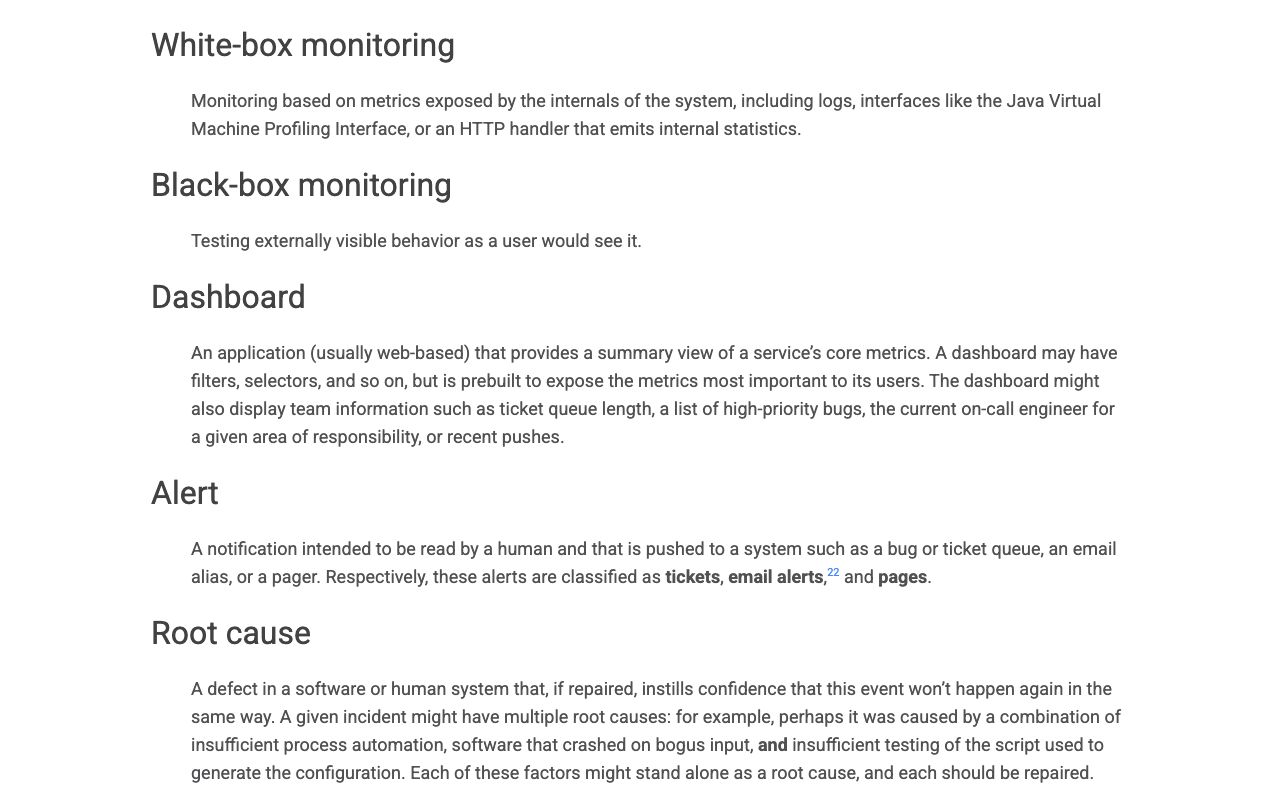
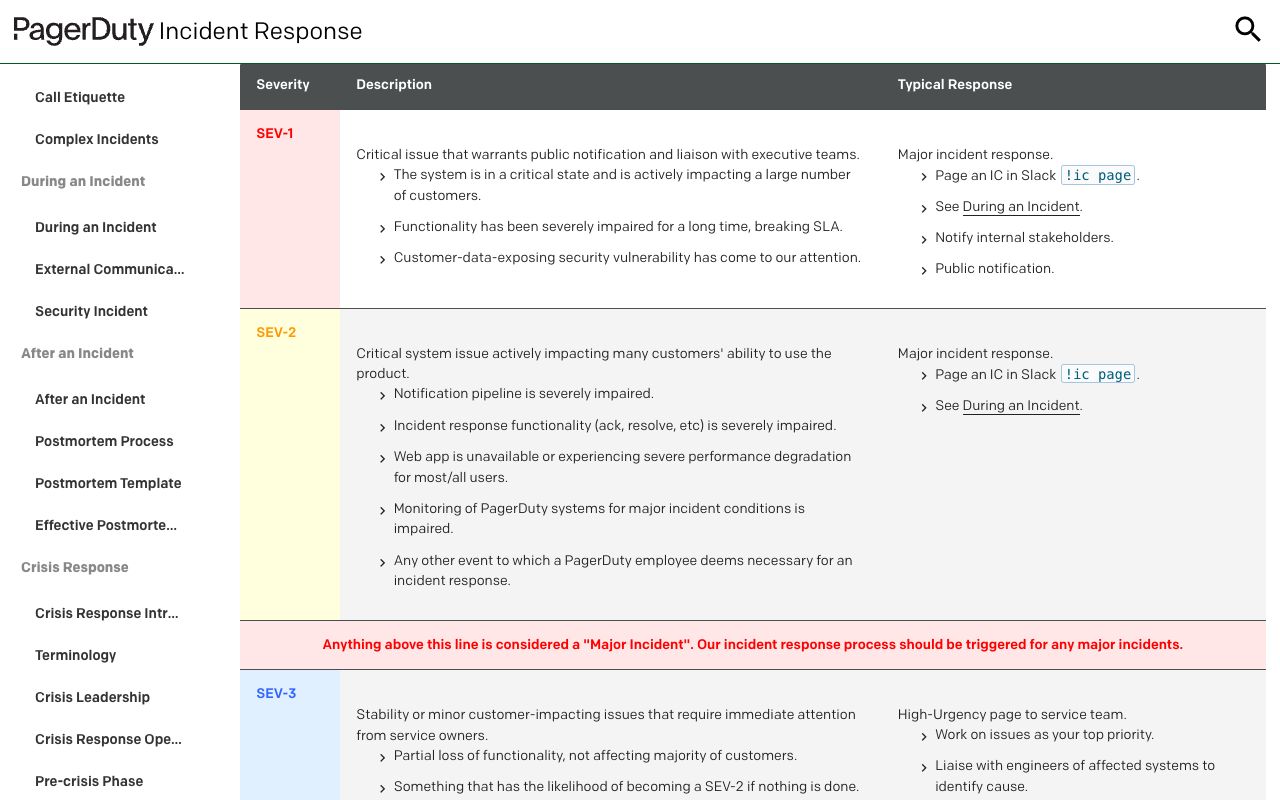
Severity decides who reads it and when. Borrow PagerDuty's ladder, where SEV-1 is a "critical issue that warrants public notification and liaison with executive teams", and its tie-break: "If you are unsure which level an incident is … treat it as the higher one" (PagerDuty incident response docs). Then apply two tests from Google's SRE book: "Every page should be actionable" and "Will I ever be able to ignore this alert, knowing it's benign?" (Monitoring Distributed Systems, SRE book). A class without an owner and a next action is a report line, not a negative AI sentiment alert.
Step 4: Re-test after the fix and measure detection lag
When a source is corrected, re-run the affected questions on the next cycle and keep them in the set for a quarter. Judge per engine: a search-grounded engine citing your corrected page is a different state from a model-only engine still on the old wording. For the corrected page itself, Google's documentation says "there are no additional requirements to appear in AI Overviews or AI Mode", only that the page "must be indexed and eligible to be shown in Google Search with a snippet" (Google Search Central, updated December 10, 2025). Confirm it with the index checker before waiting on anything.
Detection lag has two halves; log both per incident. The first runs from the scan where the claim appeared to the moment a person read it: with the weekly email as your only reader it can reach seven days, with someone opening Prompt Tracking each morning it is about a day. The second runs from your source fix to the first run showing the corrected claim. Nobody publishes a typical value; measure your own per engine, and let the numbers decide whether to buy more frequency.
What Do Three Example Negative AI Sentiment Alert Configurations Look Like?
All thresholds below are demo values for the fictional Brightwater Audio setup above, not industry standards. Write your own from your baseline; early detection of negative AI brand sentiment fails on borrowed numbers.
| Configuration (demo) | Trigger | Confirmation | Severity | False-positive handling |
|---|---|---|---|---|
| A. Normal fluctuation guard | Negative share above 28% in one deep scan, or above 22% in two of the last three | Second rule only; a lone spike with no new theme or source waits for the next run | SEV-3 equivalent | One engine, one run, same sources as baseline: log it, do nothing, re-read next week |
| B. Outdated price claim | Any answer states a price, plan or fee that does not match the current pricing page | None needed; one answer is enough because the error is checkable today | SEV-3, SEV-2 if on a comparison question | The engine quotes an older page or a third-party review: stale, not false. Fix the cited page, redirect retired pricing URLs, re-test |
| C. New product safety allegation | A safety term (overheating, recall, injury, data breach) absent from baseline appears on a trust or complaints question, on even one engine | Do not wait for a repeat; verify the cited source the same day | SEV-1 until proven otherwise | A similarly named brand, a counterfeit or a different product line: confirm the entity in the full answer, publish a dated facts page, re-test |
Configuration B is the common case. Kairosy's public scan of Kit (scanned August 5, 2026) shows ChatGPT answering the complaints question with "sharp price increases, automatic tier upgrades, and cancellation/renewal rules that are easy to miss" (Kairosy's public scan of Kit). Whether that reflects current plans or a page from two pricing changes ago is the first thing to establish, because a stale claim and a true one get different responses.
How Should You Triage Negative AI Sentiment Alerts? Pro Tip: Purchase Stage, Factual Error, Blast Radius
When three negative AI sentiment alerts arrive in the same week, score each on three axes from 1 to 3 and work the highest total first.
- Purchase stage. Comparison, alternatives and trust questions score 3, complaints 2, category and worth-it 1.
- Factual error. A false or outdated claim scores 3 because a correction can fix it. A true but unflattering claim scores 1: it needs product or policy work, and a correction request will fail. The procedure for the fixable kind is in how to fix negative AI mentions.
- Blast radius. Count engines × markets × questions carrying the claim. One engine in one market scores 1; three engines or two markets score 3.
Break ties toward factual error. A wrong claim on one engine is a week of work; a true complaint on three engines is a roadmap item, and pretending otherwise burns the credibility of every later alert. The full workflow sits under AI reputation management.
Can Brands Detect Negative AI Sentiment Before It Affects Purchase Decisions?
Asked plainly, "can brands detect negative AI sentiment before affecting purchase decisions" has an honest, partial answer: before many purchases, never before all of them. An answer is generated when a buyer asks, and a buyer can ask minutes after a Reddit thread or a review page changes. Your next scheduled run comes later, and the person reading it comes later still.
What AI reputation risk monitoring can do is shrink three things: the detection lag, by running the high-risk list daily; the window of harm, by fixing sources fast once a claim is confirmed; and the number of incidents, by keeping the pages engines already cite accurate. Kairosy's part is daily prompt runs, the Monday deep rescan and a weekly email flagging score drops, a competitor being preferred, an engine flipping and new negative keywords. It has no real-time alerts, which is why the four steps above matter more than the tool. The setup is on AI brand monitoring, the measurement background in what is AI brand sentiment.
Early Detection of Negative AI Brand Sentiment FAQs
How many runs make a usable baseline?
Two full deep-scan cycles plus a couple of weeks of daily tracked prompts for the high-risk list. Fewer and you cannot tell a shift from the run-to-run jitter SparkToro measured.
Is one negative answer an alert?
Only in configuration C, where the claim is checkable the same day and the downside of waiting is large. For share-based alerts, one answer in a run of 24 is noise; wait for the repeat rule.
What is the difference between a new negative claim and a rising negative share?
A new claim is a theme that was not in your baseline at all; a rising share is a known theme taking more of the answers. The first needs a source hunt, the second a trend read across engines before anyone acts.
Do I need daily runs for every question?
No. Daily runs belong to the five to eight high-risk questions; the rest can live on the weekly deep rescan. Spend frequency where a negative turn changes a purchase.
How fast do Kairosy's negative AI sentiment alerts arrive?
Weekly, by email, and never in real time. Tracked prompts run daily, each brand is deep-rescanned on Monday, and the weekly email summarizes score drops, competitor preference, engine flips and new negative keywords. Reading Prompt Tracking each morning is how you get the lag down to a day.
Who should own the alert when it fires?
One named person per class: new claims and new sources go to whoever can edit or request edits on pages, rising share and spread to whoever owns the product narrative. Early detection of negative AI brand sentiment only pays when someone acts on the first signal.
See what AI says about your brand
Run a free scan across ChatGPT, Gemini, Claude & Perplexity in about 30 seconds.
Run my free scan