Ecommerce ChatGPT Optimizations: 6 Methods That Work in 2026
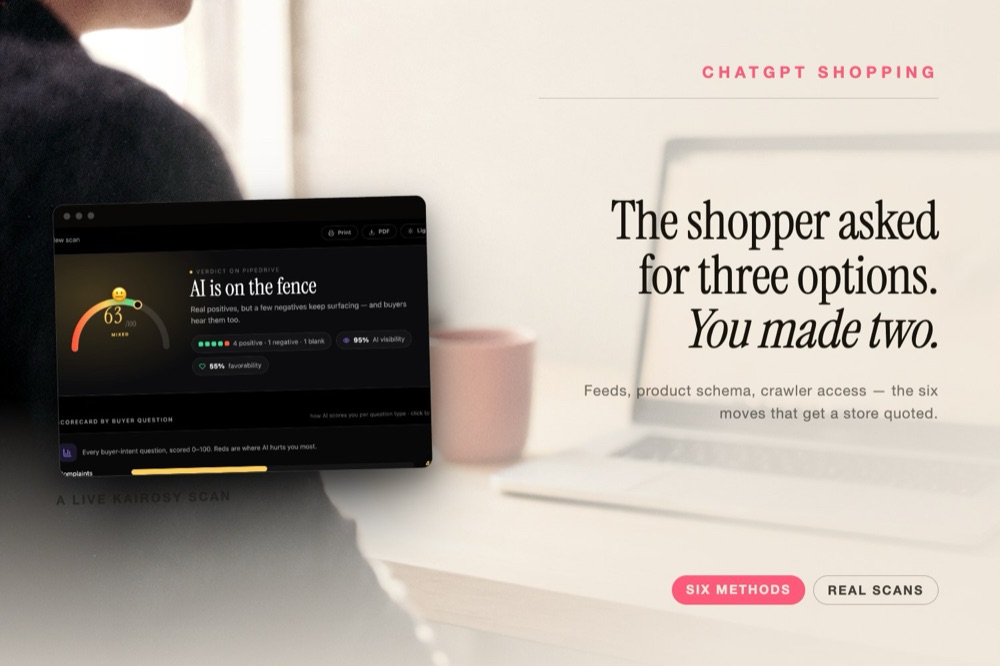
ChatGPT is now a real acquisition channel for online stores, and the numbers back it up: per Adobe Analytics data covered by Digital Commerce 360 in June 2026, AI-referred traffic to U.S. retail sites grew 138% year over year in May 2026, is up 1,324% since October 2024, and converts 54% better than non-AI traffic. The good news is that ecommerce ChatGPT optimizations are concrete, checkable work — not vibes.
This guide covers the six methods that actually move the needle in 2026: product feeds, Product schema, crawler access, buyer-question product pages, third-party proof, and measurement. Each one maps to something OpenAI has publicly documented, with dates, so you know you are optimizing for the feature set that exists today — not the one from a year-old blog post.
What Is ChatGPT Shopping in 2026?
ChatGPT Shopping is the set of product-discovery surfaces inside ChatGPT: product cards in search answers, the dedicated shopping research mode, and merchant catalogs ingested through product feeds. OpenAI's own help documentation is explicit that these results are organic — product listings are generated from merchant and product metadata, not paid placement.
The feature set has changed fast, so here is the verifiable timeline as of August 2026:
| Surface | Launched | Status in August 2026 | What feeds it |
|---|---|---|---|
| Shopping results in ChatGPT search | April 2025 | Live | Merchant and product metadata from feeds and third-party providers |
| Instant Checkout (in-chat purchase) | September 29, 2025 | First version wound down March 2026; shoppers now complete purchases on merchant sites and apps | Agentic Commerce Protocol |
| Shopping research (buyer's guides) | November 24, 2025 | Live for logged-in users | Product feeds plus retailer pages and reviews across the web |
| Direct product feeds / ACP discovery | Spec published November 2025, expanded March 2026 | Live, application-based | Structured catalog data you submit |
Two dates matter most. On November 24, 2025, OpenAI launched shopping research, which builds personalized buyer's guides, and pointed merchants to its new product feed documentation (CNBC, November 24, 2025). Then in March 2026, OpenAI retired the first version of Instant Checkout and refocused on discovery: merchants keep their own checkout, and retailers such as Target, Sephora, Nordstrom, Lowe's, Best Buy, The Home Depot, and Wayfair integrated with the Agentic Commerce Protocol for catalog representation (CNBC, March 24, 2026; Search Engine Land).

The practical takeaway: stop optimizing for in-chat checkout and start optimizing for being the product ChatGPT surfaces. Discovery happens in the chat; the sale happens on your store.
How Does ChatGPT Pick the Products It Recommends?
Per OpenAI's help center, ChatGPT generates its product lists from merchant and product metadata supplied by third-party providers or by merchants directly, and ranks merchants on factors like availability, price, quality, and whether they are the maker or primary seller of the item. Shopping research answers additionally pull from retailer pages and reviews across the open web.
That means ChatGPT ecommerce SEO runs on two parallel tracks:
- The structured track — your product feed, your platform's catalog integration, and the schema markup on your product pages. This controls whether your prices, stock, and variants show up correctly.
- The reputation track — what reviews, editorial roundups, forums, and comparison articles say about your brand. This controls whether the model picks you when a shopper asks "what's the best…" instead of naming your competitor.
Most stores work only the first track. The brands that win recommendations work both, which is why the methods below alternate between data plumbing and reputation building.
How to Do Ecommerce ChatGPT Optimizations: 6 Methods That Work
These ecommerce ChatGPT optimizations are ordered by leverage: do the first two before anything else, because every other method builds on clean product data.
1. Get your catalog into OpenAI's product feed pipeline
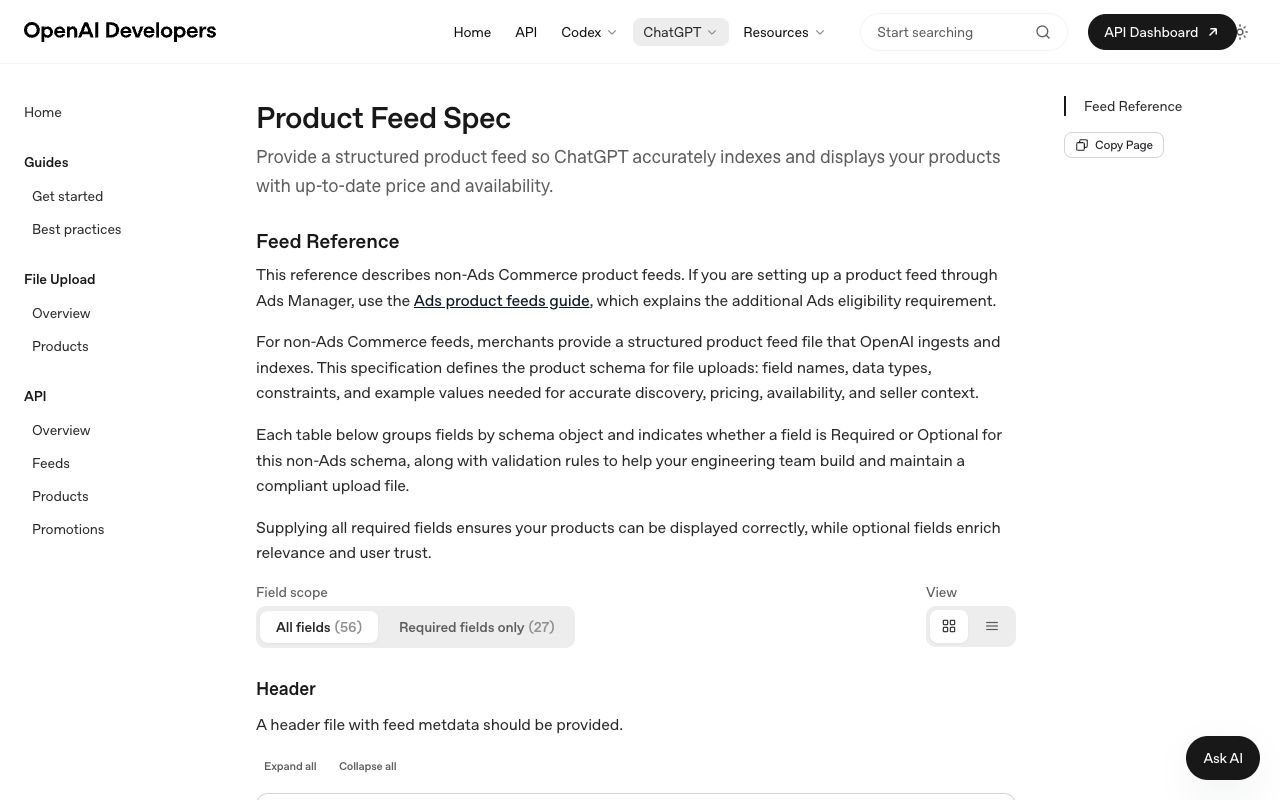
OpenAI publishes a product feed specification covering the catalog data ChatGPT ingests: product id, title, description, link, price, availability, GTIN, brand, media, seller details, and shipping information. The open Agentic Commerce Protocol version of the feed spec accepts TSV, CSV, XML, or JSON, pushed over HTTPS, with updates accepted as often as every 15 minutes — fresh pricing and stock are part of the ranking inputs, so a stale feed quietly costs you placement.
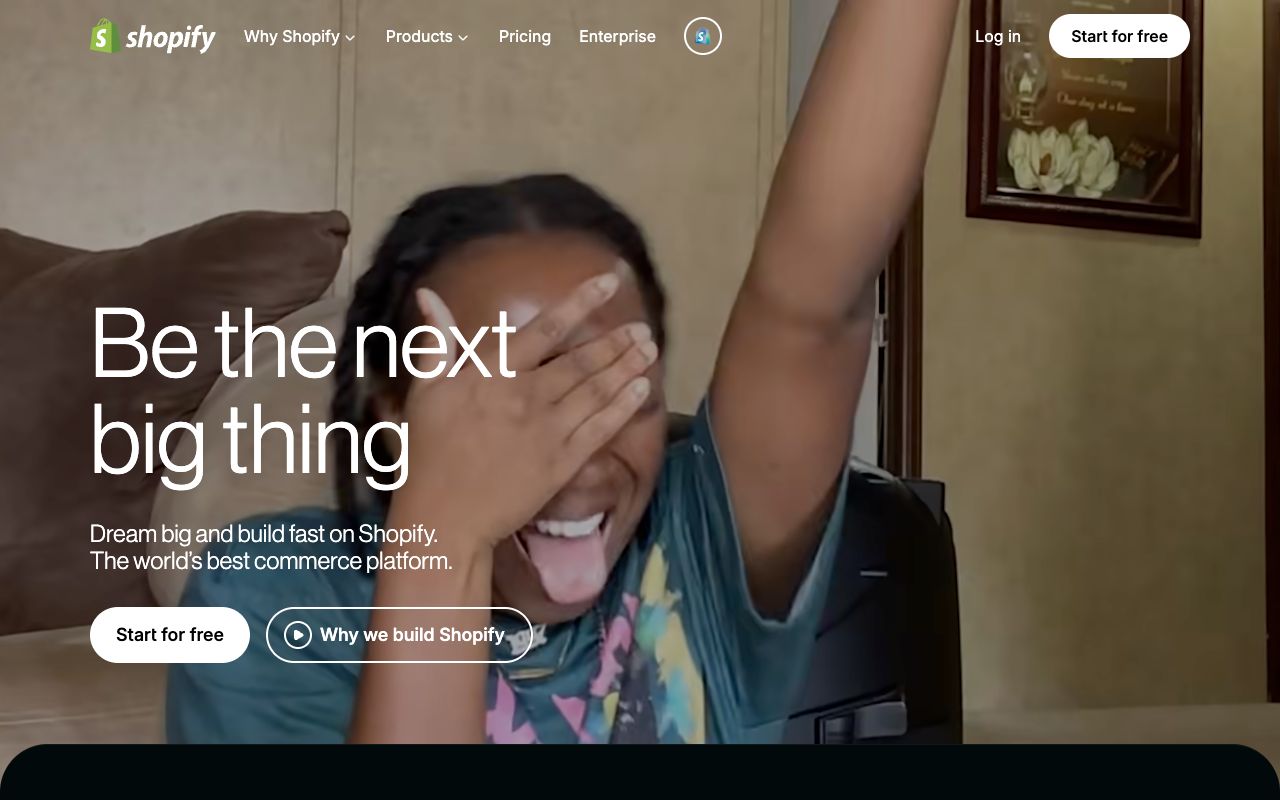
If you sell on Shopify, most of this is already done: OpenAI's help center confirms Shopify product data flows into ChatGPT through Shopify Catalog. Your job shrinks to hygiene — accurate titles, complete variant data, honest availability. Everyone else should read the developer docs and apply for direct feed access; it is application-based, not open submission.
2. Ship complete Product schema on every product page
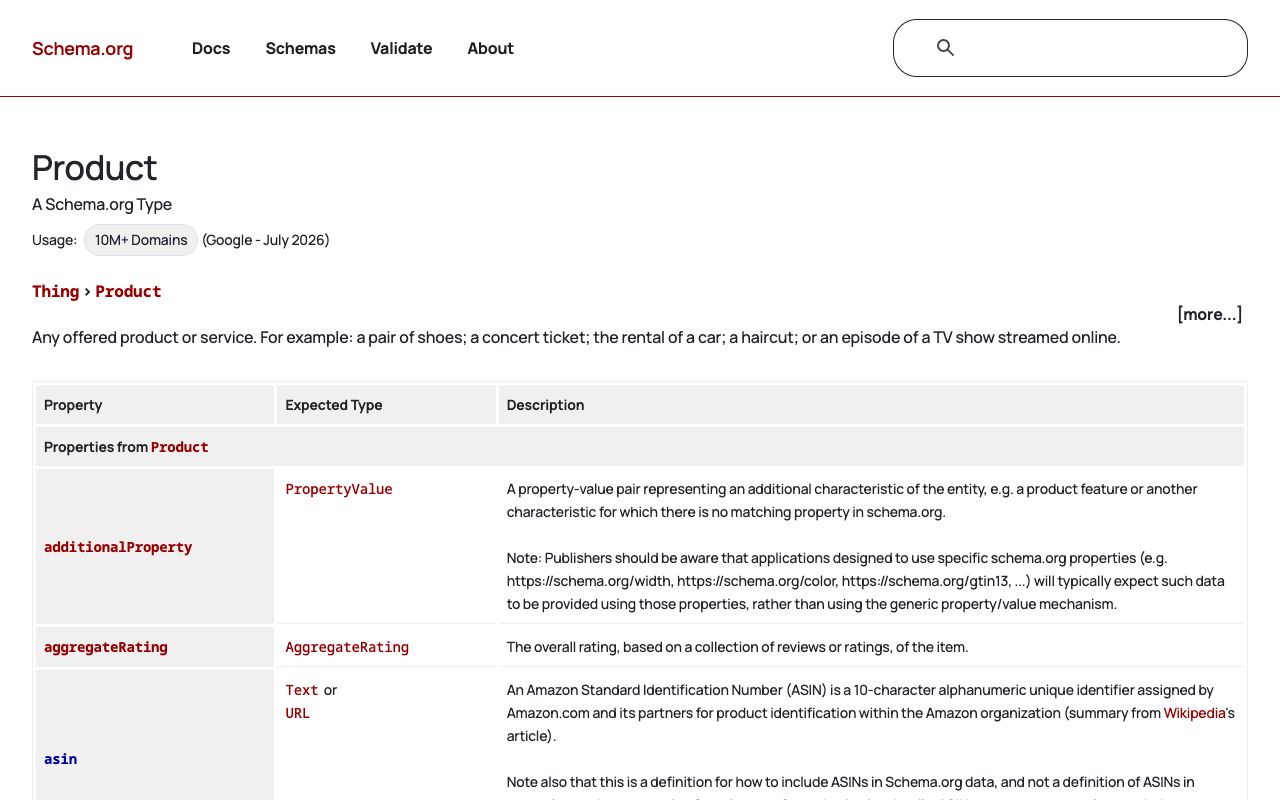
Where no feed exists, structured data on the page is the machine-readable fallback — and it also powers the retailer-page reading that shopping research does. Mark up every product page with schema.org/Product: name, description, brand, GTIN or MPN, offers with price and currency, availability, and aggregateRating if you have reviews. Keep the markup in sync with the visible page; mismatched prices are exactly the kind of inconsistency that gets a listing skipped.
Audit your top 20 product pages first rather than boiling the catalog. Kairosy's free schema markup checker validates what's actually in your rendered HTML, which catches the classic failure where your theme outputs Product schema on templates but drops it on variants.
3. Let OpenAI's crawlers in — and give them a map
OpenAI documents its crawlers at platform.openai.com/docs/bots: OAI-SearchBot powers search and shopping surfaces, and ChatGPT-User fetches pages on demand when a user's question triggers browsing. Blocking them in robots.txt while expecting ChatGPT recommendations is the most common self-inflicted wound in this space — check your robots file and your CDN's bot rules with an AI crawl checker before assuming a content problem.
Then add an llms.txt file: a plain-text index at your domain root that points AI systems to your most important pages — bestsellers, category pages, shipping and returns policies. It is an emerging convention rather than a ranking guarantee, but it costs ten minutes with a free llms.txt generator and removes ambiguity about which pages represent your store.
4. Rewrite product pages to answer buyer questions
Shoppers don't type keywords into ChatGPT — they describe situations: "quiet fire pit for a small patio," "sheets that stay cool for hot sleepers." Your product page needs to contain those answers as crawlable text. Put the spec table in HTML instead of an image, name the use cases the product genuinely fits, state what it does not do, and answer sizing, care, shipping, and returns questions on the page itself.
Comparison content belongs here too. When a model answers "X vs Y," it reconstructs the comparison from whatever pages exist — if the only detailed comparison was written by your competitor, you lose by default. An honest "us vs. the alternative" page gives engines material where you at least frame the trade-offs.
5. Build the third-party record ChatGPT reads
OpenAI's shopping documentation is open about using reviews and web sources beyond your own site. That third-party record is where most DTC brands leak. Kairosy's scan of Brooklinen shows the pattern sharply: the brand scores 98 out of 100 when engines answer "is it worth it" questions, then collapses to the mid-20s on complaints, head-to-head, and alternatives questions — the exact moments when Parachute and Quince get named instead. Same brand, same engines, entirely different outcome depending on which third-party material the model leans on.
The fixes are unglamorous and effective. Keep review volume flowing on your own PDPs and on independent platforms. Pitch the editorial roundups ("best washable rugs," "best cooling sheets") that models quote constantly. Answer the recurring complaint threads on Reddit with real fixes rather than PR — models read those threads verbatim.
6. Measure your ChatGPT visibility before and after
None of the above is worth doing blind. Before you touch anything, record how ChatGPT answers ten real buyer questions about your category — we walk through the full manual protocol in how to check if ChatGPT recommends your brand. Then re-run the same questions after each change ships.
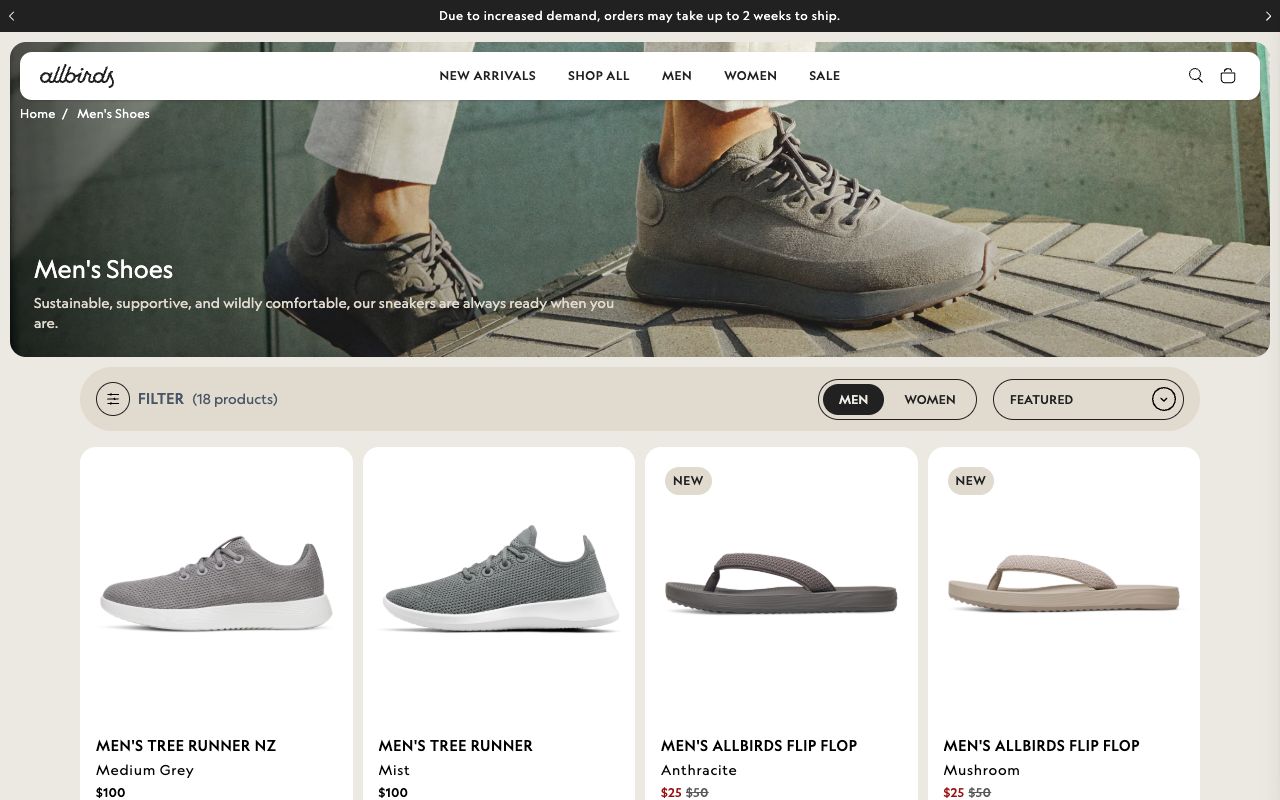
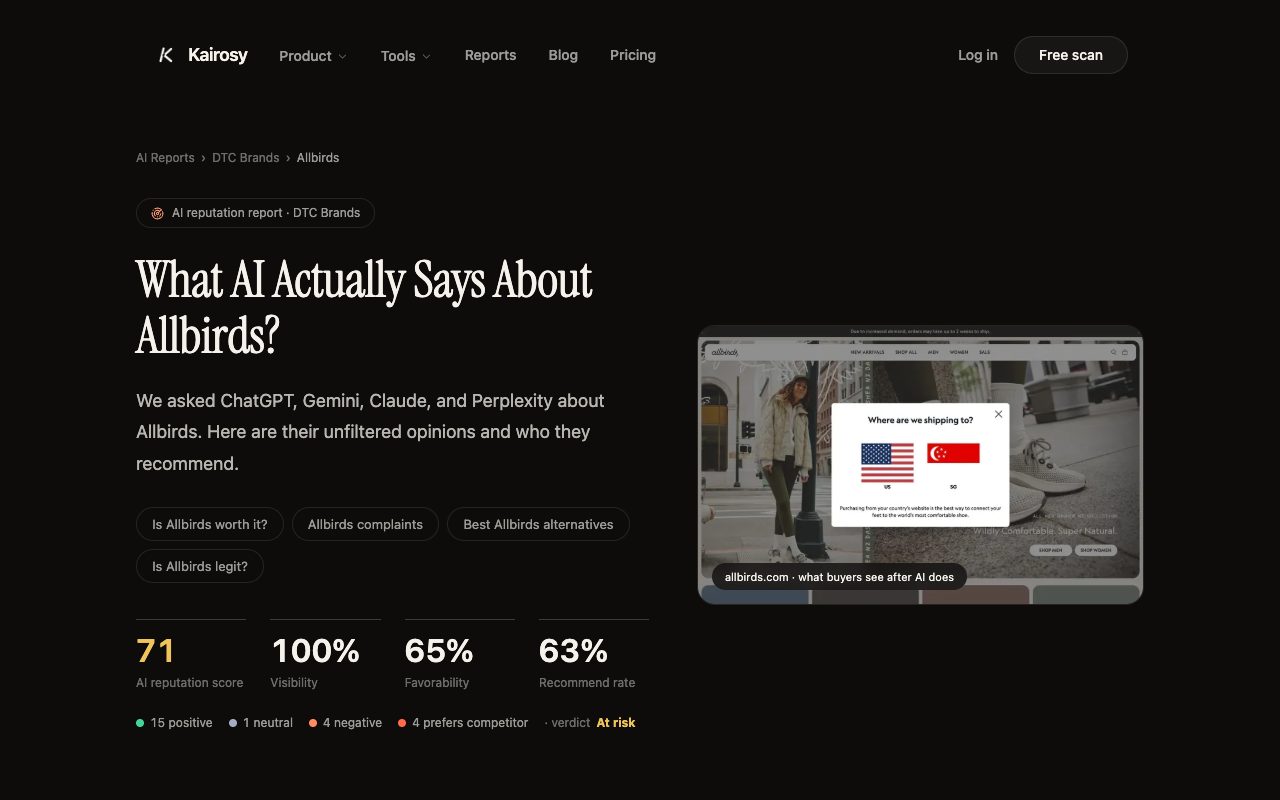
Visibility alone can mislead you, which is why sentiment matters. Kairosy's scan of Allbirds found the brand present in 100% of relevant answers, yet only 63% of those answers actually recommended it — and the score swings from 59 on Perplexity to 81 on Gemini, with Rothy's, Cariuma, and Baabuk collecting the alternatives queries. Showing up is not the same as being chosen, and per-engine gaps tell you where to aim.
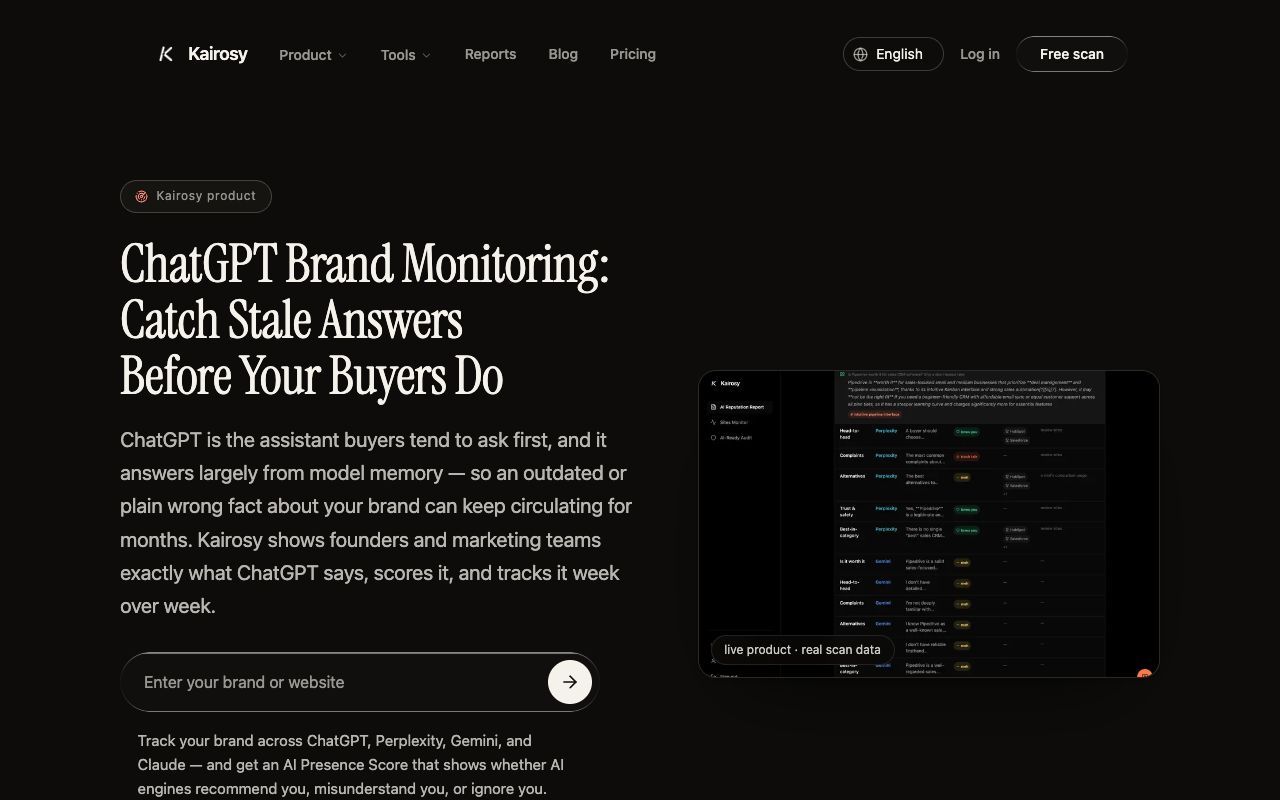
A ChatGPT brand monitoring setup automates that loop: scheduled rescans of buyer questions, sentiment scoring per answer, the citation sources behind each response, and an alert when an engine starts recommending a competitor. Kairosy's free 7-day trial includes full scans, which is enough to establish a baseline before you commit to weekly tracking.
Which Tips for Preparing Your Online Store for ChatGPT Shopping Matter Most?
If you only skim one section, make it this one. The highest-value tips for preparing your online store for ChatGPT shopping, in priority order:
- Feed before content. A clean catalog feed (or Shopify Catalog hygiene) beats a month of copywriting, because it fixes what every shopping surface reads first.
- Keep price and stock consistent everywhere. Feed, schema, and visible page must agree. Freshness and availability are documented ranking factors.
- Verify crawler access quarterly. CDN and bot-protection updates silently re-block AI crawlers; make the check a recurring task.
- Write for the question, not the keyword. Every PDP should answer who it's for, what it's not for, and how it compares.
- Treat reviews as infrastructure. Steady third-party review volume moves the recommendation track no ad budget can touch.
- Localize if you sell internationally. ChatGPT answers differently by country. Kairosy's market-specific scans cover 25 countries, so a store shipping to Germany and Japan can see each market's answers instead of assuming the U.S. picture applies.
- Re-measure on a schedule. Model behavior shifts without announcements; monthly baselines catch regressions while they're cheap to fix.
These same tips for AI e-commerce optimization carry over to Gemini, Claude, and Perplexity — the feed plumbing is OpenAI-specific, but schema, crawlability, buyer-question content, and third-party proof feed every engine at once.
Ecommerce ChatGPT Optimizations FAQs
Is ChatGPT ecommerce SEO different from traditional SEO?
It overlaps but is not identical. Traditional SEO earns you a ranked link; ChatGPT ecommerce SEO earns you a mention or recommendation inside a generated answer. Crawlability, structured data, and authoritative coverage help both. The differences: product feeds matter directly, conversational answer coverage on the page matters more, and third-party sentiment can override your on-site messaging entirely.
Which ecommerce ChatGPT optimizations should a small store do first?
Three in order: confirm OpenAI's crawlers aren't blocked, get Product schema valid on your top sellers, and record a baseline of how ChatGPT currently answers your ten most important buyer questions. All three cost time, not money, and can be done in a week.
Do I need to be on Shopify for ChatGPT to recommend my products?
No. Shopify's Catalog integration is the lowest-friction path into ChatGPT's product data, but OpenAI's developer documentation offers direct feed access by application, and ChatGPT also reads well-structured product pages and third-party sources. Non-Shopify stores compete fine — they just have to do the feed work themselves.
Can I pay to appear in ChatGPT shopping results?
Not in the organic results. OpenAI's help center states shopping results are generated from product metadata and are not sponsored. OpenAI has been building a separate ads product, but the discovery surfaces this guide optimizes for rank on relevance, availability, price, and quality signals — not spend.
How long until ecommerce ChatGPT optimizations show results?
Feed and schema fixes can surface within days to weeks because they refresh continuously — the ACP spec accepts updates every 15 minutes. Reputation-track work is slower: new reviews, roundup placements, and comparison pages typically take one to three months to change how engines answer. That lag is exactly why you baseline first and monitor monthly.
See what AI says about your brand
Run a free scan across ChatGPT, Gemini, Claude & Perplexity in about 30 seconds.
Run my free scan