Global SEO Analytics in 2026: Track SEO Across Every Market
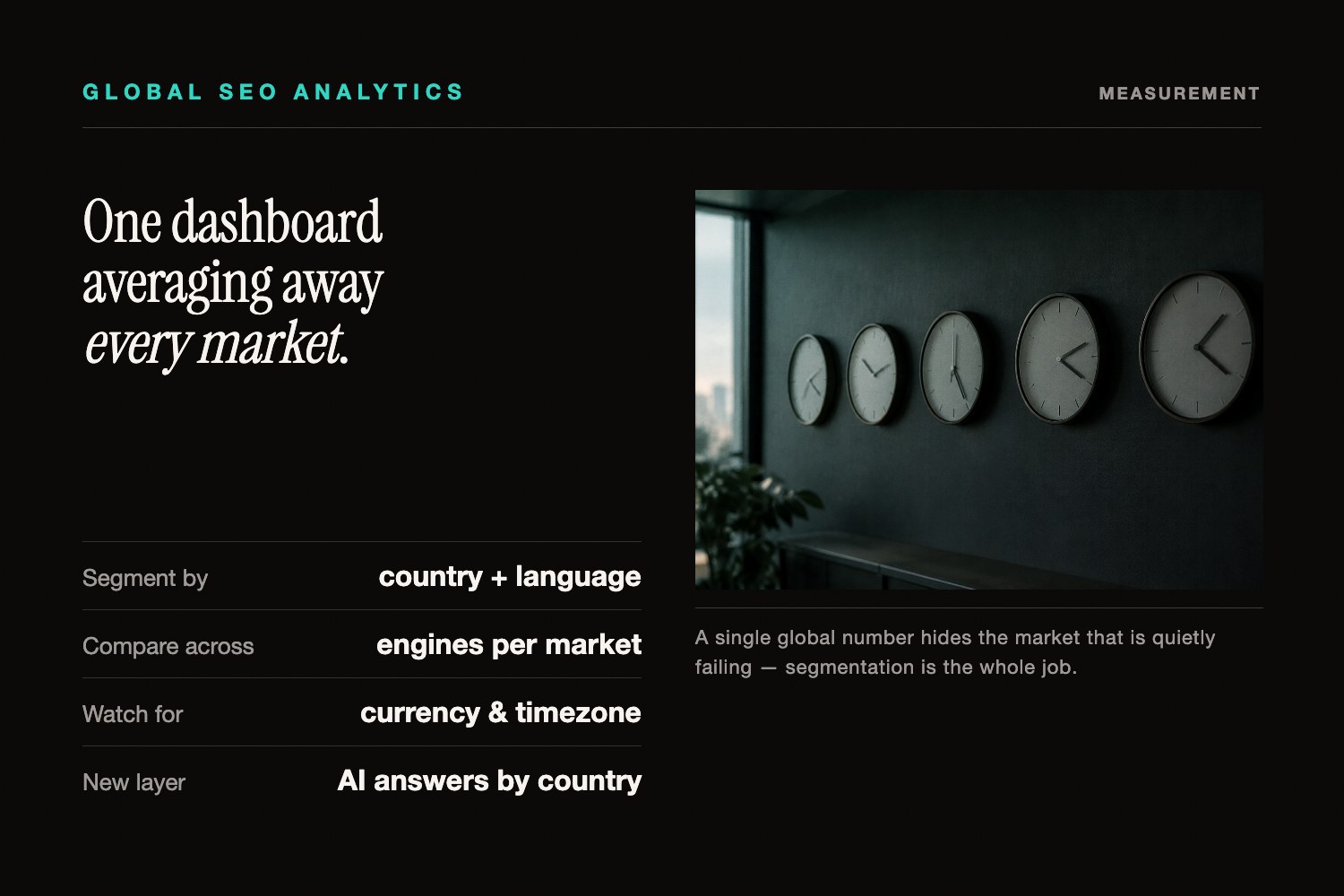
Global SEO analytics means measuring organic performance one market at a time — country, language, search engine, device — and only rolling the numbers up afterward. A single worldwide report averages a number three ranking in Germany with a number forty in Brazil into a figure that describes neither market.
This guide covers the measurement side: segmenting GA4 and Search Console by country and language, picking engines per market, budgeting a tracker that charges per location and device, and dodging the currency, timezone and thresholding traps that corrupt cross-border reports. For the strategy layer — ccTLD versus subfolder, hreflang, consent rules — start with our European SEO guide.
What Is Global SEO Analytics, and What Does It Actually Measure?
Global SEO analytics is the reporting layer of an international search program. For every market you sell in, it answers four separate questions:
- Demand — what people in that country search for, in the language they type
- Position — where you rank on the engines that market actually uses
- Traffic — sessions and engaged sessions attributable to that country
- Outcome — conversions and revenue expressed in one comparable currency
Those questions multiply along four axes: market, content language, engine and device. Fifteen countries in five languages on two devices is not fifteen reports — it is a data model, and teams that skip the modeling step have dashboards nobody trusts by quarter two.
Two clarifications. This is not your international strategy, which decides where to launch and how to structure URLs before any measurement happens. And it is not a worldwide rollup with a country filter bolted on: market has to be a first-class dimension in every table you build.
Why Does One Worldwide Report Hide Your Real Performance?
Because averages destroy the signal you want. Google's documentation on the Search Console Performance report explains that in charts, average position reflects "the average position of the topmost result from your entire site," while table rows show the average for that specific dimension value. Blend twelve countries into one chart and a collapse in your third-largest market disappears under growth in your first.
The engine assumption breaks the same way. Statcounter Global Stats put Google at 91.31% of worldwide search in July 2026, with Bing at 4.47% and Baidu at 0.5% — numbers that make a Google-only setup look rational. Look at individual countries and it inverts: in the same month, Baidu held 50.83% in China and Yandex held 72.85% in the Russian Federation.
Revenue is the third failure. If your storefronts price in euros, yen and reais, summing raw transaction values measures nothing. Google's ecommerce documentation is explicit that when you set value on an event, currency is "required for revenue metrics to be computed accurately."
How Do You Segment GA4 and Search Console by Country and Language?
GA4 ships the geography dimensions out of the box. Its dimension reference lists Country and Country ID (ISO 3166), Region and Region ID (formatted like US-NY), City, Continent and Subcontinent (UN M49 codes), plus Language and Language code (ISO 639).
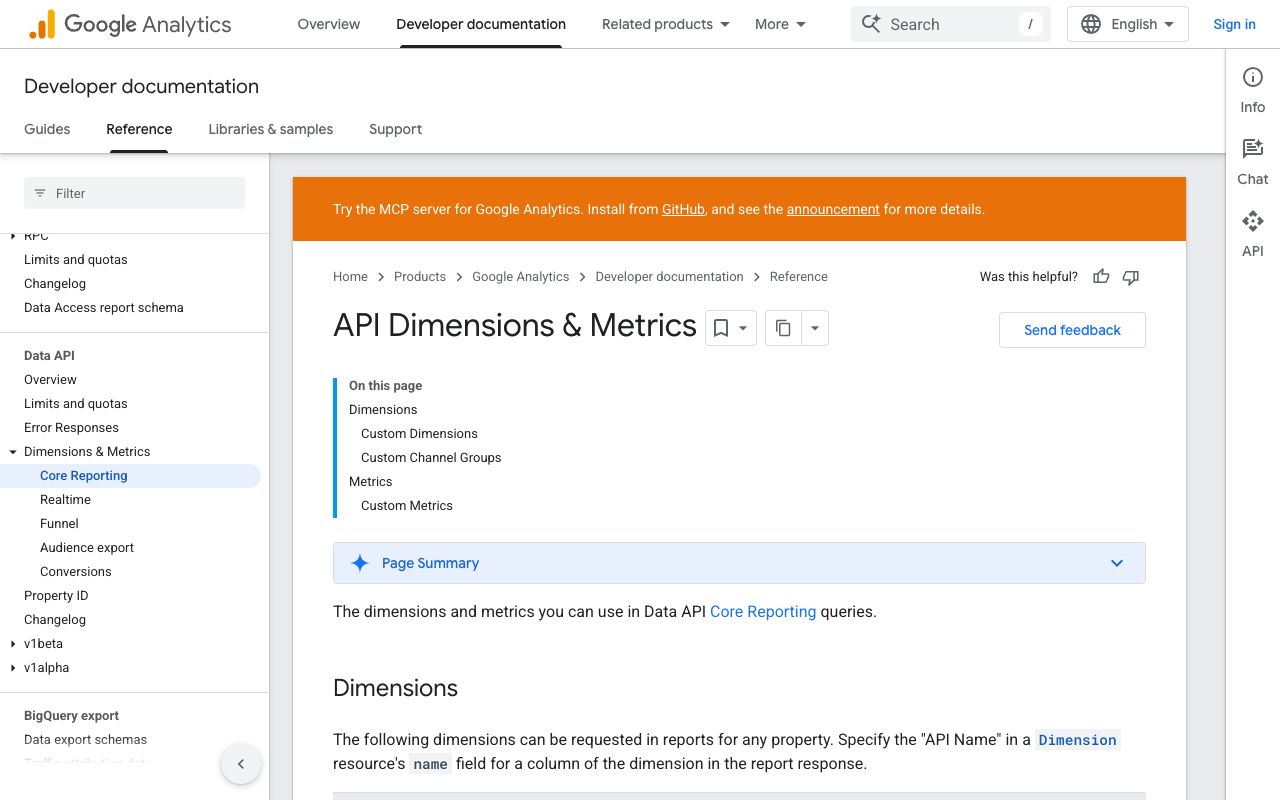
One trap hides in that list. GA4 defines Language as "the name of the language of a user's browser or device" — not the language of the page you served. A German speaker in Zurich landing on your /de-ch/ pages and one in Berlin look identical on that dimension. To know which localized version someone saw, send the served locale as your own event parameter and register it as a custom dimension.
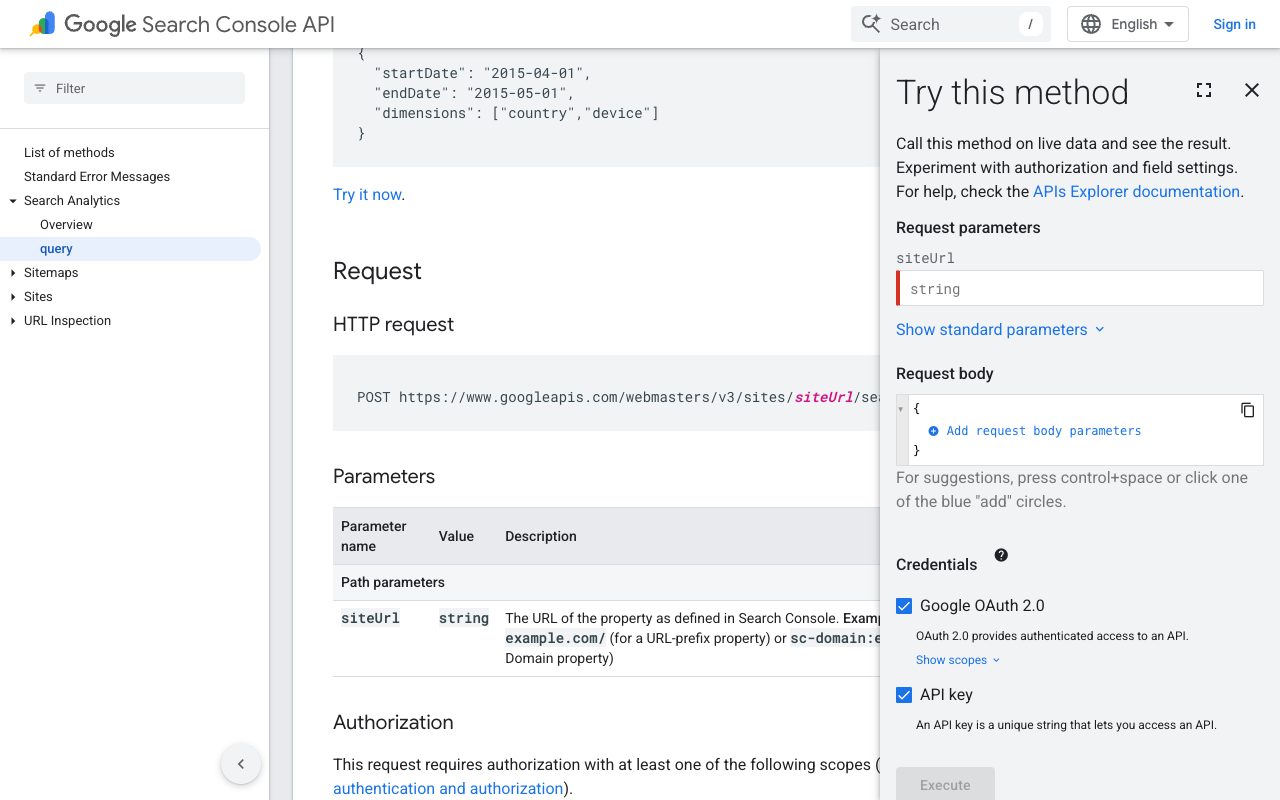
Search Console covers the other half. The Performance report groups by Queries, Pages, Countries, Devices, Search appearance and Dates, and those filters stack — country plus query gets you demand per market. Beyond spot checks, use the Search Analytics API, which accepts country, device, page, query, searchAppearance, date and hour as dimensions and returns up to 25,000 rows per request (default 1,000).
A workable sequence for international SEO tracking:
- Keep one GA4 property for the whole site and segment by country, rather than splitting properties per region and losing comparability.
- Build an exploration with Country as rows and Language as the breakdown, then add landing page to see whether people reach the locale you intended.
- Tag the served locale as a custom dimension so "market" and "browser language" stay separate concepts.
- Pull Search Console country data through the API on a schedule instead of exporting the interface table by hand.
- Join both sources on the ISO 3166-1 alpha-2 code — never on display names, which differ between tools and localize unpredictably.
Which Search Engines Do You Have to Track in Each Market?
Decide before you buy tracking, because every extra engine multiplies cost. Pull the current split for each country you sell in and let the data pick your engines.
| Market | Leading engine | Share | Runner-up | Share |
|---|---|---|---|---|
| Worldwide | 91.31% | Bing | 4.47% | |
| China | Baidu | 50.83% | Bing | 22.84% |
| Russian Federation | Yandex | 72.85% | 25.48% |
Source: Statcounter Global Stats, July 2026. Statcounter breaks the same data out for every country and splits desktop, mobile and tablet — useful when a market's mobile mix differs from its desktop one.
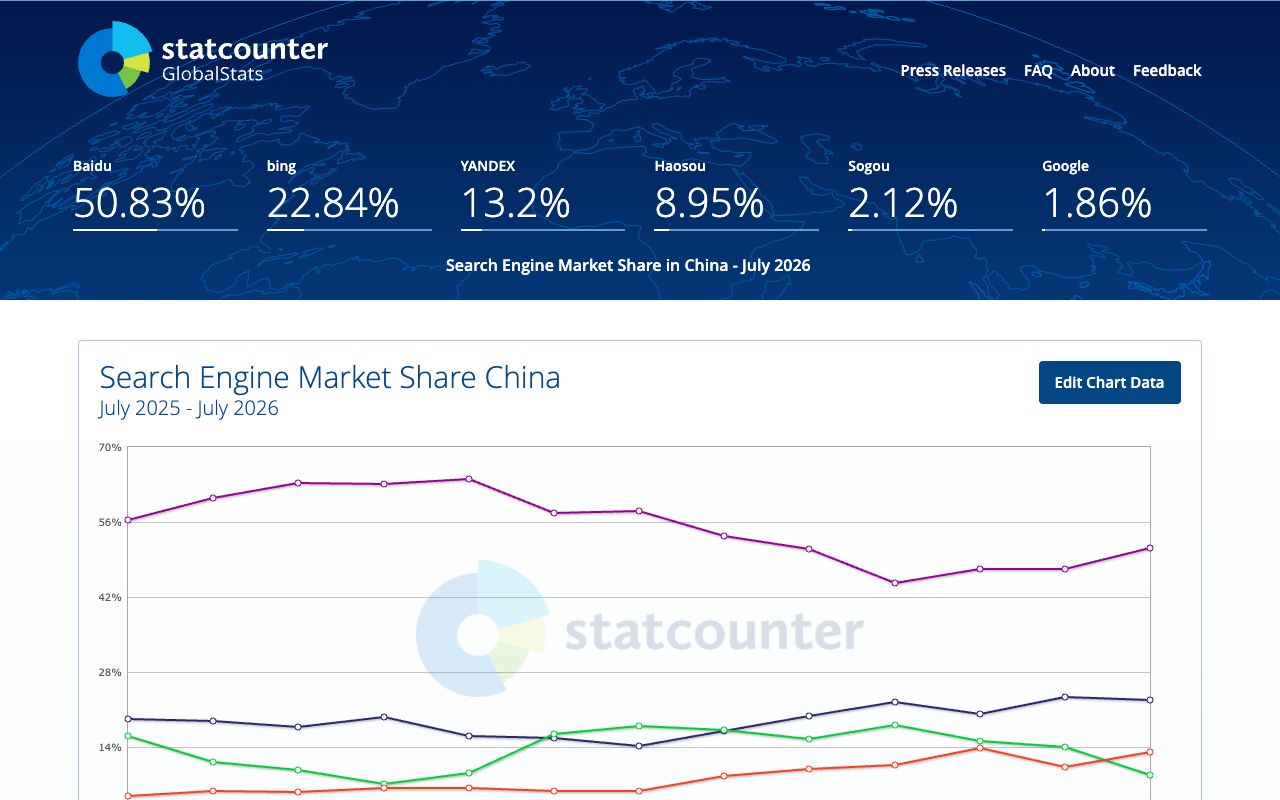
The working rule: track Google everywhere you operate, add the local leader wherever Google sits below roughly 80%, and re-check the split quarterly instead of trusting last year's numbers.
How Should You Set Up International SEO Tracking by Location and Device?
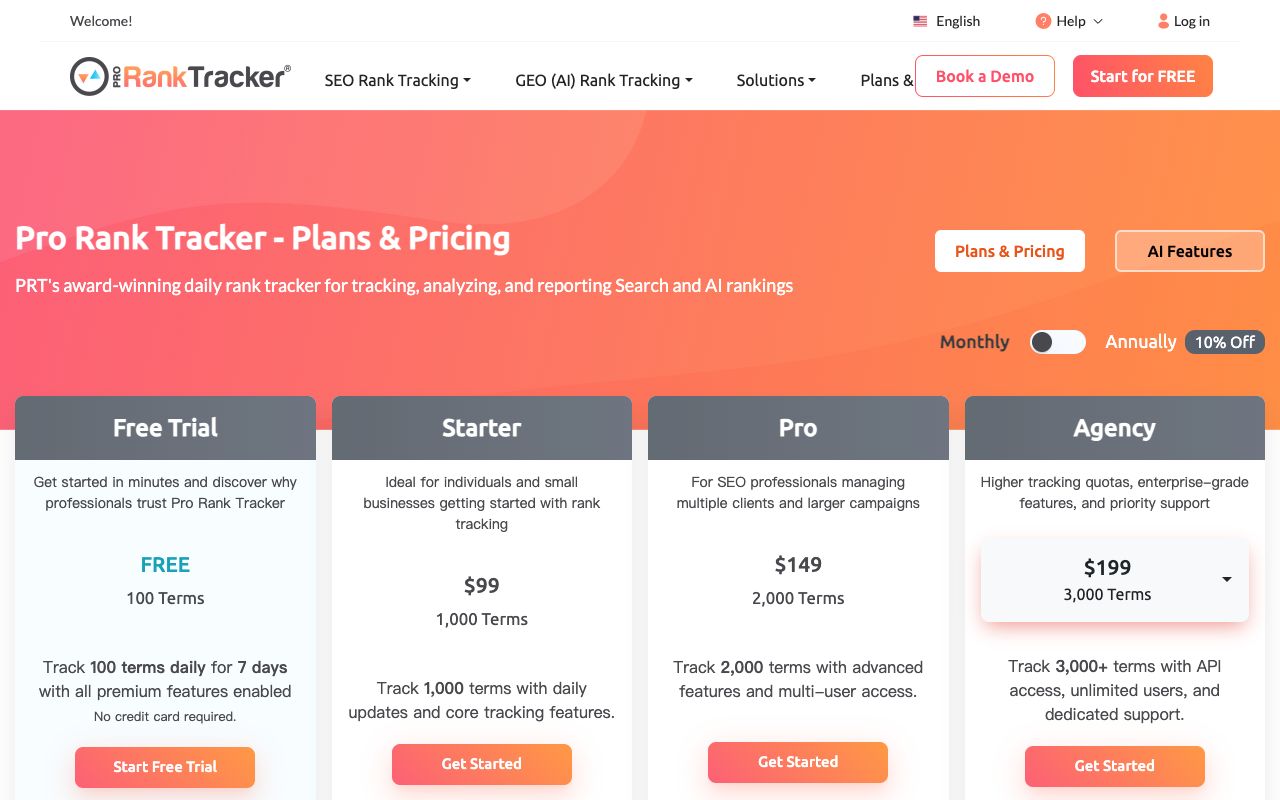
Rank tracking scales on a dimension most teams forget to multiply. Pro Rank Tracker states the unit plainly: one "Term" equals one keyword plus URL plus engine, location and device combination — and AI tracking counts as two Terms per scenario.
Run the arithmetic before you shop. Fifty keywords across six countries on two devices is 600 terms, not 50. The same fifty in three languages across those countries is 1,800. That calculation decides your plan more than any feature list.
Three configuration decisions that matter more than the vendor you pick:
- Track at country level by default, dropping to city level only where queries carry genuine local intent, such as services with physical locations.
- Split mobile and desktop in any market where your GA4 device mix differs by more than about ten points from your home market.
- Confirm geo-redirects are not sending trackers and crawlers to the wrong locale — a US-based checker bounced from
/fr/to/us/will report your French pages as missing. Our free redirect checker traces the hop chain, and the index checker confirms the localized URL is indexed before you blame rankings.
Which Currency, Timezone, and Sampling Traps Distort Global Reports?
Currency. GA4 converts local-currency transactions using "the prior day's exchange rate." For volatile pairs your reported revenue and your finance team's revenue never tie out exactly, so agree in advance which number is authoritative.
Timezone. The Performance report "tracks daily data according to local time in California," and Google warns that if your other systems use different time zones, your daily views may not match exactly. A campaign running Tuesday in Tokyo straddles two California reporting days. Pick one timezone for the dashboard and convert everything into it.
Thresholding. This silently deletes your smallest markets. GA4 withholds rows to protect privacy, and the documentation is blunt: "the row containing that data may be withheld if there aren't enough total users." Any report touching demographic data or Google-signals audiences is exposed, and a market with 40 users a week is exactly what vanishes.
The (other) row. When a table exceeds its cardinality limit, GA4 collapses the long tail into a single "(other)" bucket — on a site selling into 40 countries, that bucket is your emerging markets. Widening the date range helps, and a BigQuery export removes both problems properly.
How Do You Build One Cross-Market Dashboard?
A global SEO analytics dashboard has one job: make markets comparable without pretending they are the same size. Six rules get you there.
- Use ISO 3166-1 alpha-2 as the join key across GA4, Search Console, your rank tracker and your ecommerce backend.
- Normalize to one currency and one timezone at ingestion, not in the visualization layer.
- Show every market as an absolute figure and as a share of your own total, so a 12% drop in a market worth 3% of revenue does not raise the same alarm as a 4% drop in your largest.
- Put the tracked engine in the row. "Position 6" means something different on Yandex than on Google.
- Add a coverage column — indexed URLs per locale — because ranking problems in a new market are usually indexing problems in disguise.
- Report weekly per market and monthly in rollup, since daily country-level numbers are mostly noise at small sample sizes.
For market sizing alongside your own data, Similarweb advertises 100+ country-level coverage and up to 37 months of history, though it publishes no self-serve pricing and routes buyers to sales.
Which Global SEO Tools Are Best for International Reporting in 2026?
No single product covers all of global SEO analytics. You need a tracker that understands location, the analytics stack you already own, and increasingly something that watches AI answers per country. Prices below come from each vendor's public pricing page in August 2026, on monthly billing.
Semrush
Semrush lists four tiers: SEO at $139, Starter at $199, Pro+ at $299 and Advanced at $549. Daily tracked keywords run 500 / 500 / 1,500 / 5,000 and monitored websites 5 / 5 / 15 / 40. AI prompt tracking starts at Starter with 50, 100 and 200 prompts a day, capped at one AI domain. The breadth of country databases is why most multi-market teams land here despite the price.
Ahrefs
Ahrefs prices Lite at $129, Standard at $249, Advanced at $449 and Enterprise at $1,499 per month, with 750 / 2,000 / 5,000 tracked keywords on the first three. Brand Radar bundles tracked AI prompts at 5, 10 and 20, and a standalone Brand Radar AI product starts at $199/mo. Its backlink index matters most when building authority in a market from zero.
SE Ranking
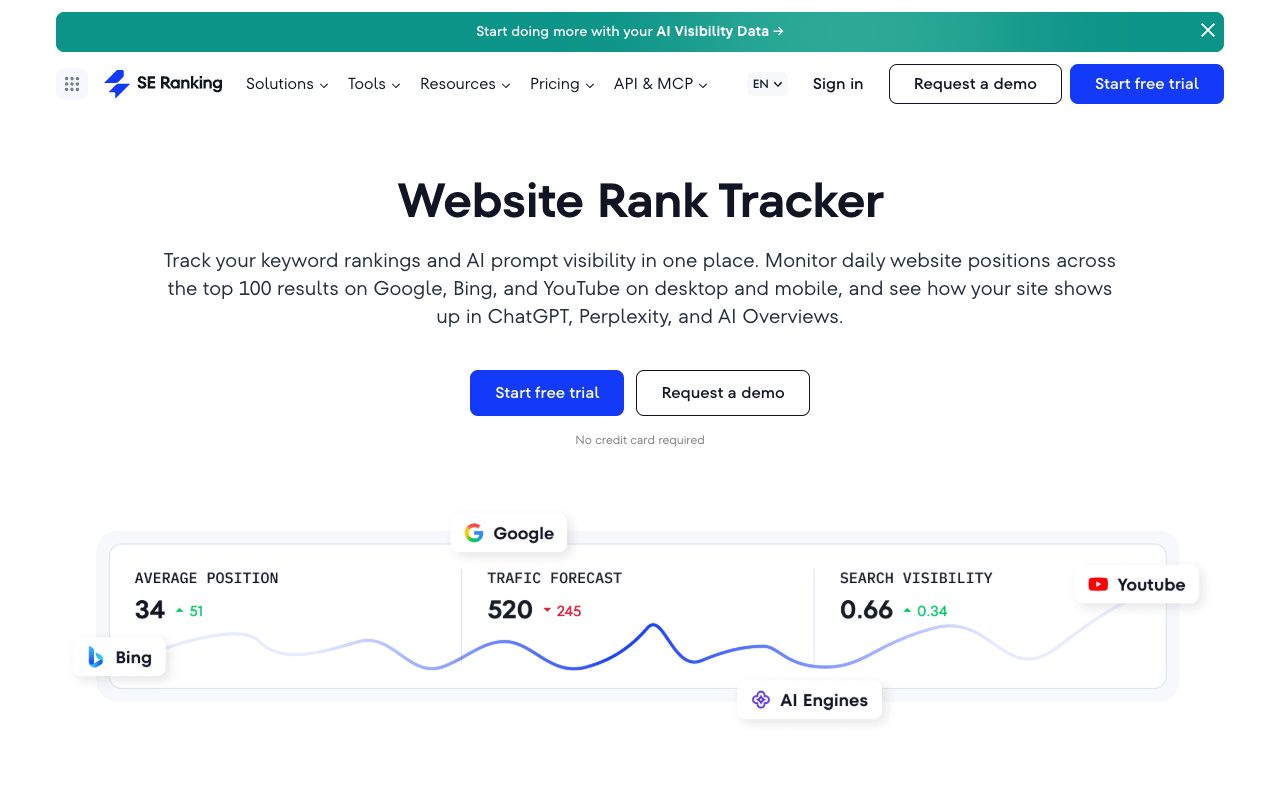
SE Ranking publishes Core at $129/mo and Growth at $279/mo, discounted to $103.20 and $223.20 on annual billing, with Enterprise on custom terms. Core covers 2,000 keywords and 100 prompts tracked daily across 10 projects, Growth 5,000 keywords and 250 prompts across 30. Both list an AI Results Tracker spanning AI Overviews, AI Mode, Perplexity and ChatGPT, with an AI Search add-on at $89/mo monthly for larger prompt volumes. Pound for pound it buys the largest keyword allowance, which suits wide country coverage.
Pro Rank Tracker
Pro Rank Tracker runs Starter at $99/mo for 1,000 terms, Pro at $149/mo for 2,000, and Agency tiers from $199/mo at 3,000 terms up to $1,039/mo at 20,000, with a 7-day free trial of 100 terms and no card. Annual billing takes 10% off. As a dedicated international SEO tracker it is unusually transparent about the location-and-device multiplier, which makes many-market budgeting predictable.
Kairosy
Kairosy is not a rank tracker and does not pretend to be one. It scans what ChatGPT, Gemini, Claude and Perplexity say about a brand, scores each answer's sentiment, records the sources those answers cite, and returns a fix plan. Plans are $29, $99 and $399 a month, with a free 7-day trial to start. The 25 country-specific markets and weekly brand monitoring sit on paid tiers, and prompt tracking runs daily.
| Tool | Entry price (monthly) | Included at entry tier | Best global angle |
|---|---|---|---|
| Semrush | $139 (SEO) | 500 keywords tracked daily | Widest country database coverage |
| Ahrefs | $129 (Lite) | 750 tracked keywords | Backlink data for new-market authority |
| SE Ranking | $129 (Core) | 2,000 keywords tracked daily | Largest keyword allowance per dollar |
| Pro Rank Tracker | $99 (Starter) | 1,000 terms | Explicit engine/location/device pricing unit |
| Kairosy | $29 (Basic) | Brand scans plus weekly monitoring | AI answer visibility across 25 country markets |
Do AI Answers Change by Country Too?
Yes, and it is a real gap in most reporting stacks. Ask an assistant to recommend a booking site and the answer shifts with the buyer's country, because the model weights local brands, local review sources and local coverage differently. Kairosy puts the buyer's country into the prompt and runs the same questions across 25 markets, so "we are visible in AI" becomes a per-market reading rather than one global guess.
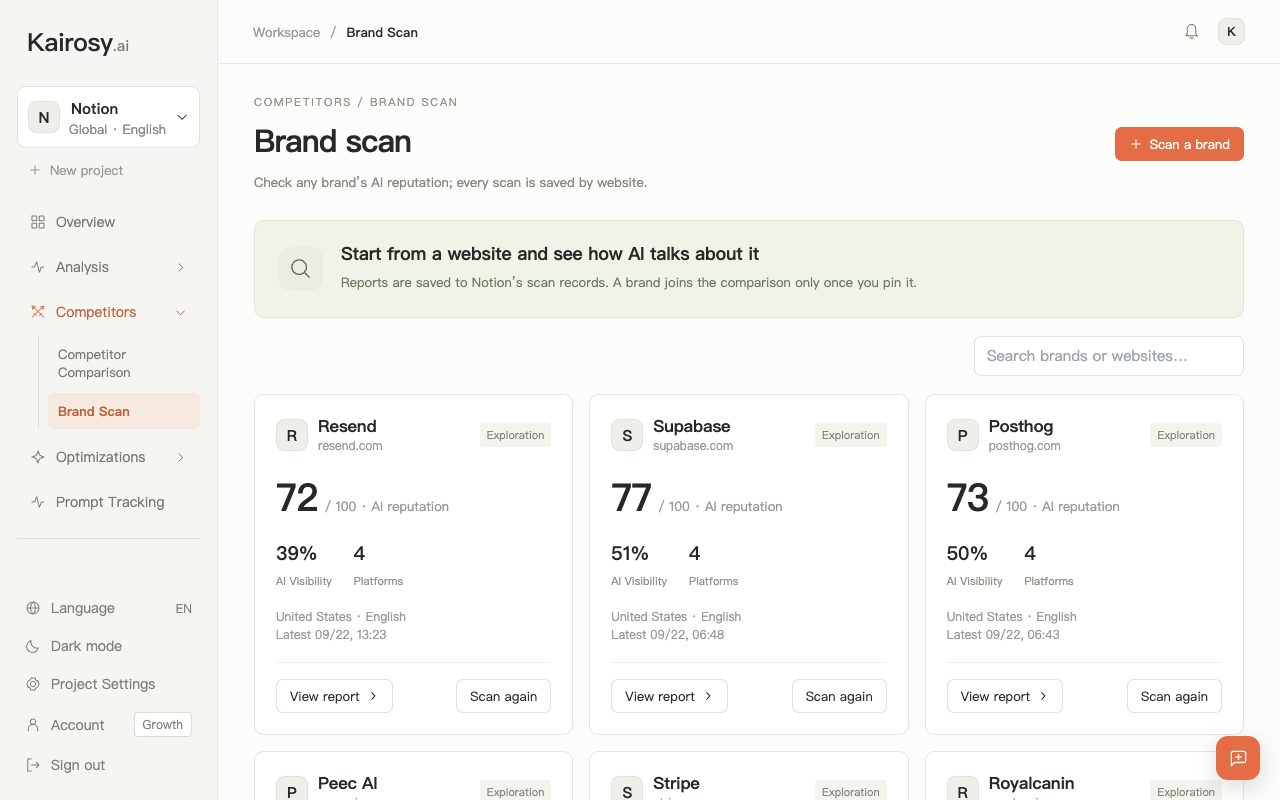
Kairosy's scan of Omio, a cross-border travel booking brand, is a public example of that report format: engine-by-engine answers, the sentiment attached to each, and the sources cited. To run it continuously rather than as a one-off check, AI brand monitoring rescans each brand-and-market pair weekly and emails you when something moves.
Global SEO Analytics FAQs
What is global SEO analytics in one sentence?
It is the practice of measuring search demand, rankings, traffic and revenue separately for each country, language, engine and device you compete in, then normalizing those numbers so markets compare fairly.
How do I track SEO performance in multiple countries for free?
Search Console and GA4 cover most of it at no cost: group the Performance report by Countries, and build a GA4 exploration with Country as rows and Language as the breakdown. You will still need a paid tracker for daily rank positions across many locations.
What is the best international SEO tracker for a small team?
On budget, Pro Rank Tracker's $99/mo Starter plan covers 1,000 terms — roughly 80 keywords across six countries on both devices. SE Ranking's Core plan at $129/mo covers 2,000 daily-tracked keywords if you need room to grow.
Do global SEO tools cover AI answers as well as search results?
Partly. Semrush, Ahrefs, SE Ranking and Pro Rank Tracker all now list some AI or LLM tracking, but included prompt allowances are small — 5 to 200 depending on tool and tier — and most are scoped to a single tracked domain. Dedicated AI visibility scanning goes deeper on sentiment, citations and per-country differences.
Why do my small markets disappear from GA4 reports?
Two mechanisms. GA4 applies data thresholds that withhold rows without enough total users, and it collapses the long tail of high-cardinality dimensions into an "(other)" row. Widening the date range helps with both, and a BigQuery export removes the problem entirely.
See what AI says about your brand
Run a free scan across ChatGPT, Gemini, Claude & Perplexity in about 30 seconds.
Run my free scan