AEO Tools in 2026: Analysis, Optimization and Monitoring Compared
AEO tools do three different jobs: analysis tools show where you stand in AI answers today, optimization tools change the pages those answers draw from, and monitoring tools re-run a fixed question set on a schedule so you can prove a change held. This guide sorts nine tools into those jobs, with every price checked on the vendor's site on October 21, 2026, and ends with a four-step loop a two-person team can run in a week.
What Are AEO Tools, and When Does a Brand Actually Need One?
Answer engine optimization (AEO) is the work of getting a brand mentioned, cited and recommended inside AI-generated answers — ChatGPT, Gemini, Claude, Perplexity, Google AI Overviews and AI Mode — rather than ranked on a results page.
The category exists because clicks are leaving the results page. Pew Research Center's July 22, 2025 study of 68,879 real Google searches found people clicked a traditional result on 8% of visits when an AI summary appeared, against 15% when it did not. Bain & Company's February 19, 2025 survey of 1,117 consumers found 80% rely on "zero-click" results in at least 40% of their searches.
- AEO metrics analysis tools (audit): which prompts mention you, which domains get cited, how you compare with rivals, sometimes how much demand a prompt carries.
- AEO optimization tools (execution): anything that changes a page, a schema block, a crawl rule or a listing that engines actually read. Reports do not move answers. Edits do.
- AEO monitoring tools (tracking): the same questions re-asked on a cadence with history kept per engine, so a real improvement is separable from a model's run-to-run noise.
You need analysis the moment a buyer could ask an assistant "best X for Y" and hear a competitor, optimization once analysis exposes a gap you own, and monitoring once you have shipped a change and want to know whether it stuck.
Which AEO Metrics Analysis Tools Tell You Where You Stand Today?
One caveat first: Kairosy (covered under monitoring) has no prompt-volume or demand data; Profound and Ahrefs are where that lives.
Profound — prompt-volume data at enterprise scale
Profound's differentiator is its Prompt Volumes dataset, built from what it calls "billions of real user conversations". The free trial runs 50 prompts daily for 7 days on ChatGPT, Gemini and Google AI Overviews; the paid tier is Enterprise at custom pricing with up to nine engines. It cites "a third of the Fortune 100" as customers, and Kairosy's public scan of Profound (24 buyer questions on ChatGPT, Gemini, Claude and Perplexity) scored it 52/100 at 88% AI visibility, with "heavy and enterprise-oriented" the most repeated negative theme.
Ahrefs Brand Radar — a 495-million-prompt index you query like keywords
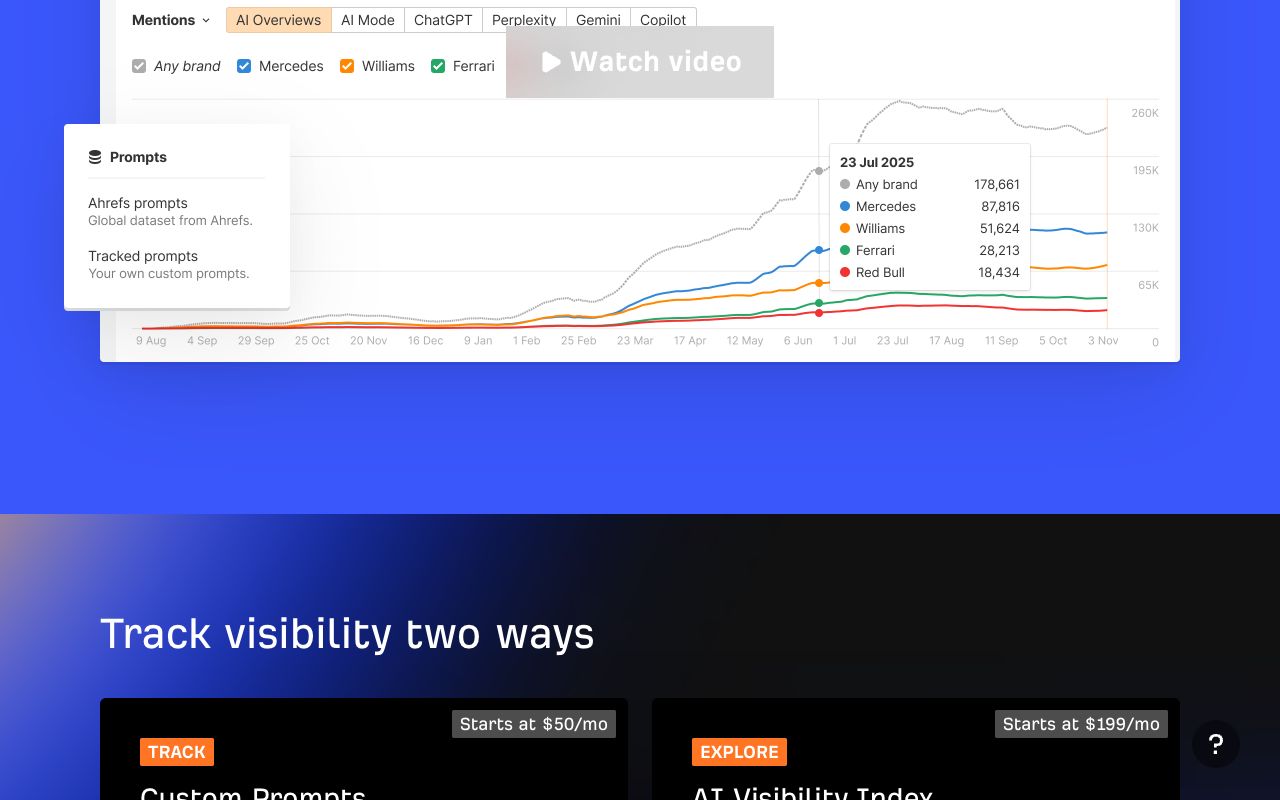
Brand Radar covers AI Overviews, AI Mode, Gemini, Copilot, Perplexity and ChatGPT, reporting mentions, citations, AI share of voice and volume-weighted estimated impressions. The AI Visibility Index add-on (495 million prompts) is $199/mo for 83 prompts a day and 2,500 checks a month; Custom Prompts for your own questions start at $50/mo and come free with Lite ($129/mo) and above. It is an add-on to an SEO subscription, not a standalone product.
Semrush — AI tracking inside the suite your SEO team already pays for
On the pricing page, the $199/mo plan (billed monthly, or $165.17/mo annually — Semrush labels it "Starter") includes 50 prompts tracked daily, AI brand performance for one domain and 300 AI visibility reports a day. The $299/mo tier lifts that to 100 prompts. Pick it when the same people run rank tracking and AI tracking and want one invoice.
Peec AI — per-model source analysis with unlimited seats
Peec AI's unit is the "chat result": one answer per prompt per model per day. On its pricing page, Starter covers 50 prompts, 3 models and 1 project; Pro 150 prompts and 2 projects; Advanced 350 prompts and 5 projects, all with unlimited users and daily tracking across models such as ChatGPT, AI Mode, AI Overviews, Copilot and Gemini. Prices render client-side, so read them on the page. Per Kairosy's scan of Peec AI (52/100), Gemini often does not know the brand exists. Also worth a look: AthenaHQ, with a free plan carrying a $25 credit and a $295/mo Starter tier (pricing).
Which AEO Optimization Tools Change the Page, Not Just the Report?
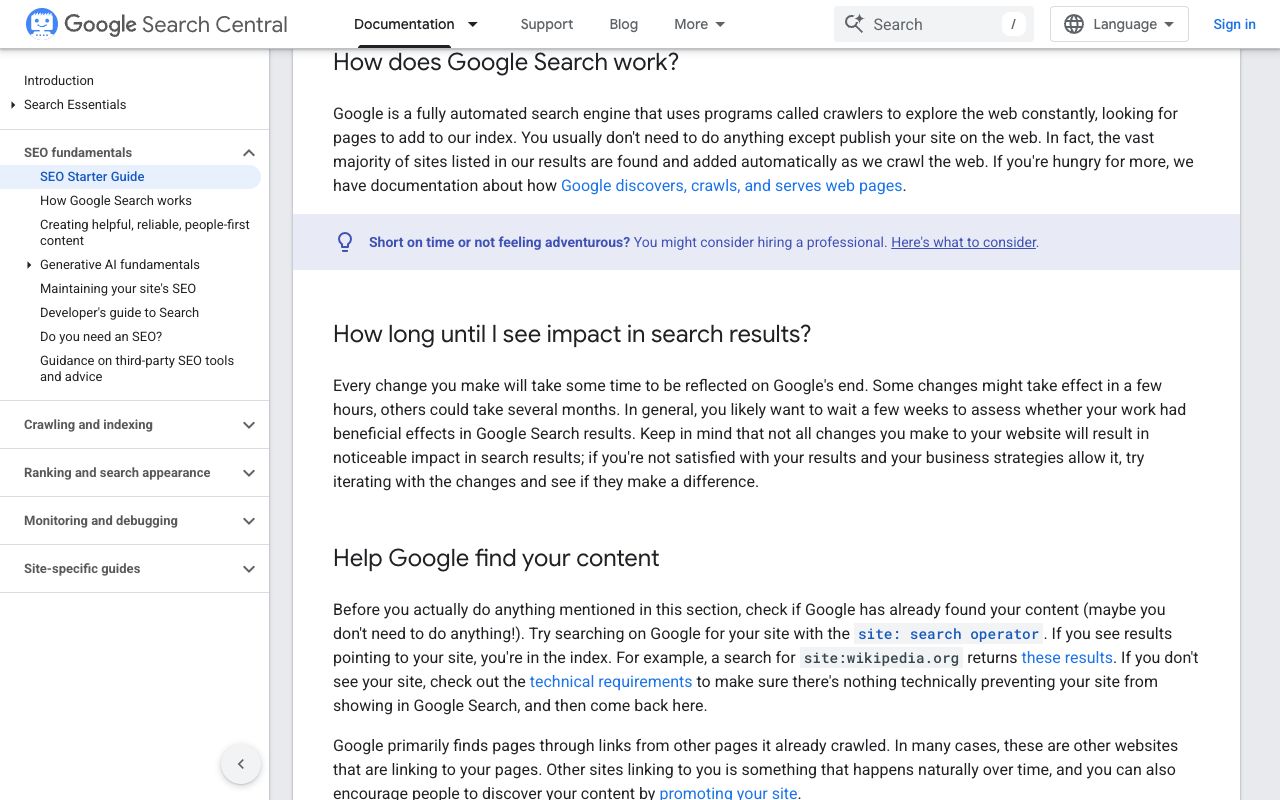
This section is short on purpose: our companion guide to answer engine optimization tools covers execution tools one by one. One framing point: Google's AI features documentation states there are "no additional requirements to appear in AI Overviews or AI Mode" and that you "don't need to create new machine readable files, AI text files, or markup." So llms.txt and schema are not ranking levers for Google's answers — worth a free check for other crawlers, not the whole plan.
| Tool | What it actually changes | Price (checked Oct 21, 2026) |
|---|---|---|
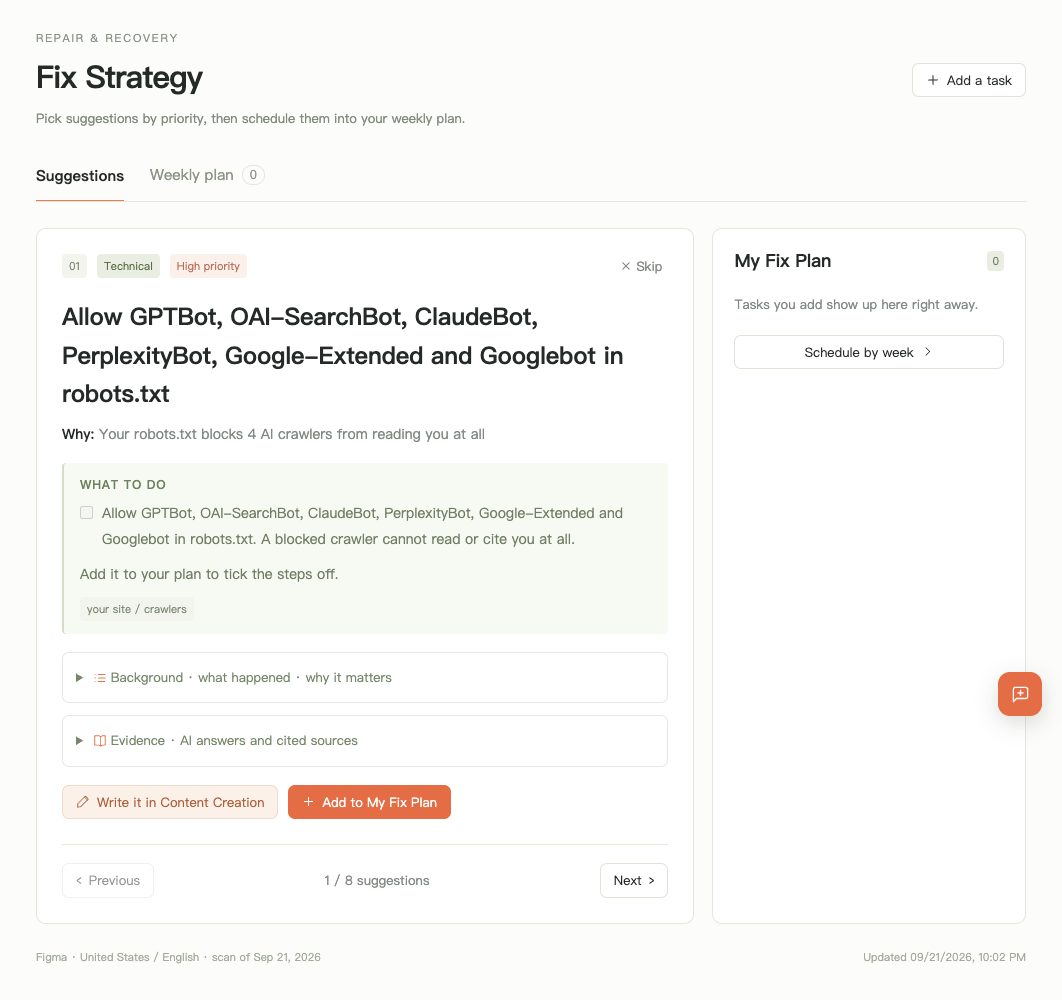
| Kairosy Fix Strategy + Content Creation | A task card with a checklist per negative answer, plus content drafts; the paid AI-Ready Page Audit checks crawler access, llms.txt, schema and content structure on one URL. | From $29/mo (Basic: 15 content points); 7-day trial, no card |
| Kairosy free tools | llms.txt generator and validator, AI crawl checker, schema markup checker, reading level checker. | Free |
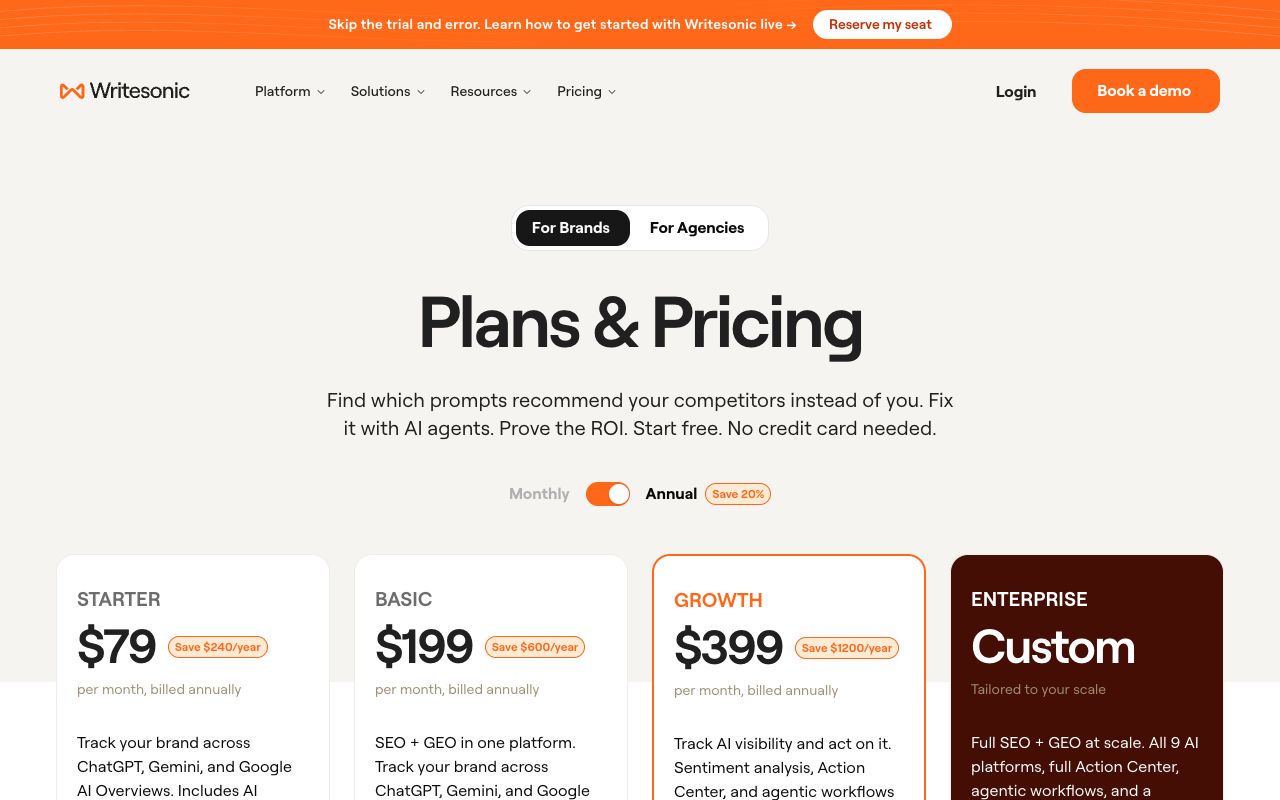
| Writesonic | AI articles (15–50 a month) and site audits (10–50 a month) beside prompt tracking on ChatGPT, Gemini and AI Overviews. | $79/mo Starter, $399/mo Growth, both billed annually (monthly billing is higher) — pricing |
| Google Rich Results Test | Shows whether Google can parse a page's structured data — test a URL. | Free |
| Schema.org validator | Checks JSON-LD and Microdata against the schema.org vocabulary — validator.schema.org. | Free |
The paid optimization tools are also partly analysis or monitoring tools. Buy them for the edits they help you ship, not for the dashboard.
Which AEO Monitoring Tools Re-Run Your Questions on a Schedule?
Judge monitoring tools on cadence, prompts re-run on the entry plan, engine count, and whether sentiment and competitor preference are tracked. Kairosy is listed first because monitoring with sentiment is its core job.
Kairosy — daily prompt re-runs, answer-level sentiment and a fix plan from $29
Kairosy's AI brand monitoring re-runs tracked questions every day and deep-rescans each brand × market slot every Monday, keeping full answers with cited sources and classifying each as positive, negative, not mentioned or "competitor recommended". Every plan picks 4 of the 6 engines — ChatGPT, Gemini, Claude, Perplexity, DeepSeek, Doubao. Prompt Tracking shows a per-engine answer card and a 7-run history per question; a weekly email flags score drops, a competitor being preferred, an engine flipping and new negative keywords. Alerts arrive only in that weekly email. Basic is $29/mo for 1 slot, 15 prompts a day, 15 content points and 12 competitor quick scans; Pro $99/mo for 5 slots and 60 prompts a day; Growth $399/mo for 20 slots and 250 a day; annual billing works out to $25 / $79 / $299. The 7-day trial needs no card; afterwards a free account can read past reports but cannot scan.
Otterly.AI — citation share of voice from $29, with a 7-day no-card trial
Otterly defines share of voice as "the percentage of citations you own versus competitors". On its pricing page, Lite is $29/mo for 15 search prompts on ChatGPT, Google AI Overviews, Perplexity and Microsoft Copilot; Standard is $189/mo for 100 prompts plus API and MCP access; Premium is $489/mo for 400 prompts; annual billing takes 15% off. The homepage advertises a 7-day trial with no card. Neither its pricing page nor its homepage states a re-run cadence. Kairosy's public scan of Otterly.AI scored it 55/100 ("At risk") at 83% AI visibility, with prompt limits on cheaper plans the most-cited weakness.
SE Ranking AI Search Toolkit — an $89 add-on next to your rank tracker
SE Ranking sells AI tracking as an add-on: +$89/mo on monthly billing (+$71.20/mo annually) on top of a Core plan at $129/mo (pricing). The AI Results Tracker covers AI Overviews, AI Mode and ChatGPT with 200 prompts on the starter allocation, cited source URLs and historical visibility, with a 14-day free trial.
Rankscale — eight engines and unlimited search terms on a credit meter
Rankscale meters credits rather than prompts. Pro is $99/mo ($84.15 annually) for 1,200 credits, enough to track up to 4,800 AI answers a month across eight engines including ChatGPT, Gemini, Perplexity, Claude, DeepSeek, Mistral and Copilot, with unlimited search terms and a 7-day free trial (pricing). Many prompts on many engines every day will run the meter out.
How Do You Run a Minimal AEO Workflow: 20 Questions, One Gap, One Page, One Re-Test?
The smallest loop that produces evidence, with the tool class each step needs.
Step 1 — conduct keyword research for AEO and write 20 questions (analysis tool)
To conduct keyword research for AEO, write the questions a buyer types into an assistant: "best [category] for [use case]", "[your brand] vs [rival]", "is [your brand] worth it", "[category] with [must-have feature]". Rank the list with a prompt-volume source if you have one; classic volume data will not do it — Semrush's July 21, 2025 study found ChatGPT cites pages ranking at position 21 or worse about 90% of the time. Cap the list at 20: that fits a Kairosy trial (50 a day) or Pro (60); on Basic you track 15 daily and keep 5 as a manual monthly check.
Step 2 — pick one gap (analysis or monitoring tool)
Run the 20 questions once and sort answers into four buckets: mentioned positively, mentioned negatively, not mentioned, competitor recommended. Pick exactly one gap you own — usually the question where a rival is recommended and the cited source is a page type you can publish.
Step 3 — fix one page (optimization tool)
Rewrite the one page that answers that question in its first screen, with the brand named and the comparison the engines are already making. Then run the AI crawl checker to confirm GPTBot, ClaudeBot and PerplexityBot can fetch it, and the schema markup checker for broken JSON-LD. In Kairosy, Fix Strategy turns the negative answer into a task card with a checklist; Content Creation drafts the page against content points.
Step 4 — re-test under the same conditions (monitoring tool)
"Same conditions" means identical question wording, the same engine set, the same market, and a comparison across a run history rather than one answer against one answer. A single improved answer proves nothing; a 7-run history where the question flips from "competitor recommended" to "mentioned" on two engines and stays there does (our measurement protocol covers run counts). Log it like this.
| Question (example) | Engine | Baseline, week 0 | Re-test, week 3 (same wording, US market) | Tool class |
|---|---|---|---|---|
| best inventory app for Shopify under $50 | ChatGPT | Competitor recommended (Rival A) | Northwind mentioned, Rival A still first | Monitoring |
| best inventory app for Shopify under $50 | Perplexity | Not mentioned | Northwind mentioned, cites northwind.example/compare | Monitoring |
| Northwind vs Rival A | Gemini | Negative (pricing "unclear") | Neutral, cites the updated pricing page | Optimization, then monitoring |
Example values for a fictional brand (Northwind), not measured results.
Self-Serve AEO Tools vs Full-Service Agency: Which Fits a Small Business or an Enterprise?
The self-serve AEO tools vs full-service agency question comes down to who writes the strategy, who ships the edits and what the budget can carry.
| Dimension | Small business, self-serve | Enterprise, self-serve platform | Full-service agency |
|---|---|---|---|
| Strategy | One marketer picks 20 questions and one gap a month; the tool supplies the fix list. | In-house team sets the prompt universe per market; the platform supplies volume data and reporting. | Agency writes the prompt set, content calendar and outreach plan; you approve. |
| Execution | You edit the pages; drafts come from content points or your writer. | Internal writers, engineers for schema and crawl changes, PR for third-party sources. | Agency writers and outreach; slower feedback loop. |
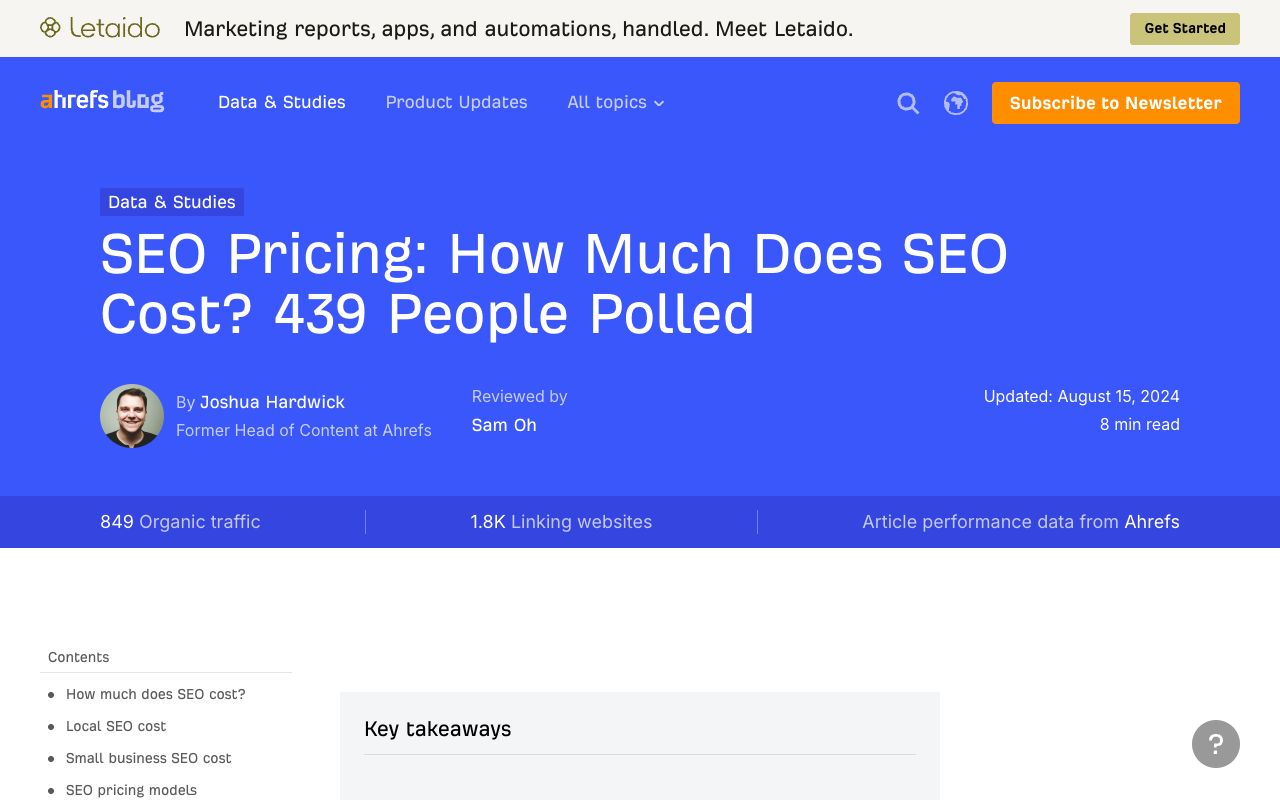
| Budget | $29–$99/mo tools (Kairosy Basic or Pro, Otterly Lite, Rankscale Pro) plus your time. | $199/mo add-ons up to custom enterprise contracts (Ahrefs, Semrush, Profound) plus headcount. | Nearest public benchmark is SEO, not AEO: Ahrefs's August 15, 2024 survey of 439 providers found $500–$1,000/mo the most common agency retainer, with 57.4% of agencies charging $1,001+. |
AEO tools for small business pay off when the owner can edit the website and will open the weekly email; if neither is true, an agency retainer is buying attention, and that is a legitimate purchase. One Kairosy limit: there is no seats or client-isolation layer for agencies — Growth gives 20 project slots in a single account. See our guide to GEO services for enterprises for statements of work.
AEO Tools FAQs
What is the difference between AEO monitoring tools and AEO metrics analysis tools?
Analysis tools measure a moment — mentions, cited domains, demand. Monitoring tools repeat the same prompts on a schedule and keep history per engine. Profound and Ahrefs lead with demand data; Kairosy and Otterly lead with scheduled re-runs.
Are there free AEO tools?
Free single-page checks exist: Kairosy's eight tools at /tools, Google's Rich Results Test and the Schema.org validator. AthenaHQ has a free plan with a $25 credit. Scheduled re-runs are paid after a trial — Kairosy, Otterly, Profound and Rankscale offer 7 days, SE Ranking 14 — and a trial is not a free plan.
How many prompts should a small business track?
Fifteen to twenty: a "best for" question, two comparisons against named rivals, an "is it worth it" question and a few feature-specific ones. Kairosy Basic and Otterly Lite cover 15; Peec Starter and Semrush's $199 plan cover 50.
Do AEO tools cover Google AI Overviews and AI Mode?
Ahrefs Brand Radar, Semrush, SE Ranking, Peec and Otterly track Google's AI surfaces. Kairosy covers ChatGPT, Gemini, Claude, Perplexity, DeepSeek and Doubao, and lists Google AI Mode as coming soon rather than supported. Google says no special markup is required for either.
Can an AEO tool guarantee a better answer?
No. A tool can show the gap, the cited source and the before-and-after history, but the engine decides what to say and varies between sessions. Treat a change as real only when it holds across several runs under the same conditions.
See what AI says about your brand
Run a free scan across ChatGPT, Gemini, Claude & Perplexity in about 30 seconds.
Run my free scan