AI Content Citation Tracking Tools for Every Budget (2026)
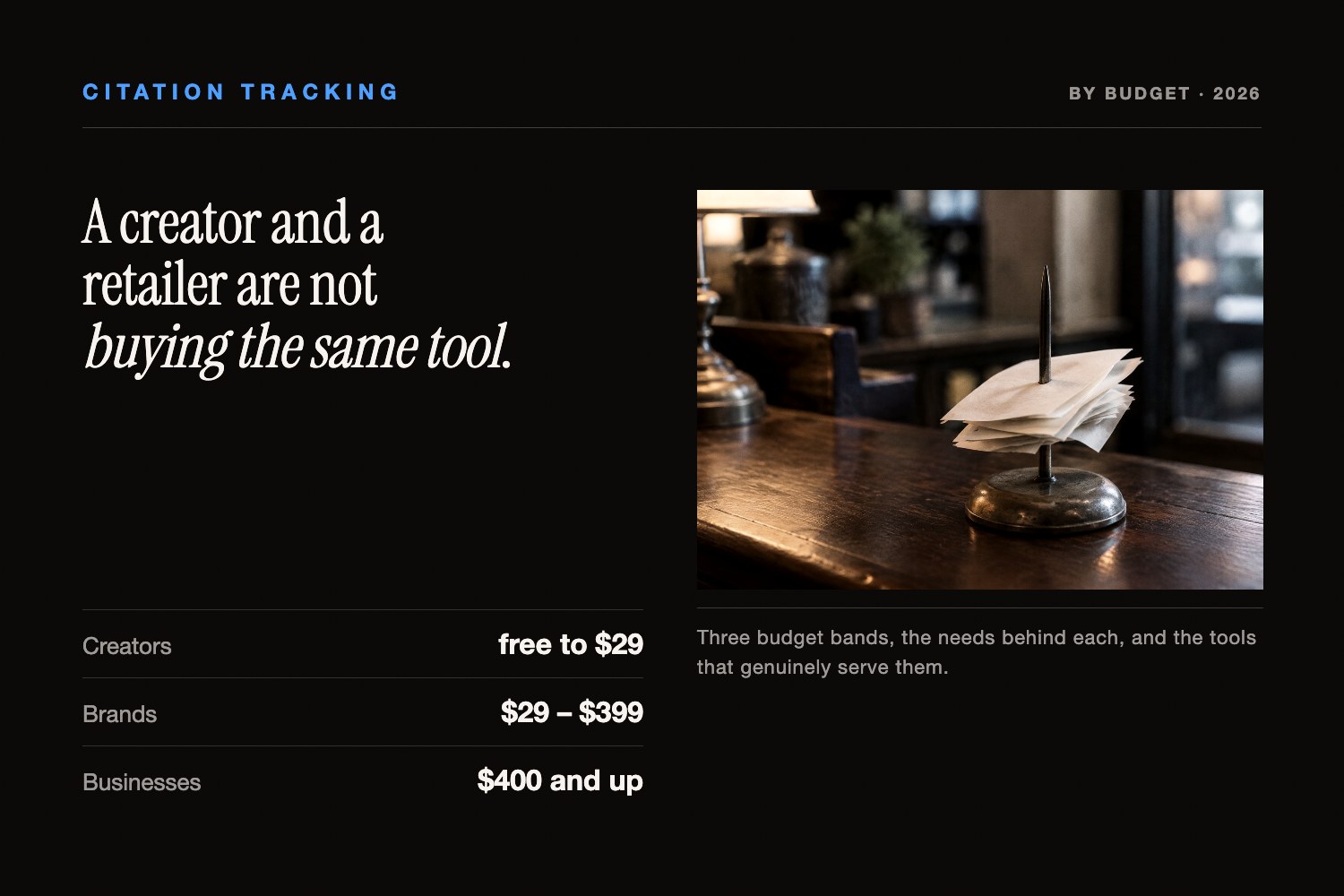
Buy for your budget band, not for the longest feature list. A solo publisher who wants to know whether ChatGPT ever linked to one post can get there with two free webmaster consoles. A marketing team defending a category needs per-engine source lists and a competitor set. An ecommerce or trading platform needs volume, market coverage, and something an auditor can read.
So this guide sorts AI content citation tracking tools into three audience bands — creators, brands, businesses — and states what each band needs before naming a vendor. Every price below was read off the vendor's own site on August 5, 2026.
What Do AI Content Citation Tracking Tools Actually Measure?
Three different things, and mixing them up is how teams end up paying twice for the same number.
- Answer-side records. The tool sends prompts to ChatGPT, Gemini, Perplexity, Copilot or AI Overviews, then stores the list of URLs each engine attached to its answer.
- Site-side records. Your own property tells you when it got used as a source. Google and Microsoft both publish this now, free, and neither charges by prompt.
- Share-side records. How often your domain shows up as a source for a topic compared with rival domains. This is AI search citation source tracking, and it is the layer most agencies actually report on.
A mention is your name in the prose. A citation is a link the engine hangs off that prose. They diverge constantly, and the gap between them is its own analysis job — our walkthrough on how to analyze citation gaps in AI covers that side.
Why bother auditing sources at all? Because engines get sourcing wrong at a rate no brand should assume away. In the EBU and BBC study published in October 2025, journalists from 22 public broadcasters graded more than 3,000 answers from ChatGPT, Copilot, Gemini and Perplexity: 45% carried a significant issue, and 31% had sourcing problems specifically — missing, wrong, or misleading attributions.
Which Audience Are You Buying For, and What Budget Fits?
Budgets differ, but the question each band is trying to answer differs more. A $99 seat that reports beautifully on domain-level citation share is useless to a creator who needs to know which of forty posts got pulled into an answer.
| Band | Realistic monthly spend | The question you need answered | Where to look |
|---|---|---|---|
| Content creator, solo publisher, freelancer | $0–$29 | Did any AI answer cite my page, and off what query? | Search Console, Bing Webmaster Tools, Otterly.ai Lite |
| Brand, in-house marketing team, agency | $29–$399 | Which sources do engines lean on for my category, and how do I sit against rivals? | Kairosy, Peec AI, SE Ranking AI Search, Semrush AI Visibility Toolkit |
| Business at scale: ecommerce, trading and finance | $400–$1,500+ | Are answers about our products accurate in every market, and what are AI agents doing on our site? | Profound, Brandwatch Search Intelligence, Ahrefs Enterprise |
What Do Content Creators Need, and Which Free Tools Cover It?
An AI citation tracking tool for content creators has to work at URL level, cost close to nothing, and survive a monthly check-in. Creators do not need competitor share dashboards, seat management, or daily refreshes. They need to know which article earned the link and what phrasing triggered it, so the next article can earn two.
Two free consoles cover most of that need.
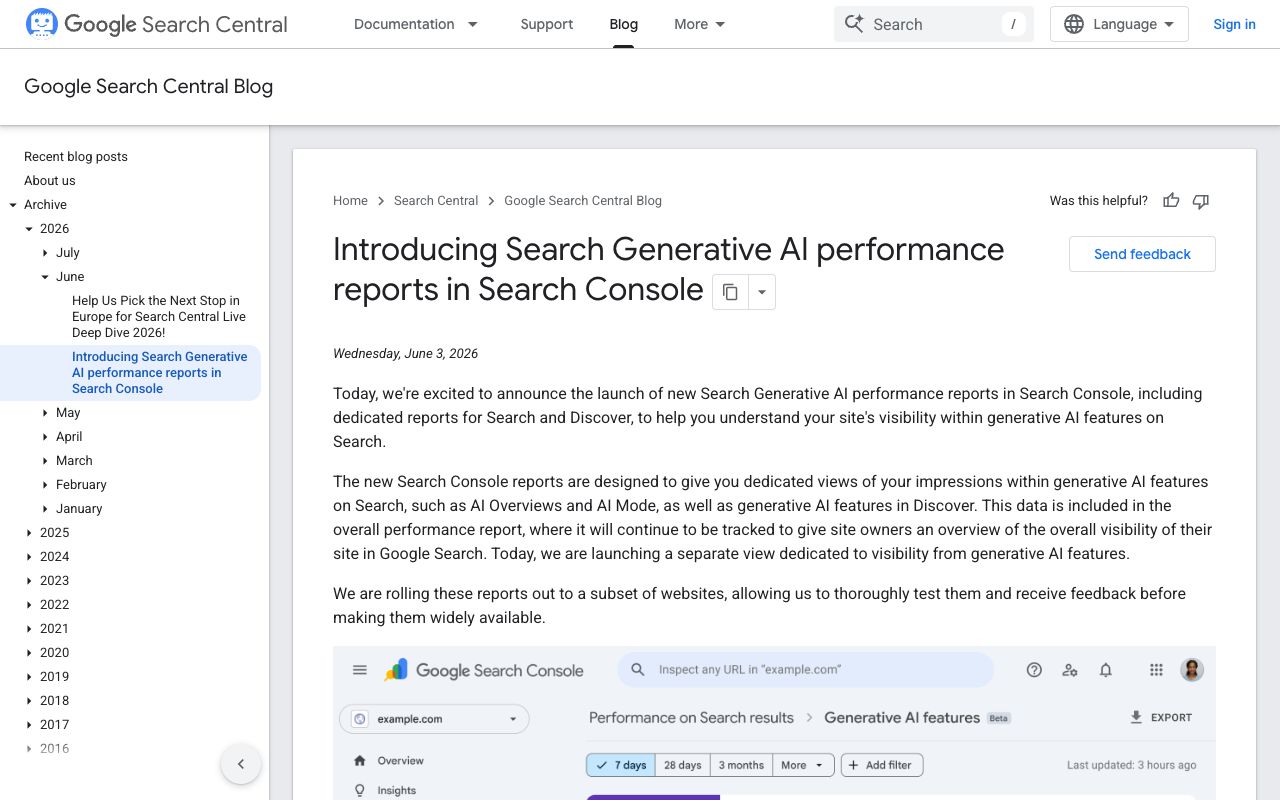
Google Search Console's generative AI performance report. Google announced it on the Search Central blog on June 3, 2026. Read the help documentation before you plan around it: the report shows impressions only — no clicks, no position, no queries — and it merges AI Overviews and AI Mode into one combined figure. Google also notes it is still rolling out, so not every property has it.
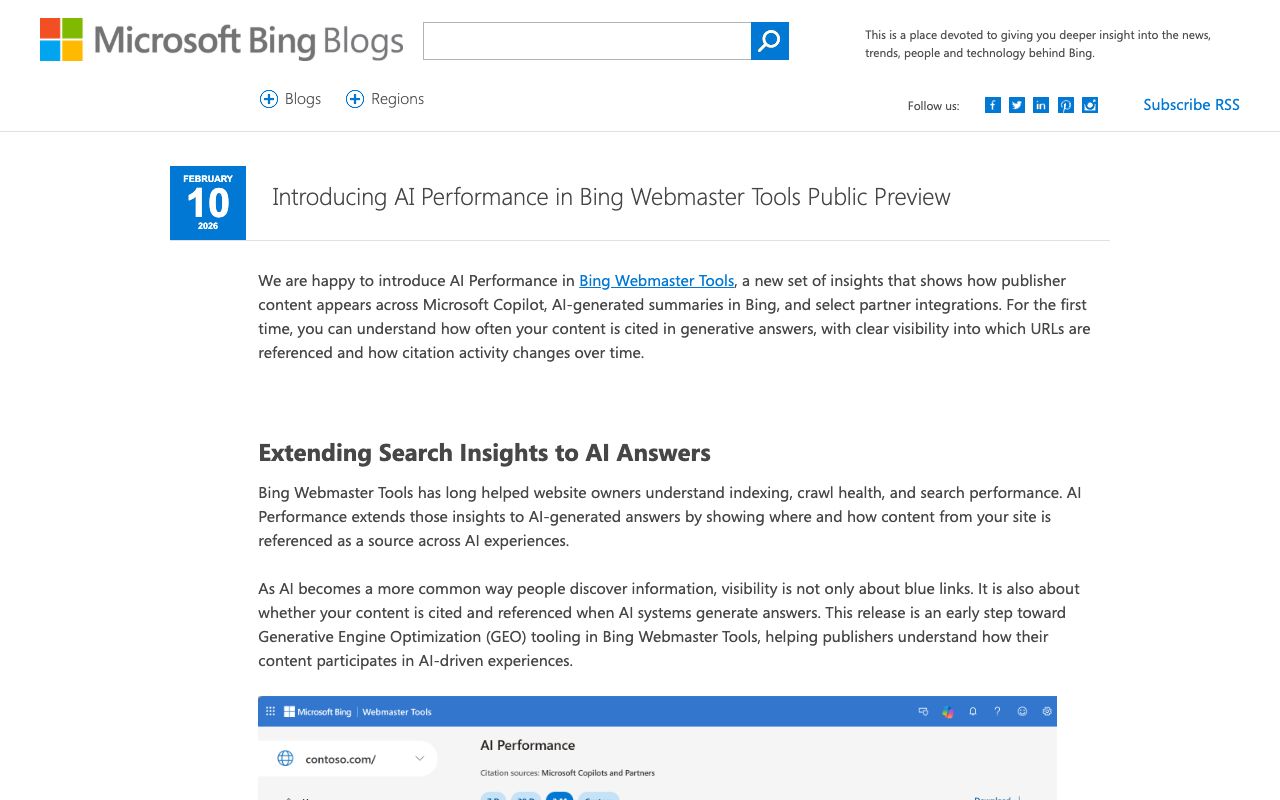
Bing Webmaster Tools AI Performance. Microsoft's public preview, announced February 10, 2026, is the more literal citation report of the two. Per the Bing Webmaster Blog, it shows total citations, average cited pages per day, page-level citation counts, and the grounding queries that pulled your content into Copilot, Bing's AI summaries and partner surfaces. It costs nothing.
Neither console tells you what ChatGPT or Claude did, so add a manual log. Write down ten prompts a buyer would type, run them in each engine on the first Monday of the month, and record three columns: engine, whether you were cited, and which domains were cited instead. Twenty minutes, zero dollars, and that is genuinely how to track AI citations until a subscription pays for itself.
Two housekeeping checks belong in the same session, because a page that engines cannot fetch or find will never be cited: run the URL through our free index checker, and publish a machine-readable content map with the llms.txt generator.
Otterly.ai Lite, $29 a month. The cheapest credible paid tier in the category. Otterly's pricing page lists Lite at $29/month for 15 search prompts with daily tracking, $25/month on annual billing, including link citation analysis. Read the engine list carefully: Lite covers ChatGPT, Google AI Overviews, Perplexity and Microsoft Copilot, while Claude, Gemini and Google AI Mode are paid add-ons. There is no free tier, only a trial, and the next tier up is $189/month.
Which AI Brand Citation Tracking Tools Fit a Marketing Team?
AI brand citation tracking starts where the creator stack stops. Here the unit is the brand and the category, not the URL, and the deliverable is a weekly or monthly comparison someone else has to read. The requirements shift accordingly: a defined competitor set, the cited-source list broken out per engine, coverage of the countries you sell in, sentiment attached to each answer, and export that survives a leadership meeting.
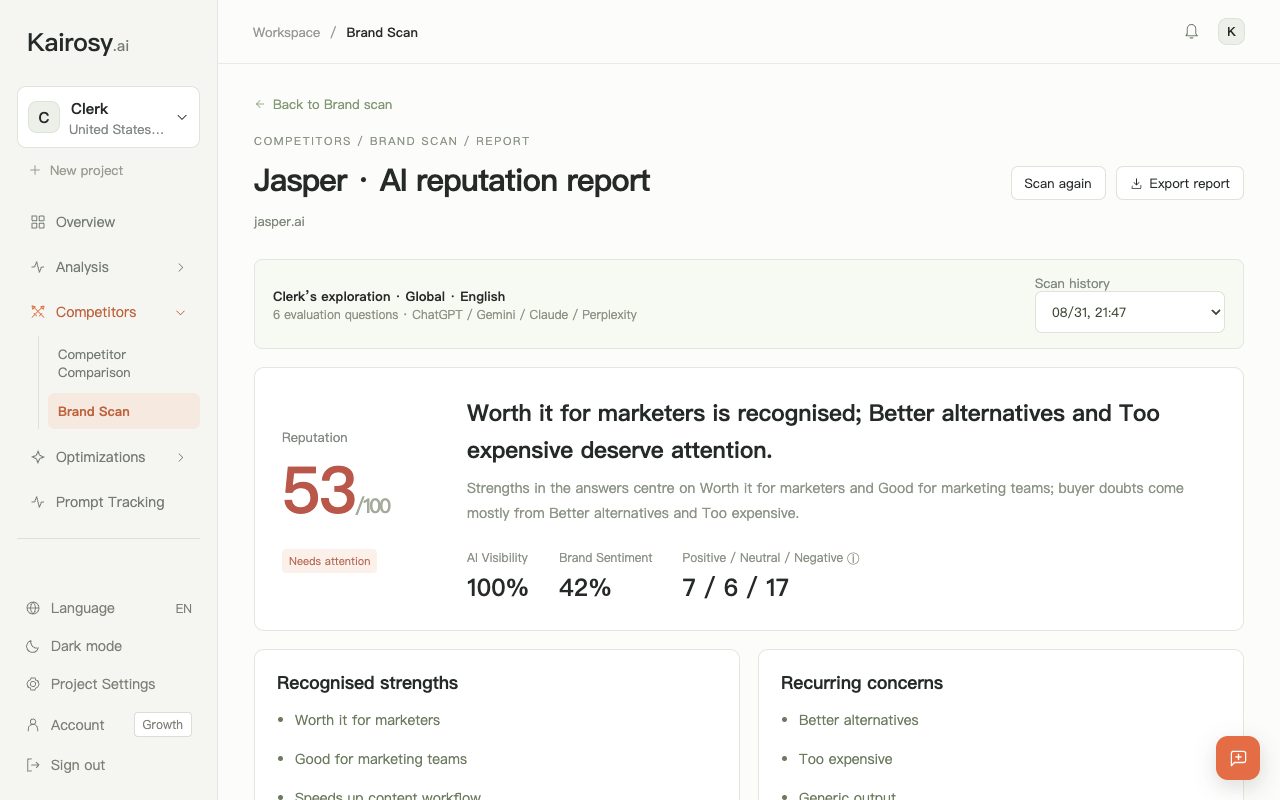
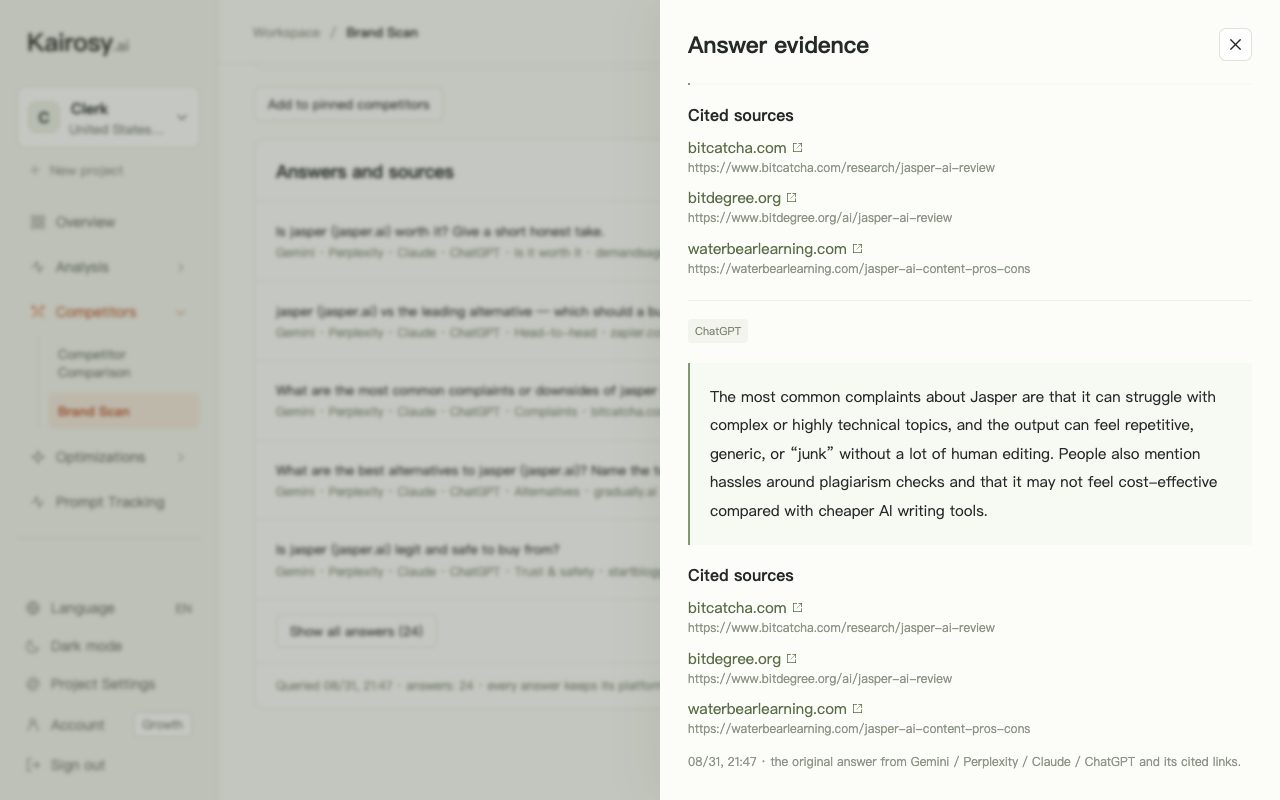
Kairosy. Ours, so the honest framing: it is an AI visibility and reputation scanner, not a rank tracker and not a backlink tool. It asks each of ChatGPT, Gemini, Claude and Perplexity a set of purchase questions about your brand, scores sentiment, and — the part relevant here — prints the sources every engine cited beneath each answer, per brand and per market across 25 countries. The first 7 days are free with no card. Paid plans run $29, $99 and $399 a month, adding weekly rescans with email alerts and daily prompt tracking. If your job is watching a brand rather than a page, start with AI brand monitoring.
Peec AI. European, clean interface, popular with agencies. Its site describes tracking of brand mentions, impressions and sentiment across ChatGPT, Perplexity and Gemini, plus the sources engines cite and a competitor comparison. One caveat for a budget guide: Peec's pricing page renders its numbers client-side and the tiers (Starter, Pro, Advanced, Enterprise) show without figures in the page source, so I will not quote a price. Start the trial or ask sales, and ignore the third-party blogs quoting euro figures they cannot source.
SE Ranking AI Search add-on. The sensible pick if you already run classic SEO reporting in one place. SE Ranking's subscription page lists Core at $129/month and Growth at $279/month on monthly billing, with the AI Search add-on at $89/month ($71.20 on annual). The AI Visibility Tracker covers Google AI Overviews, AI Mode, ChatGPT, Gemini and Perplexity, and reports which domains and URLs the answers pulled from. There is also a free quick checker capped at five attempts a day.
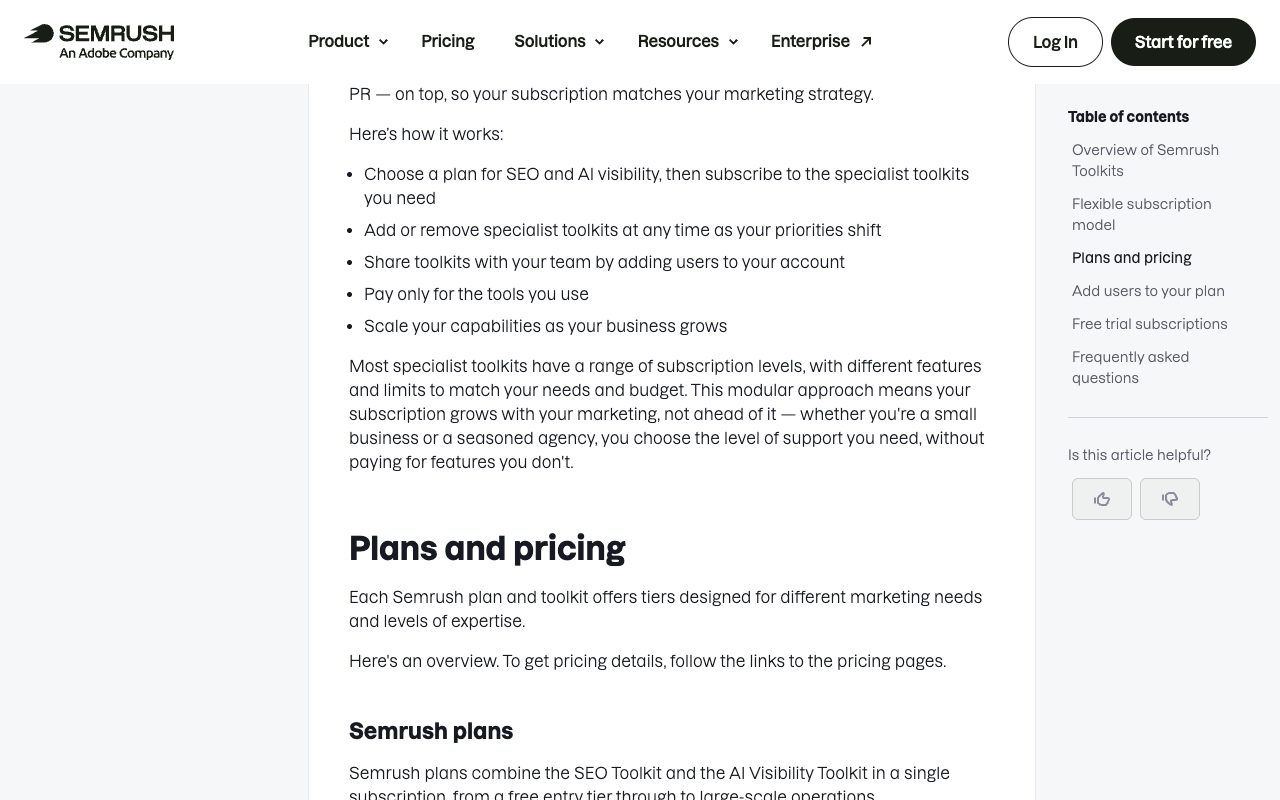
Semrush AI Visibility Toolkit. Sold standalone at $99/month billed annually, per domain, covering 25 custom prompts with daily AI rankings and 300 reports a day across ChatGPT, Google AI, Gemini and Perplexity. Per domain is the number to watch — a three-brand portfolio is three subscriptions. Bundled Semrush One plans on the main pricing page list at $199, $299 and $549 a month.
Ahrefs Brand Radar. Ahrefs' pricing page shows Lite at $129, Standard at $249 and Advanced at $449 a month, with Brand Radar listed under what is included in each. Custom prompt tracking and the larger brand database sit behind a Brand Radar AI add-on starting at $199/month, so treat the entry plan as awareness, not measurement.
| Brand-band option | Entry price (checked Aug 5, 2026) | What that price includes |
|---|---|---|
| Kairosy | Free for 7 days; $29 Basic | 4 engines, cited sources per answer, sentiment, 25 markets on paid |
| SE Ranking AI Search | $89/mo add-on + plan from $129/mo | 5 AI surfaces, domain and URL level source reporting |
| Semrush AI Visibility Toolkit | $99/mo annual, per domain | 25 prompts tracked daily, 300 reports/day, 4 engines |
| Ahrefs Brand Radar AI | from $199/mo add-on + plan from $129/mo | Custom prompt tracking, expanded brand database |
| Peec AI | Not published on the site | ChatGPT, Perplexity, Gemini; sources, sentiment, competitors |
What Do Ecommerce and Finance Businesses Need at Enterprise Scale?
At this level the requirement stops being marketing reporting. Ecommerce teams need category-level coverage — thousands of prompts across product classes, not fifty brand prompts — plus visibility into what AI agents and crawlers do on the site itself. Trading and finance teams need something closer to compliance: proof that answers describing your product cite current, correct sources, logged with dates.
That 31% sourcing-error rate in the EBU study is the whole argument for the finance case. If an assistant explains your fee schedule while citing a three-year-old comparison page, the wrong source is the incident.
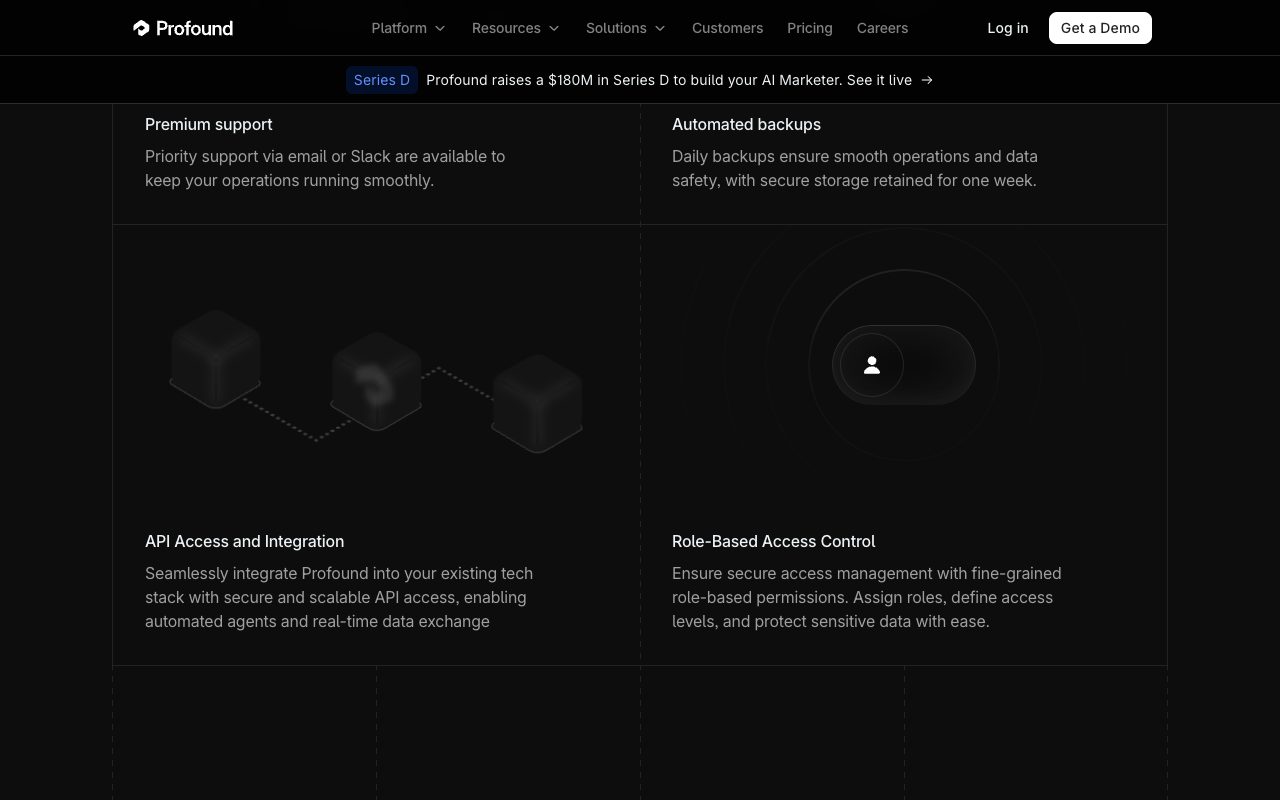
Profound. The clearest sales-led story. Its pricing page (checked September 24, 2026) no longer lists self-serve tiers for brands: there is a free Trial, 50 prompts run daily for 7 days on ChatGPT, Gemini and Google AI Overviews with limited agent credits, and Enterprise on custom pricing, reaching up to nine engines with SSO/SAML and SOC 2. The only listed prices sit on its agency tab: Agency Growth at $99/month, with each full client workspace a $399/month add-on. For what brands actually sign, Vendr's anonymized buyer data (a third-party source) puts the median contract at $34,500 a year, in a $27,500 to $57,500 range.
Brandwatch Search Intelligence. The consumer-intelligence class, for organizations already running social listening. Its product page offers to "monitor how leading LLMs cite your brand and competitors across thousands of prompts worldwide," spanning Google, Amazon, TikTok, Baidu and generative engines. No pricing is published on the site — it is demo-and-quote.
Suite upgrades are the other route: Ahrefs Enterprise lists at $1,499/month on an annual commitment, and Semrush's Advanced tier at $549/month, both with AI visibility folded in. Whichever way you go, tie it back to a specific category. Kairosy's public scan of Ecwid's AI performance is a small version of the exercise: one ecommerce brand, four engines, the cited sources listed under each answer, which is exactly the artifact a category audit produces a thousand times over.
How Do You Avoid Overpaying for AI Citation Tracking?
Five traps account for most of the wasted spend in this category.
- Headline prices that assume annual billing. Semrush's $99 toolkit, for one, is quoted on yearly terms. Month-to-month costs more.
- Per-domain licensing. Fine for one brand, brutal for a portfolio. Semrush's AI Visibility Toolkit is priced per domain.
- Engines sold as add-ons. Otterly's $29 tier does not include Claude, Gemini or Google AI Mode, and Profound's free Trial stops at ChatGPT, Gemini and Google AI Overviews, with Perplexity and Claude reserved for Enterprise.
- Prompt caps versus response counts. Fifteen prompts checked daily is a very different dataset from 100 checked weekly. Compare responses per month.
- "Citations" that are only mentions. If the vendor cannot show you the exact URLs behind an answer, you bought mention tracking at citation prices.
One more sequencing note: measuring is cheap, moving the number is not. Once you know which domains the engines trust in your category — our breakdown of the most cited AI sources is a useful starting map — the work shifts to earning placement on them, which is where AI reputation management takes over from tracking.
AI Content Citation Tracking Tools FAQs
How do I track citations to my site in AI results for free?
Use both free consoles plus a manual log. Bing Webmaster Tools reports actual citation counts and grounding queries for Copilot and Bing AI answers; Search Console reports impressions in Google's generative features but no clicks or queries. Neither covers ChatGPT or Claude, so run ten prompts by hand each month and record who got cited instead of you.
What is the cheapest AI citation tracking tool for content creators?
Among paid products, Otterly.ai's Lite plan at $29/month ($25 on annual) is the lowest verified entry point, and it includes link citation analysis for 15 prompts. Kairosy's free trial is the other option if you want the whole four-engine answer set with sources for 7 days rather than a small prompt list daily.
How often should I check AI citations?
Monthly for a personal site, weekly for a brand in a contested category, daily only if a launch, a pricing change, or a reputational incident is in flight. Answers drift between runs even without model updates, so a single check is a snapshot, not a baseline.
Does AI search citation source tracking work per country?
Only if the vendor supports it explicitly. Engines answer the same prompt differently by locale, and cited sources shift with it. Kairosy runs market-specific scans across 25 countries on paid plans, and SE Ranking and Profound both handle multi-region setups; the cheapest tiers of most tools assume one market.
Do these tools replace Search Console?
No. Answer-side trackers tell you what engines said and cited; Search Console and Bing Webmaster Tools tell you what your own property recorded. The first explains the narrative, the second confirms the traffic. Teams running AI content citation tracking tools seriously keep both open.
See what AI says about your brand
Run a free scan across ChatGPT, Gemini, Claude & Perplexity in about 30 seconds.
Run my free scan