GEO Strategy in 2026: Who on Your Marketing Team Owns What
A GEO strategy is a staffing decision before it is a content decision. The signals that decide whether ChatGPT, Gemini, Claude, or Perplexity name your brand are produced by four different teams — social, SEO, community, and sales — and in most companies none of them report to each other.
That is why so much geo digital marketing work stalls. It gets handed to whoever owns organic search, that person ships schema and a few FAQ blocks, and the visibility number barely moves because the biggest signals were never theirs to move.
This guide gives you the org chart: a 90-day plan with named owners, the specific plays each team runs, and what every team reports back.
Why Does a GEO Strategy Stall When One Team Owns It?
Because the inputs are scattered. An AI assistant assembles an answer from whatever it has absorbed about you: third-party articles, video transcripts, forum threads, review profiles, your own pages, and the structured data underneath them.
Your SEO lead controls maybe a third of that. The rest sits with the people who publish on YouTube and LinkedIn, the people who answer questions in communities, and the people who hear objections on sales calls all day.
The fix is not a bigger SEO backlog. It is four workstreams with four owners and one shared scoreboard, which is the structure the rest of this post lays out.
Which Signals Does a GEO Strategy Have to Move?
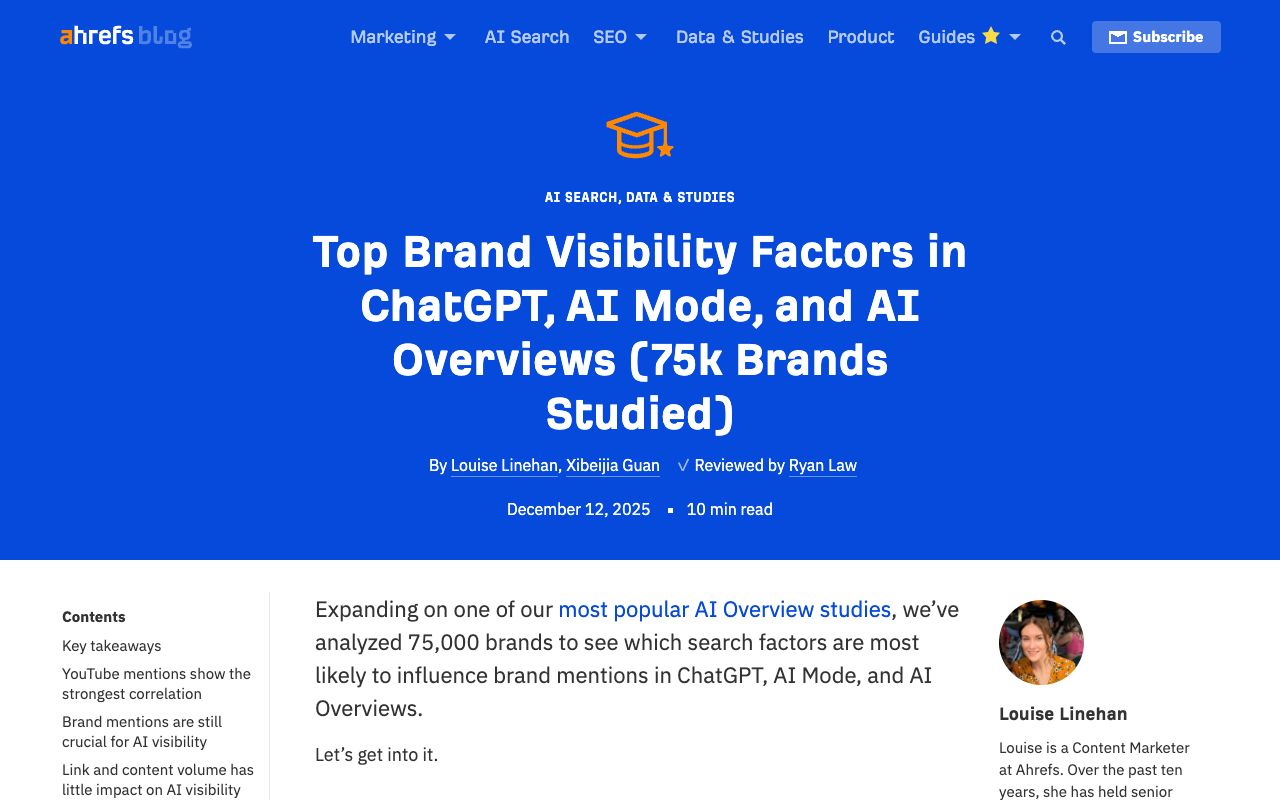
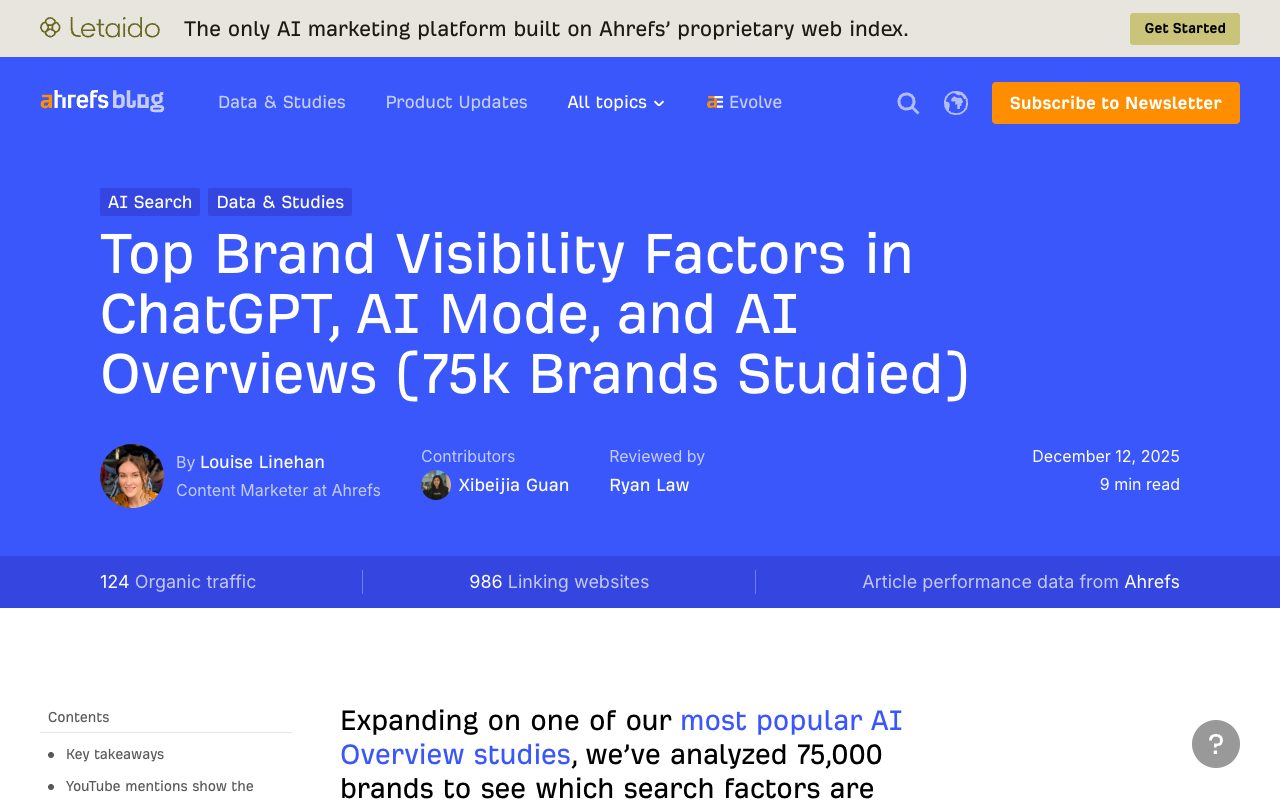
Ahrefs published a correlation study on December 12, 2025 covering 75,000 brands, scoring signals against measured AI visibility in ChatGPT, Google AI Mode, and AI Overviews. The ranking is uncomfortable for anyone who budgets purely for links.
| Signal | Reported correlation with AI visibility (ChatGPT) | Team that actually moves it |
|---|---|---|
| YouTube mentions | 0.737 (0.740 in AI Mode, 0.712 in AI Overviews) | Social / video |
| Branded web mentions | 0.664 | PR + off-page SEO |
| Branded anchor text | 0.511 | Off-page SEO |
| Branded search volume | 0.352 | Brand / demand gen |
| Domain Rating | 0.266 | SEO |
| Backlinks / URL Rating | "Very weak" — Ahrefs' own wording, no headline figure given | Off-page SEO |
Source: Ahrefs, "Top Brand Visibility Factors in ChatGPT, AI Mode, and AI Overviews", December 12, 2025. Ahrefs states plainly that correlation is not causation — launching a channel does not trigger citations. Read it as a map of where attention lives, not a recipe.
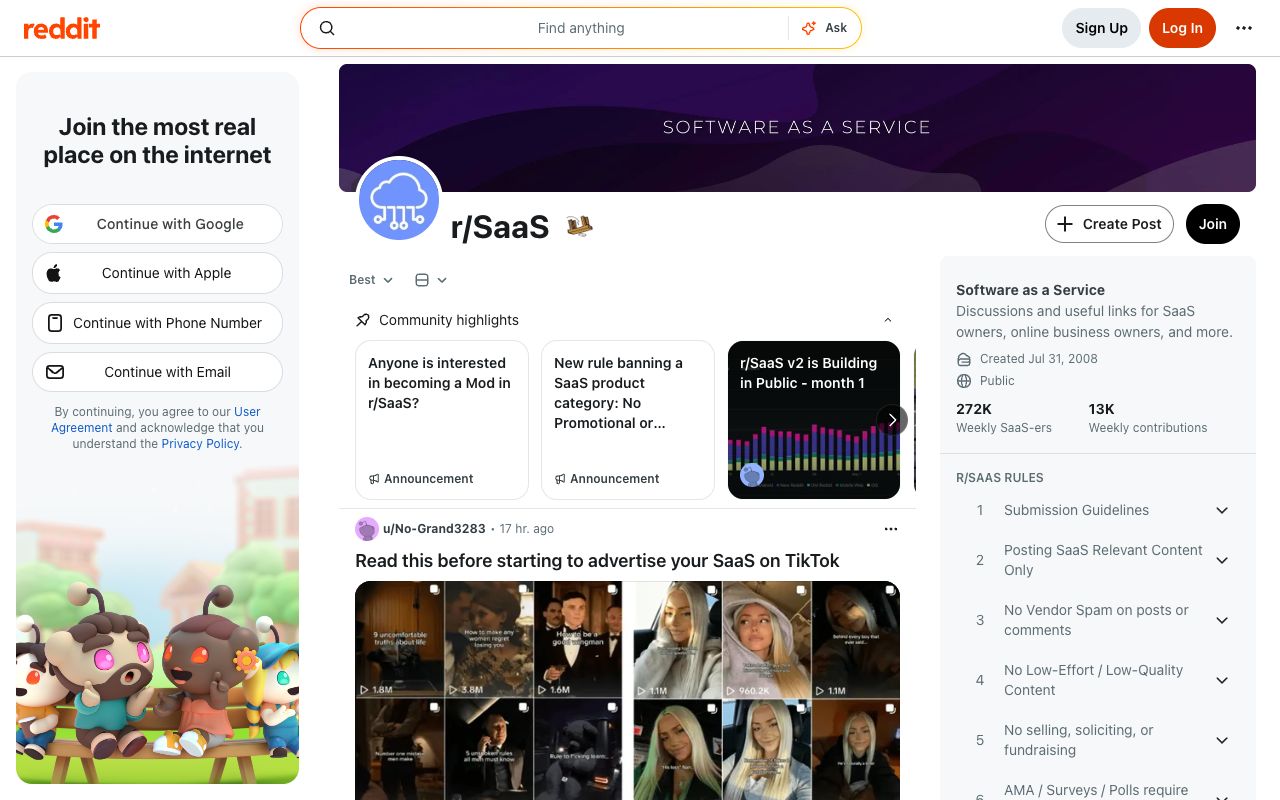
The second input is where answers get sourced. Semrush analyzed 230,000 prompts across ChatGPT Search, Google AI Mode, and Perplexity between July 14 and October 12, 2025 and published the results on November 10, 2025. Reddit appeared in roughly 60% of ChatGPT responses in early August, then collapsed to about 10% by mid-September — a two-week swing driven by the platform, not by anything brands did.
A May 11, 2026 citation audit from 5W Public Relations, synthesizing nine datasets, put Wikipedia at 13.15% and Reddit at 11.97% of U.S. ChatGPT citations, with LinkedIn climbing from #11 to #5 in three months. The Wall Street Journal, The New York Times, and Bloomberg did not make the top 20.
Two conclusions for your plan. Community platforms carry real weight, and their weight is volatile — so no single channel is a strategy, and every team needs its own measurable slice.
What Does a 90-Day GEO Roadmap Look Like?
Here is a GEO roadmap you can drop into a project tracker on Monday. Each row has one accountable owner and one signal you check, so nothing lands in the gap between two teams.
| Phase | Owner | Output | Signal you watch |
|---|---|---|---|
| Days 1–15: baseline | SEO lead | 25–50 buyer questions, first multi-engine scan, GEO audit | Visibility %, sentiment split, list of cited domains |
| Days 10–30: technical fixes | Engineering | Crawler access, schema, llms.txt, render checks | AI crawler hits in logs, schema validation pass |
| Days 20–60: on-page rebuild | SEO + content | Comparison, pricing, and alternatives pages with direct answers | Own-domain citations per engine |
| Days 30–75: social presence | Social / video | YouTube walkthroughs, LinkedIn posts, creator briefs | YouTube and LinkedIn mentions of the brand |
| Days 30–90: earned + community | PR + community | Third-party listicle placements, forum answers, review profiles | Count of distinct cited domains that mention you |
| Days 60–90: sales loop | Sales + product marketing | Objection FAQ, disqualification page, pricing clarity | Sentiment on objection prompts |
| Day 90: readout | Head of marketing | Quarterly review, next quarter's owners | Visibility and share of voice vs day 1 |
Two rules keep this GEO roadmap honest. Nothing starts before the day 1–15 baseline exists, because without it you cannot prove any of the later work paid off. And overlapping date ranges are deliberate — these teams work in parallel, not in a relay.
Which Technical GEO Factors Belong to Engineering?
Keep this section short on purpose. The technical GEO factors — bot allowlists in robots.txt and your WAF, server-side rendering of content you want quoted, clean Organization and Product schema, canonical entity naming, and an llms.txt file — are engineering work with a marketing sponsor, not marketing work with an engineering favor.
Marketing's job here is to file the ticket with acceptance criteria and verify the result. Two free checks get you most of the way: run your markup through the schema markup checker and generate a starting file with the llms.txt generator.
For the full build — crawler access, rendering, structured data, and CI checks that stop regressions — hand your engineers the GEO implementation guide for technical teams. If you want the gaps found for you first, an AI-ready audit produces the ticket list. A technical GEO strategy that stays inside the marketing team usually ships schema and stops there.
How Should the Social Team Build GEO Signals?
Given that YouTube mentions topped the Ahrefs correlation table, the social team is not a supporting act here. Their target is presence on the platforms assistants lean on when they summarize a category.
- YouTube: publish a product walkthrough, a setup tutorial, and one honest comparison video per core use case. Transcripts are text, and text is what gets absorbed.
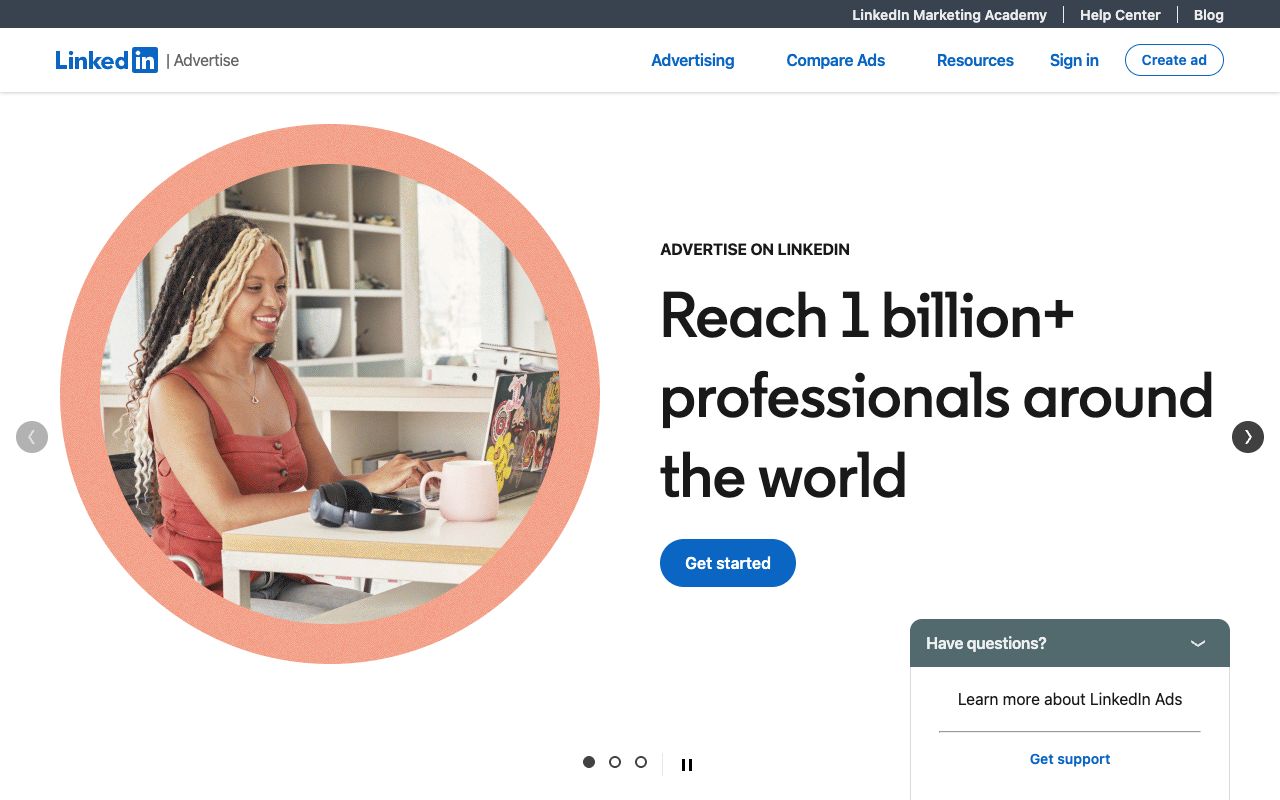
- LinkedIn: post substantive breakdowns from named people, not reshared blog links. The 5W audit above reports LinkedIn showing up in 14.3% of ChatGPT Search responses in a Semrush analysis of 325,000 prompts, and personal posts carry the entity name.
- Reddit: participate where your category already gets discussed, with a labeled affiliation. Astroturfing gets caught, and the subreddit ban is worse than the invisibility.
- Creator briefs: give partners a one-page fact sheet with correct pricing, plan names, and positioning so their videos do not spread stale numbers.
Their reporting line is simple: number of new third-party videos and posts that mention the brand, plus the change in how often social domains show up in your citation list.
What Should the SEO Team Own On-Page and Off-Page?
On-page, the SEO team's job shifts from ranking a page to making a passage quotable. That means an answer in the first two sentences under each heading, headings phrased as the questions buyers type, one claim per paragraph, and tables for anything an assistant would otherwise have to infer.
Three page types earn their keep because assistants get asked for them constantly: "X vs Y" comparisons, "best tools for [job]" roundups where you are one honest entry, and a pricing page that states real numbers instead of "contact us."
Off-page, the goal changes shape. You are not chasing domain authority — you are trying to appear on the specific domains that already get cited in your category. Pull the cited-source list from your scans, sort by frequency, and treat the top 20 as a PR target list. A mention on a domain an engine already trusts beats ten links from domains it never quotes.
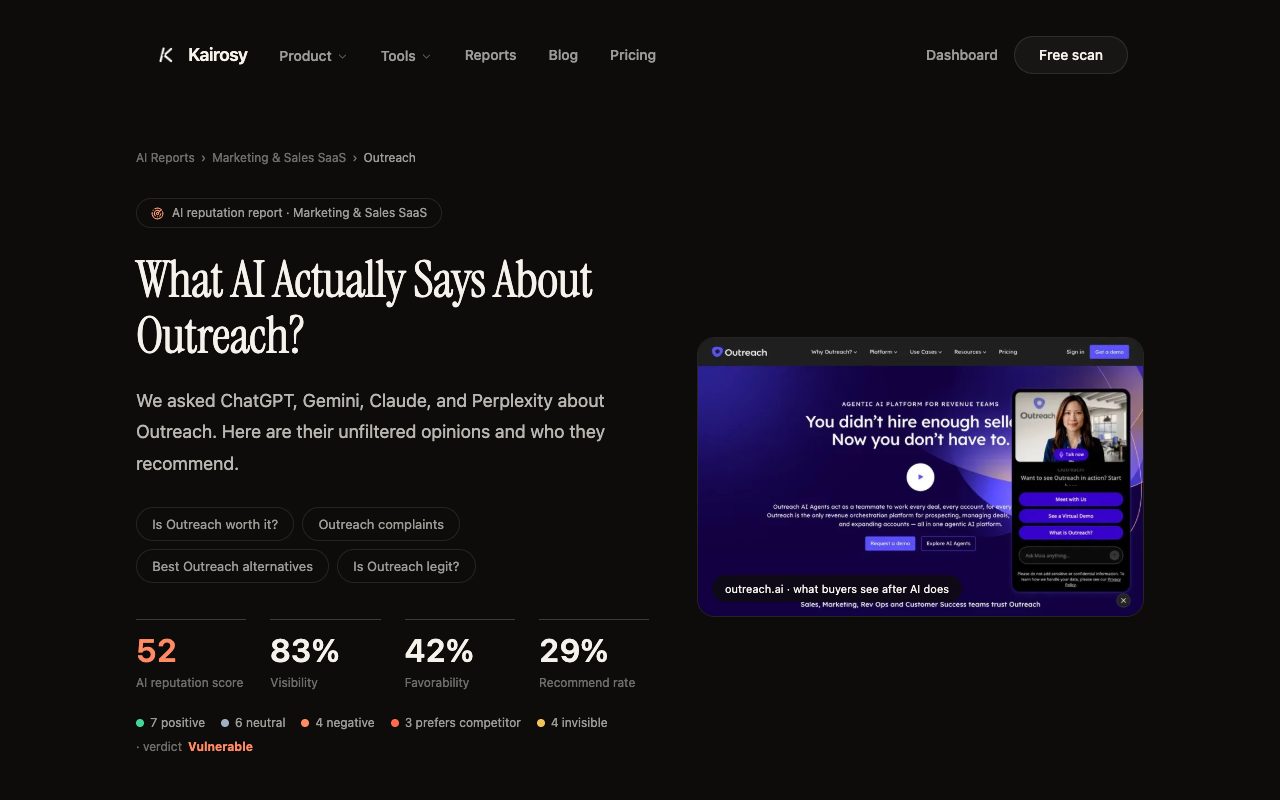
Kairosy's public scan of Pipedrive is a useful shape to copy: it shows which engines mention the brand, how each answer reads, and which sources the engines pulled from. That last column is the PR target list, made for you.
How Does the Community Team Earn Forum and Wikipedia Citations?
Given how much weight Reddit and Wikipedia carry in the citation data above, the community team has the highest-leverage and highest-risk job in your GEO strategy.
The forum play is unglamorous. Find the threads that already rank for your buyer's question, answer them properly with your role disclosed, and link only when the link genuinely answers the question. One thorough answer that stays upvoted for two years outperforms fifty drive-by comments that get removed.
Wikipedia is a different discipline entirely. You do not write your own article. What you can legitimately do is help build the independent, secondary sourcing that a notable subject needs — real trade press coverage, analyst mentions, published research — and then suggest corrections on an article's talk page with your affiliation declared, exactly as Wikipedia's conflict-of-interest guideline requires. Editing your own entry directly gets reverted and can get the article locked.
Also budget for the boring surfaces: G2 and Trustpilot profiles, Stack Exchange answers where relevant, and category directories. They are frequently quoted and rarely staffed.
Why Should the Sales Team Feed Objection Language Into GEO Content?
Sales is the team nobody invites, and it holds the most valuable raw material: the exact wording of what buyers are worried about.
Run a monthly 30-minute session. Ask two questions — what did prospects say we could not do, and what did we lose to and why. Then convert the answers into three assets.
- An objection FAQ that answers the hard version of the question, not the softened one.
- A "who this is not for" page. Assistants reward stated limits, and it filters bad-fit demos.
- Competitor comparison pages that concede what the competitor genuinely does better.
The return flows both ways. When your monitoring shows an assistant repeating a false limitation — a missing integration you shipped last year, a price you no longer charge — that is a sales objection appearing at scale, and the rep loop is how you find out which of them actually cost deals.
Which GEO Tools Fit Each Team, and How Does Pricing Compare?
Map tools to the four workstreams instead of buying one platform and hoping it covers everyone. Prices below were checked on vendor pricing pages in August 2026.
| Team | Job to be done | Tool | Price |
|---|---|---|---|
| All four (shared scoreboard) | Multi-engine visibility, sentiment, cited sources, weekly rescans | Kairosy | Free 7-day trial, Basic $29/mo, Pro $99/mo, Growth $399/mo |
| SEO (on-page) | Schema validation, llms.txt, crawler checks | Kairosy free tools | Free, no account for single checks |
| SEO (off-page) | Branded mention tracking, Brand Radar | Ahrefs | Starter $29/mo, Lite $129/mo, Standard $249/mo, Advanced $449/mo. Brand Radar AI is a separate add-on from $199/mo |
| SEO (suite users) | AI visibility inside an existing SEO stack | Semrush | SEO $117.33/mo, Starter $165.17/mo, Pro+ $248.17/mo, Advanced $455.67/mo (billed annually) |
| Social + content | Prompt-level tracking across answer engines | Profound | Free 7-day trial; Enterprise custom (sales-led) |
| Social + content (lighter) | Daily prompt tracking, 4 engines | Otterly.AI | Lite $29/mo, Standard $189/mo, Premium $489/mo |
| Community | Reddit, Hacker News, and forum mention alerts | Syften | Entry $29.95/mo, Standard $49.95/mo, Pro $119.95/mo, 14-day trial |
| Sales | Call recording and objection mining | Gong | Quote-based: per-user licenses plus a platform fee |
One caution before you copy an older tool list: GummySearch, the Reddit research tool that appears in most GEO roundups, states on its own site that it closed as of November 30, 2025. Check that every tool in a recommendation post is still trading.
Kairosy sits in the "shared scoreboard" row on purpose. It is not a rank tracker or a backlink index — it runs buyer questions through ChatGPT, Gemini, Claude, and Perplexity, classifies how each answer talks about you, records which URLs the engines cited, and tracks the trend week over week through AI brand monitoring. Prompt tracking runs daily, and paid plans scan country-specific markets across 25 countries. Every team above reports against the same four numbers: visibility, share of voice, sentiment, and cited sources.
How Is a GEO Strategy for B2B Different?
A GEO strategy for B2B has fewer prompts and higher stakes per prompt. Nobody asks an assistant for "best procurement software" ten million times a month, but the person who does ask is often building the shortlist that becomes an RFP.
Three practical adjustments. Track job-title-specific phrasings, since a CFO and an IT director ask about the same product in different words. Weight your community effort toward the niche forums and Slack groups your buyers actually read rather than the biggest subreddits. And make security, compliance, and integration facts explicit on-page, because those are the details an assistant will otherwise guess at or omit.
The reporting cadence also differs. B2B cycles are long enough that a monthly readout beats a weekly panic, but you still want the underlying scan running weekly so a sentiment drop does not sit undetected for three weeks.
What Do Marketing Teams Ask About GEO Strategy? FAQs
What is a GEO roadmap, and how long does it take to show results?
A GEO roadmap is a phased plan that assigns each generative-engine workstream to a named owner with a measurable output. Technical fixes can register within days once crawlers re-fetch your pages. Earned mentions and social signals typically take a full quarter, which is why 90 days is the standard first cycle.
Is geo digital marketing the same as local SEO?
No, and the acronym collision causes real confusion. In this context GEO means generative engine optimization — getting your brand into AI-generated answers. Geographic or local SEO is about ranking in a place. They overlap only when you optimize country-specific answers, which is a market segmentation question rather than a map-pack one.
Who should own the technical GEO strategy?
Engineering owns the implementation, marketing owns the requirements and the verification. A technical GEO strategy written by marketers alone tends to stop at schema markup and miss the crawler-access and rendering problems that block everything else.
What does a GEO strategy for B2B cost to run?
Tooling is the smaller line item. A visibility scanner plus a community alerting tool runs in the low hundreds per month at the prices listed above. The real cost is people time: roughly one day a week each from social, SEO, and community, plus a monthly hour from sales.
How often should each team report GEO results?
Weekly for the shared scan, monthly for the per-team readout, quarterly for the strategy review. Anything more frequent turns normal engine volatility into false alarms — the Semrush data above showed a top-cited domain swinging 50 points in two weeks with no brand-side cause.
Do we need all four teams from day one?
No. Start with the baseline scan and the technical fixes, since those two unblock everything else. Add social and community in month two once you know which domains and platforms are already being cited in your category, so their effort lands where it counts.
See what AI says about your brand
Run a free scan across ChatGPT, Gemini, Claude & Perplexity in about 30 seconds.
Run my free scan