Monitoring ChatGPT Brand Strategies by Scope (2026 Guide)
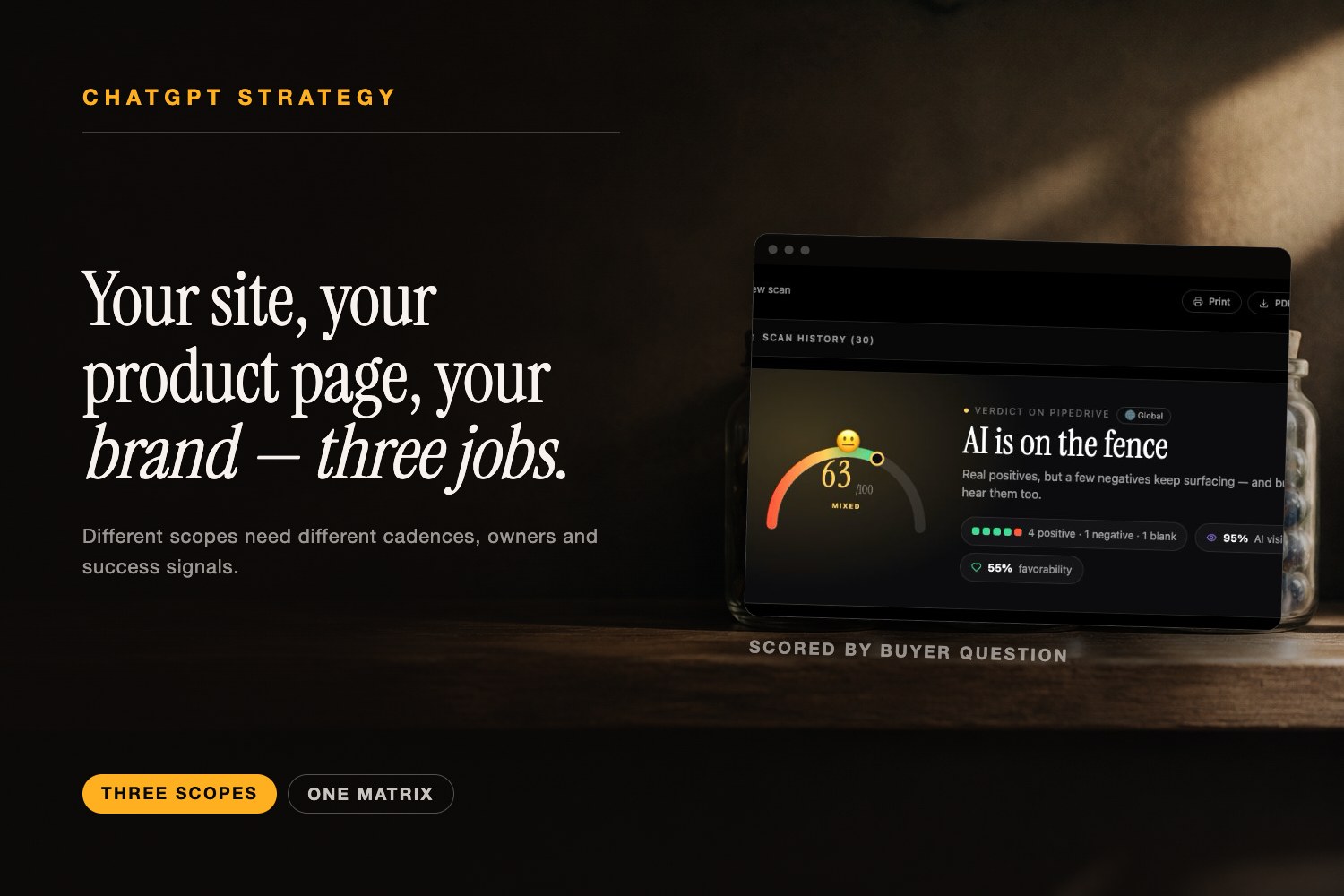
Most monitoring ChatGPT brand strategies collapse into one habit: somebody opens ChatGPT, types the category question, screenshots a flattering answer, and drops it in Slack. That tells you almost nothing, because ChatGPT touches your business at three separate altitudes, and each altitude breaks differently.
Your site either gets fetched or it doesn't. Your product pages either hand over accurate price and availability or they don't. And your brand either lands in the recommendation set or a rival takes the slot. Three jobs, three cadences, three owners — separated below, each with its own plan and the tools that actually cover it.
What Do Monitoring ChatGPT Brand Strategies Have to Cover in 2026?
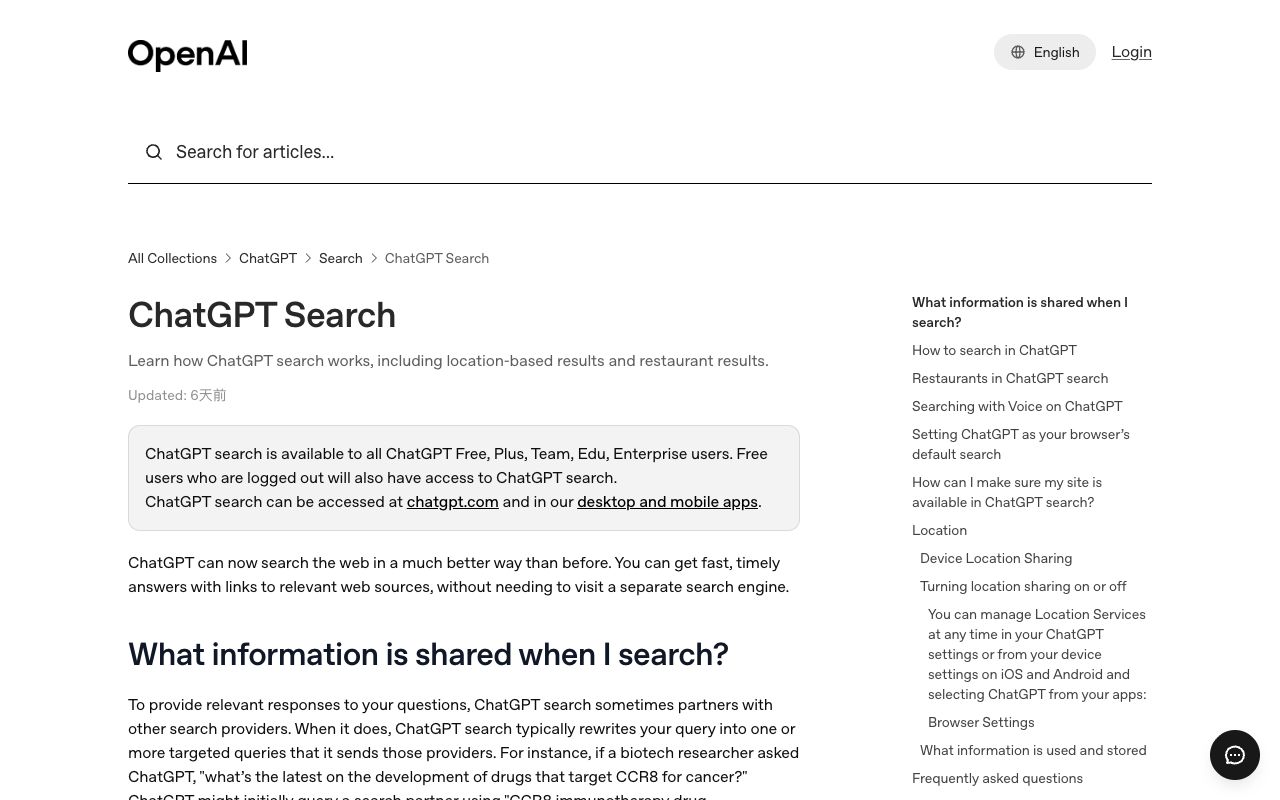
Start with where the words in an answer come from. There are two pipes. One is the model, carrying whatever it absorbed in training. The other is live retrieval — OpenAI's help center describes ChatGPT search as leaning on third-party search providers plus content supplied directly by partners, and notes that Enterprise and Edu workspaces currently use Bing as their only third-party provider.
Two pipes means a single spot check is unreadable. An answer that names you might be quoting a page fetched thirty seconds ago, or replaying a pattern learned two years back. You cannot repair either until you know which one produced the sentence.
Attribution is shakier than most teams assume. The Tow Center for Digital Journalism published a study on November 27, 2024 that fed ChatGPT 200 block quotes from 20 publishers and asked it to name the source. It came back partially or entirely wrong 153 times, and admitted it could not answer on only seven occasions. Asking the identical question twice produced different results.
So the working shape of monitoring ChatGPT brand visibility strategies is: sample repeatedly, keep the layers apart, and hand each layer to someone with authority to change it. Those layers are the open web your site lives in, the individual pages carrying commercial detail, and the brand as an entity the model already holds a view on. Never done a manual pass? Run the one-off recommendation check first — everything here assumes you are past that and building something repeatable.
Which Monitoring Strategies Work at the Web-Overview Level?
Scope one answers a single question: can OpenAI reach your site, and does it keep coming back? Nothing downstream matters if the answer is no, and it is the only scope where you hold a hard lever rather than an influence.
OpenAI documents its crawlers separately, and the distinction is the whole game. Per the OpenAI crawler documentation, OAI-SearchBot is "used to surface websites in search results in ChatGPT's search features" and is not used for training. GPTBot crawls "content that may be used in training our generative AI foundation models." ChatGPT-User handles user-initiated fetches, and OpenAI notes robots.txt rules may not apply to it because a person triggered the request.
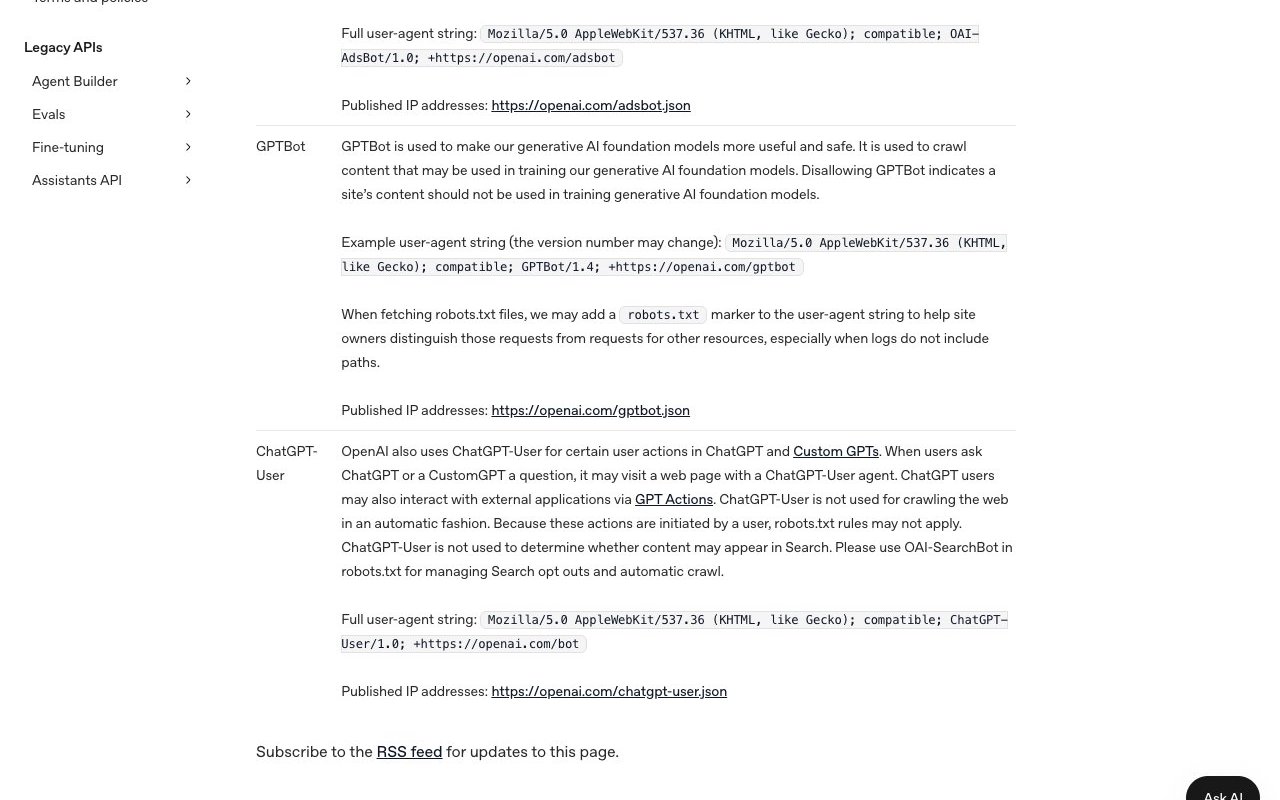
That separation is a real decision, not a technicality. You can refuse training while staying eligible for search results — allow OAI-SearchBot, disallow GPTBot. OpenAI warns a robots.txt edit can take roughly 24 hours to register, so a rushed change plus a same-day check reads as failure when it is just latency.
What to monitor. Requests by user agent at the edge, status codes returned to OAI-SearchBot specifically, any robots.txt diff, and whether crawling IPs match the ranges OpenAI publishes per bot. Bot traffic hitting an over-eager WAF rule is the most common silent failure.
Cadence, owner, signal. Weekly log review with an alert that fires the moment robots.txt changes or error rates to an OpenAI agent jump. Owner is whoever controls the CDN and deploy pipeline, not the content team. Success is narrow and provable: every priority URL fetched at 200 by OAI-SearchBot within days of going live.
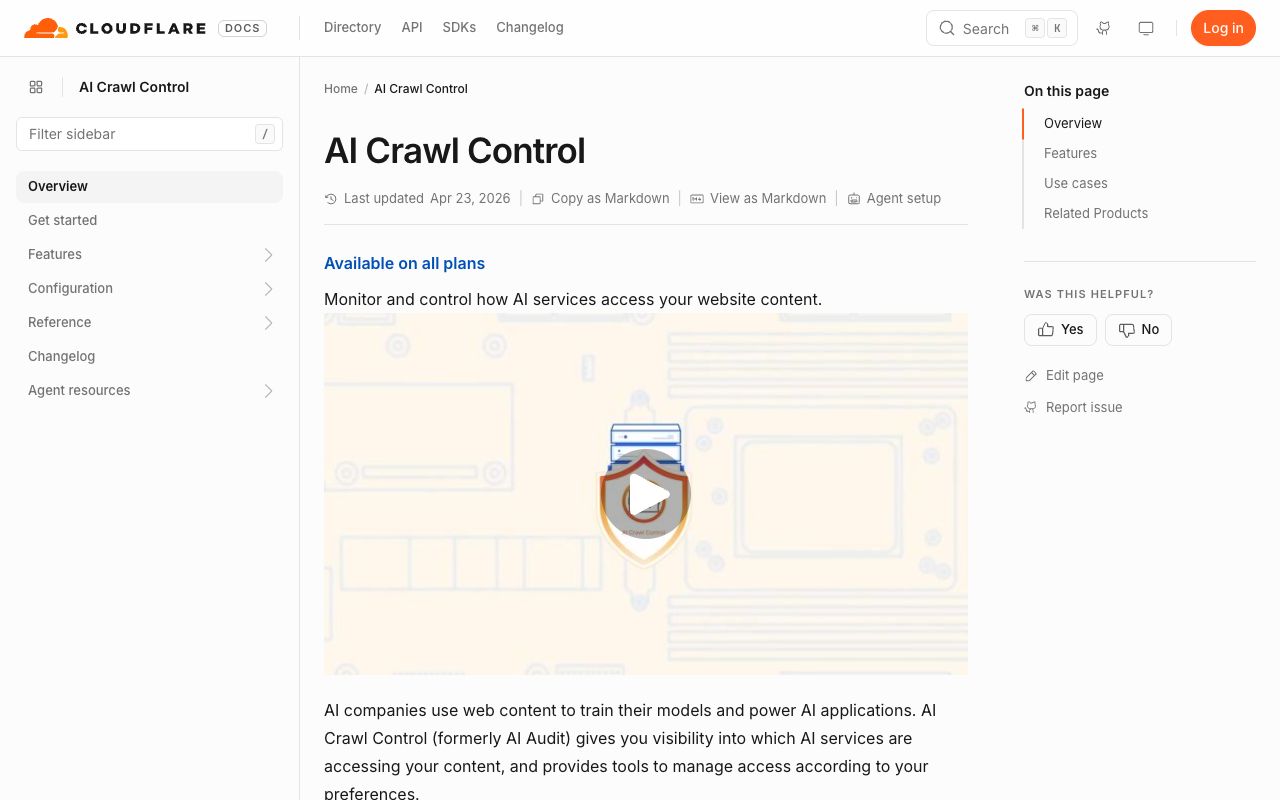
Two things make this cheap. Cloudflare's AI Crawl Control is available on all Cloudflare plans and shows per-crawler request patterns with allow and block rules. Off Cloudflare, our free AI crawl checker tells you in seconds whether your robots.txt currently welcomes or blocks each AI agent.
How Do You Run ChatGPT Monitoring for Product Pages?
Scope two drops from the domain to the URL. The question changes from "can it reach us" to "when someone asks about this exact thing, does our page get cited, and does ChatGPT read out the right price?"
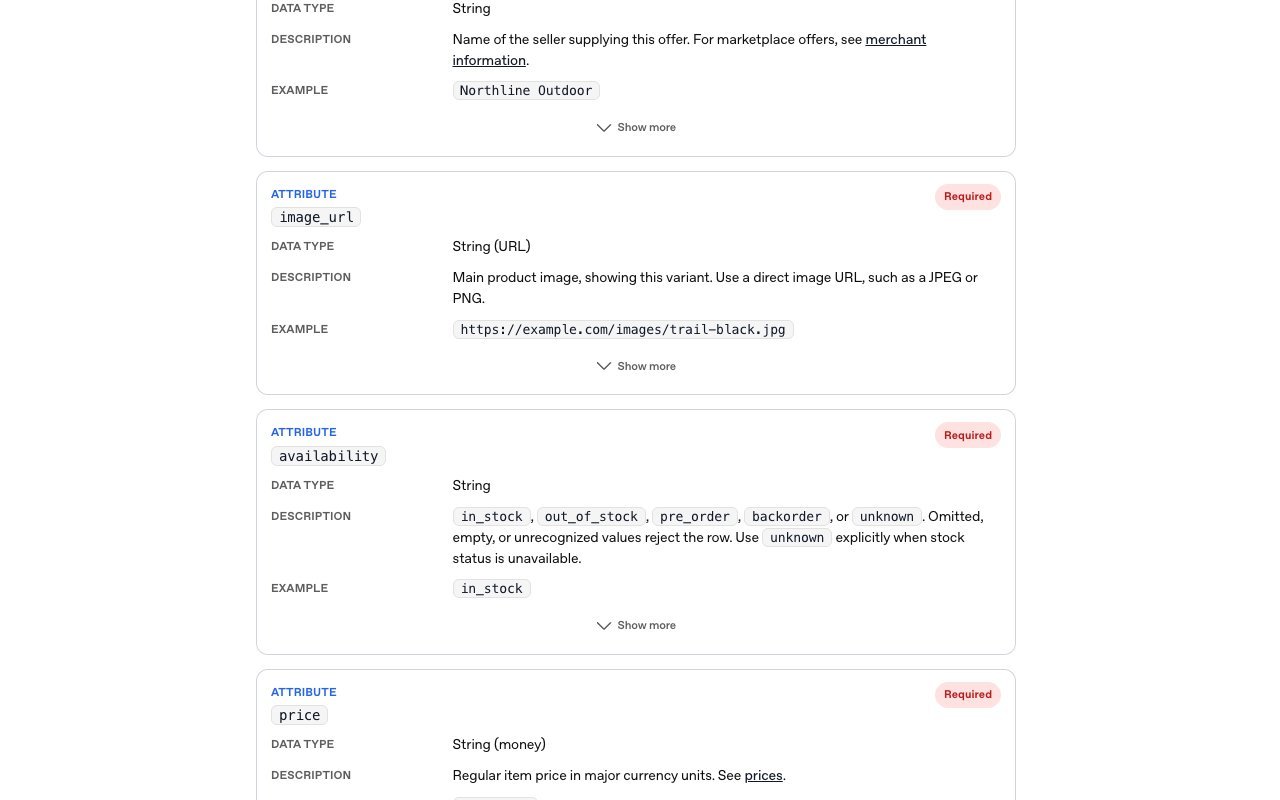
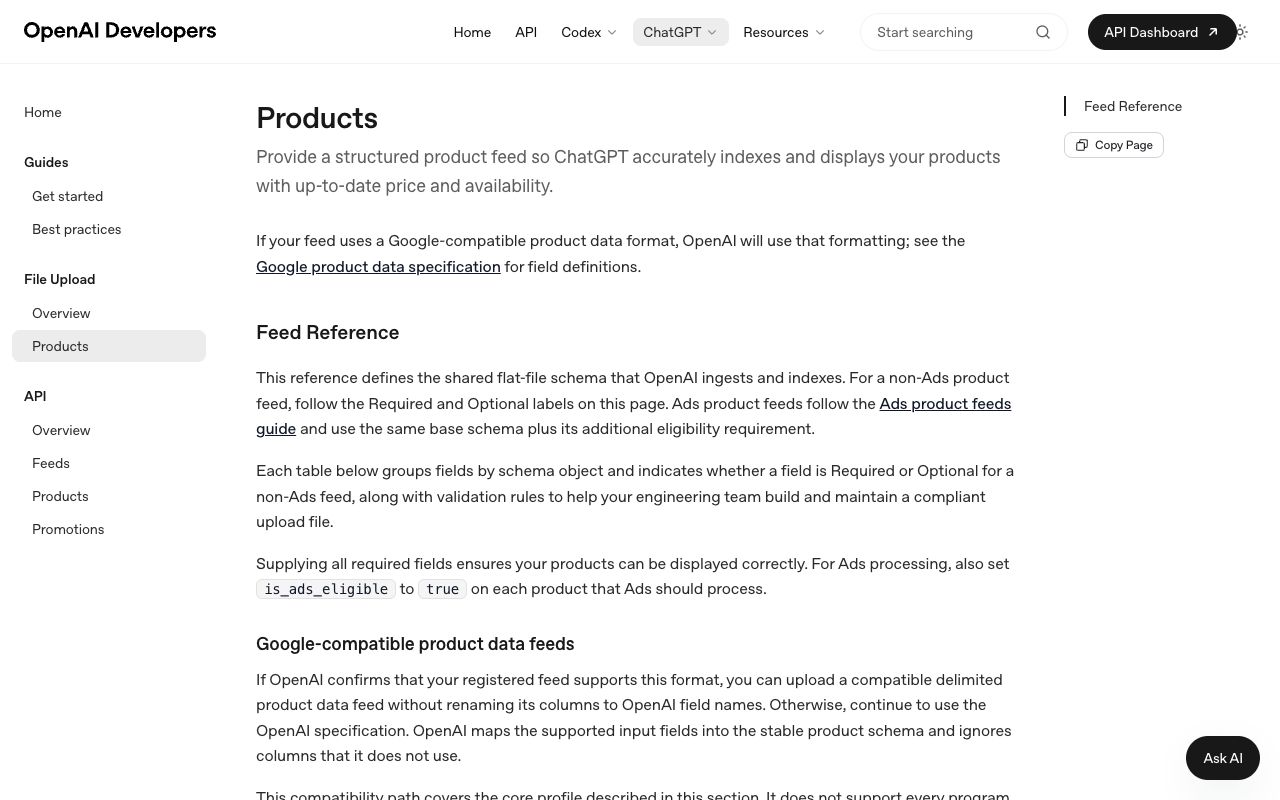
For commerce brands this stopped being guesswork. OpenAI's Agentic Commerce documentation asks merchants to "provide a structured product feed so ChatGPT accurately indexes and displays your products," and the product feed spec lists required fields including item_id, title, brand, url, image_url, price, availability and seller_name, delivered by API or file upload. That is a data contract, and contracts are monitorable in a way prose never is.
Without a feed, the page's own markup carries the load. Schema.org Product with a valid Offer hands a retrieval layer unambiguous price and stock values instead of asking it to parse them out of a rendered template. Run your key templates through the free schema markup checker before you spend anything on prompt tracking — broken markup on a category template quietly costs you every URL beneath it.
What to monitor. Per priority URL: whether it appears among the cited sources for its target question, whether the price and availability ChatGPT states match your live values, and which competing page took the slot when yours didn't.
Cadence, owner, signal. Monthly for your top twenty revenue URLs, plus event-driven checks after price changes, redesigns and migrations — migrations are the killer, since a redirect chain Google absorbs happily can drop a page out of retrieval entirely. Owner is ecommerce or product marketing, because the fixes are theirs. Success is your URL in the citation list with the quoted numbers matching today's page.
Kairosy's public scan of Ruggable shows how this looks at a DTC brand: the report lists which engines mention it and which sources each answer leaned on. For physical products those sources are frequently third-party roundups rather than the brand's own product pages, which tells you where the page-level work has to go.
What Should Brand-Level Monitoring Watch Inside ChatGPT Answers?
Scope three has no URL in it at all. Somebody asks "what's the best tool for X" or "is Brand Y any good," and ChatGPT answers from a mix of memory and retrieval. You are being described, ranked and compared, and no page of yours is necessarily involved.
Because output varies between runs, a one-shot check is a coin flip. Brand-level work is statistical: hold a prompt set fixed, run it on a schedule, read the trend rather than any single response. The mechanics of building that prompt set are covered in our guide to tracking brand mentions in ChatGPT.
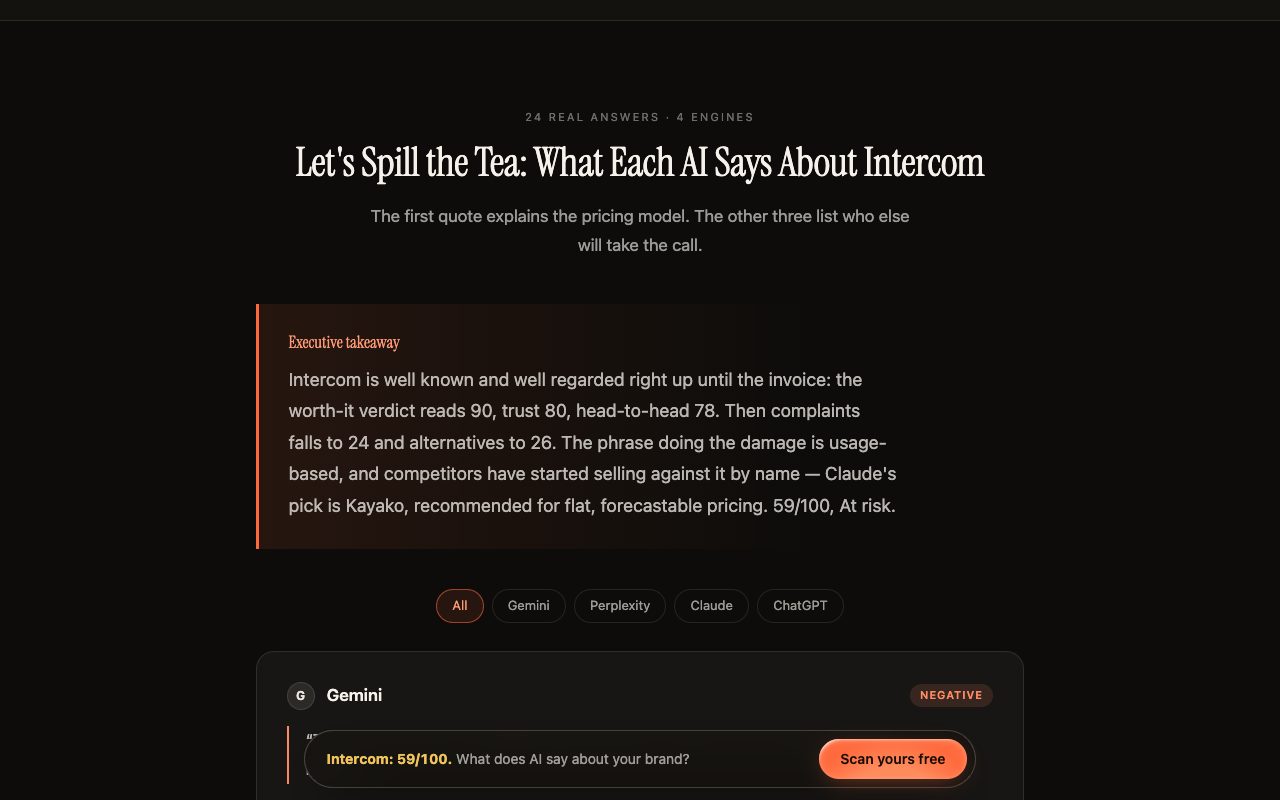
What to monitor. Mention rate across the fixed set, your position when a list comes back, sentiment attached to each mention, which competitors get named beside you, and which domains ChatGPT cites. Add country as a dimension — the same prompt asked from Germany and from the US regularly produces a different shortlist, which is why Kairosy runs market-specific scans across 25 countries on paid plans.
Cadence, owner, signal. Daily on a small set of ten to thirty questions, weekly for the deep scan that re-reads full answers and citations. Kairosy tracks prompts daily on every paid tier, and rescans each monitored brand and market every week with email alerts when something moves. Owner is brand or comms with the SEO lead attached, since the fixes live on review sites, listicles and community threads. Success is mention rate climbing across four to eight weeks with every negative claim traced to a source.
A B2B example worth reading is Kairosy's scan of Kustomer, where answers lean on analyst and review-site coverage far more than on the vendor's own site.
How Do the Three Scopes Compare on Cadence, Owner, and Success Signal?
Here is the whole program on one page. Assign the owner column and monitoring ChatGPT brand strategies stop being an argument about who forgot to check.
| Scope | What you monitor | Cadence | Owner | Success signal |
|---|---|---|---|---|
| Web overview (whole site) | Requests and status codes by user agent, robots.txt diffs, crawler IP verification | Weekly log review, alerts on robots.txt or error-rate change | Infrastructure or technical SEO | Priority URLs fetched at 200 by OAI-SearchBot within days of publishing |
| Product page (single URL) | Citation of your URL for its target question, accuracy of price and availability, which page won instead | Monthly for top revenue URLs, event-driven after price or template changes | Ecommerce or product marketing | Your page in the citation list, quoted details matching live values |
| Brand (entity) | Mention rate on a fixed prompt set, list position, sentiment, competitors named, cited domains | Daily on a small prompt set, weekly deep scan | Brand or comms with SEO lead | Mention rate trending up over four to eight weeks, negatives traced to a source |
Sequence matters more than coverage. Buying a prompt-tracking subscription while OAI-SearchBot is collecting 403s is paying to watch a problem you already know how to fix. Clear scope one, tidy scope two on your revenue pages, then spend money on scope three.
Which Monitoring ChatGPT Brand Mentions Tools Fit Each Scope?
The best tools to track mentions in ChatGPT are the ones matched to the altitude you are working at. Nothing here covers all three well, so expect a small stack rather than one platform. Every price below was checked on the vendor's own site in August 2026.
Cloudflare AI Crawl Control — scope one. Cloudflare's docs state it works on all plans, including free, showing crawler activity plus allow and block rules for individual bots. If you already sit behind Cloudflare, it is the cheapest visibility you will ever get into which OpenAI agents hit you and what they receive back.
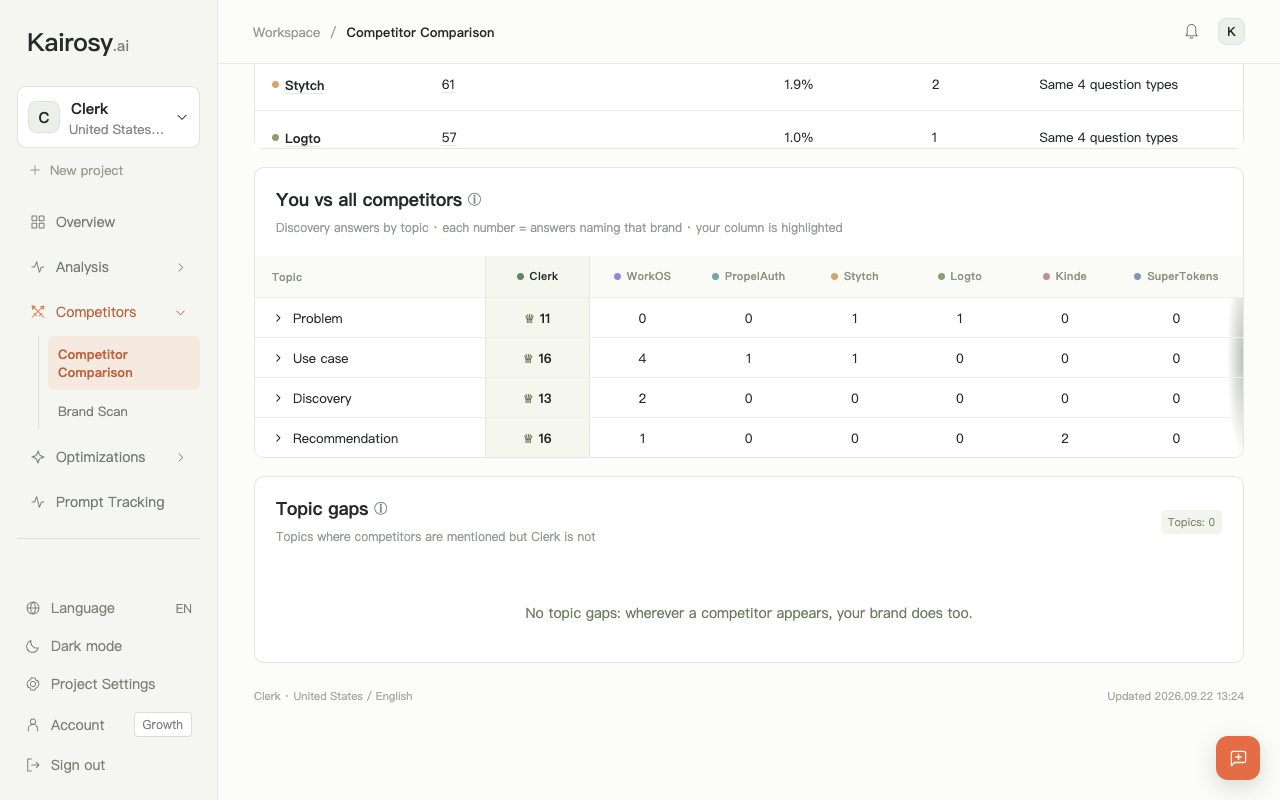
Kairosy — scope three, with free help on scopes one and two. It puts your questions to ChatGPT, Gemini, Claude and Perplexity, classifies the sentiment of every answer, records the sources each engine cited, and turns the gaps into a fix plan. The first 7 days are free. Paid tiers are $29, $99 and $399 a month, adding weekly rescans per brand and market, daily prompt tracking from $99, and scans localized to 25 countries. The ChatGPT brand monitoring page covers engine-specific setup, and the free tools directory handles crawler and markup checks without an account.
Otterly.AI — scope three on a small budget. The Otterly pricing page lists Lite at $29 a month for 15 search prompts with daily tracking across ChatGPT, Google AI Overviews, Perplexity and Copilot. Claude, Gemini and Google AI Mode are paid add-ons rather than included engines, so check that list against the engines your buyers use.
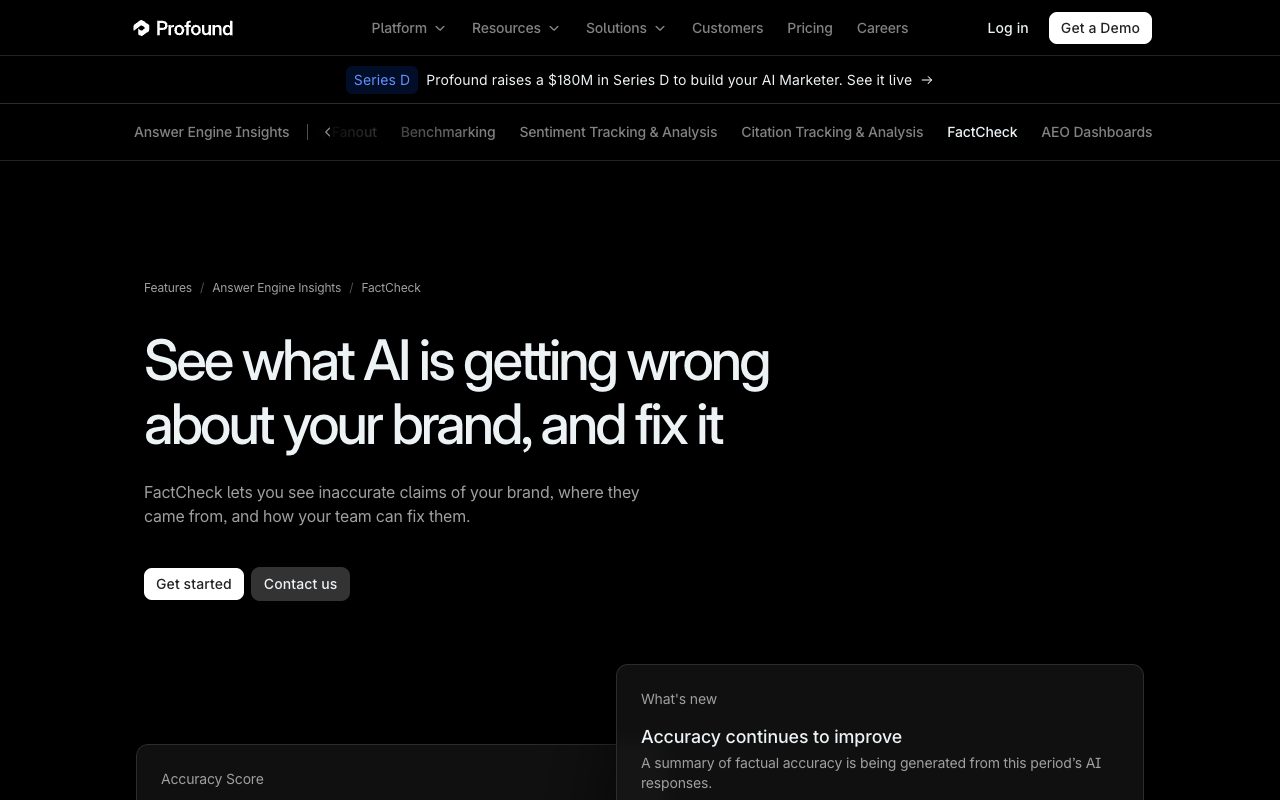
Profound — scope three at enterprise scale. Profound's pricing page now shows brands only a free Trial, 50 prompts run daily for 7 days on ChatGPT, Gemini and Google AI Overviews with unlimited seats, and an Enterprise tier quoted on request that adds up to nine engines, SSO and SOC 2.
Ahrefs — scope two, if you want AI citations sitting beside backlink and keyword data. Ahrefs lists Lite at $129 a month with 5 tracked AI prompts, Standard at $249 with 10, Advanced at $449 with 20. Its Brand Radar AI product, covering a wider set of answer engines, appears as a separate subscription starting at $199 a month.
| Tool | Scope it serves | Entry price | What the entry tier includes |
|---|---|---|---|
| Cloudflare AI Crawl Control | Web overview | Free, all plans | Per-crawler metrics with allow and block rules |
| Kairosy | Brand, plus free page checks | Free 7-day trial, then $29/mo | Four engines, sentiment, cited sources, fix plan |
| Otterly.AI | Brand prompts | $29/mo (Lite) | 15 prompts, daily tracking, 4 engines |
| Profound | Brand, enterprise | Free 7-day trial; Enterprise custom | Trial: 50 prompts on ChatGPT, Gemini, AI Overviews |
| Ahrefs | Page and citation level | $129/mo (Lite) | 5 tracked AI prompts inside the SEO suite |
Do you need services for tracking brand performance on ChatGPT?
Agencies now sell managed services for tracking brand performance on ChatGPT, and they earn their fee on scope three rather than scope one. Crawler access and schema are one-time engineering tasks. Getting your brand into the comparison articles and review platforms that answer engines cite is slow relationship work, worth outsourcing if you have no PR function. Ask any provider which specific third-party pages they intend to influence — if the answer is a dashboard, you are buying a tool with a retainer attached.
Monitoring ChatGPT Brand Strategies FAQs
How often should you check ChatGPT for brand mentions?
Daily for a small fixed prompt set, weekly for a full scan that re-reads answers and citations. Anything less frequent than weekly and you cannot separate a real decline from normal run-to-run variation.
What are the best tools to track mentions in ChatGPT on a small budget?
Kairosy's free monthly scan and Otterly's $29 Lite plan are the two cheapest real entry points, and Cloudflare AI Crawl Control covers crawler visibility at no cost on any plan. Together they touch all three scopes for under $30 a month.
Does blocking GPTBot remove you from ChatGPT search?
No. Per OpenAI's crawler documentation, GPTBot governs training data while OAI-SearchBot governs appearance in ChatGPT's search features. You can disallow one and allow the other, and OpenAI notes robots.txt changes take about 24 hours to take effect.
Can you do ChatGPT monitoring for product pages without a product feed?
Yes. Feeds are the explicit route for merchants, but a page with valid Product and Offer schema, a clear spec table and honest availability still gives a retrieval layer what it needs. Validate the markup first, then track whether the URL gets cited.
Why do two people get different ChatGPT answers about the same brand?
Model sampling introduces variation and retrieval adds more. OpenAI notes ChatGPT may query several search providers and send follow-up queries after reviewing the first results, and that it shares approximate location with those providers. Different location, different moment, different answer.
Which scope should a small team start with?
Scope one, always. It takes an afternoon, costs nothing to check, and it is the only honest starting point for monitoring ChatGPT brand strategies — until OAI-SearchBot fetches your pages reliably, every other measurement is recording the same blockage twice.
See what AI says about your brand
Run a free scan across ChatGPT, Gemini, Claude & Perplexity in about 30 seconds.
Run my free scan