How to Get Cited by AI in 2026: Citation Engineering by Source Type
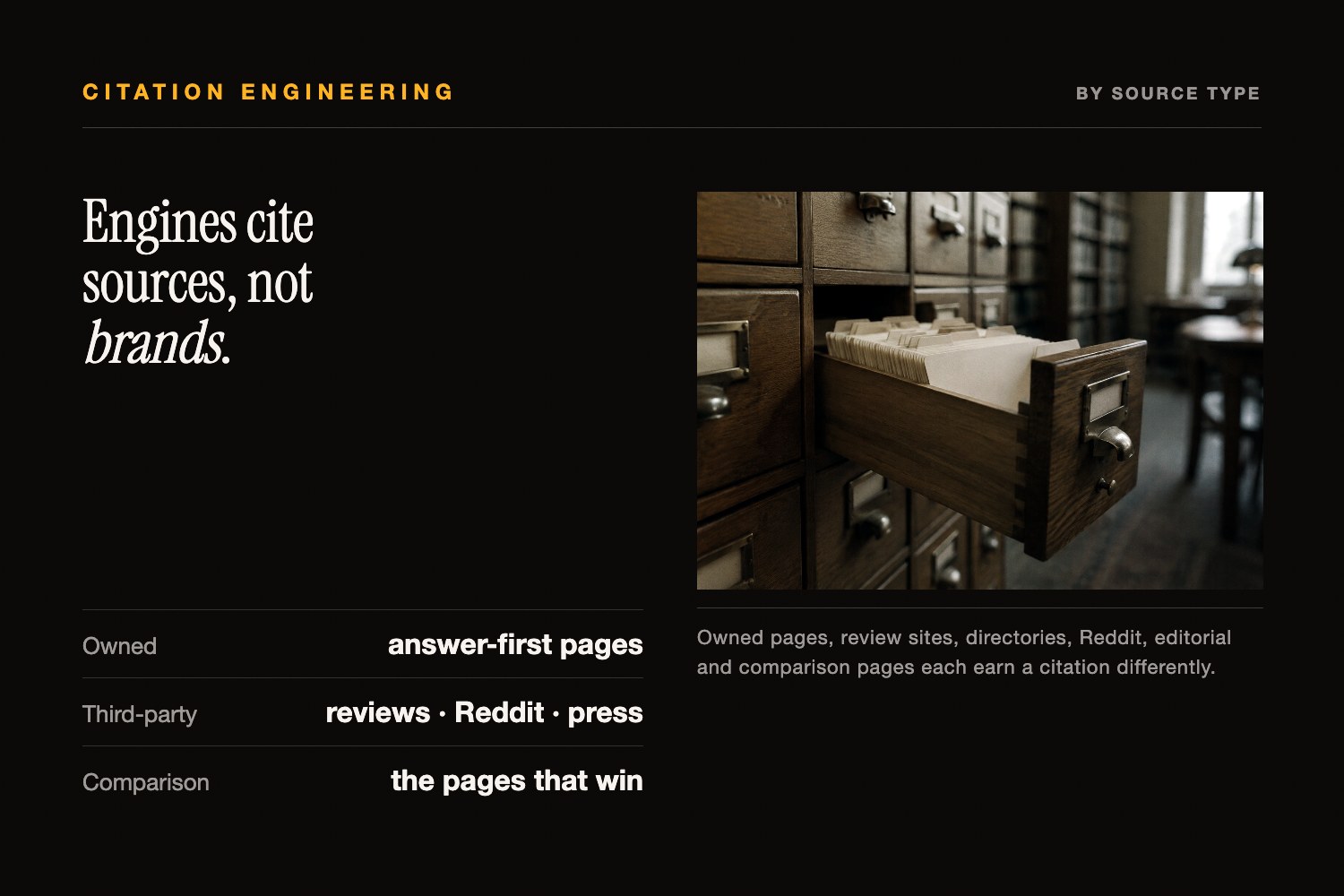
To get cited by AI, you have to exist on the source types each engine already pulls from, not just on your own domain. In a May 2026 study of 233 ChatGPT software recommendations, only 11.6% cited the vendor's own website; the other 88.4% credited a third party. The citation you want is often a review page, a Reddit thread or a trade article that talks about you.
This guide treats how to get cited by AI as an engineering problem, source type by source type: owned pages, review sites, directories, Reddit, editorial media and comparison pages. For each you get why engines pull from it, what you control, one concrete action and a way to verify it. It closes with the distinction most teams blur: mentioned, cited and recommended are three different outcomes with three different fixes.
How to Get Cited by AI: Which Six Source Types Do Engines Actually Cite?
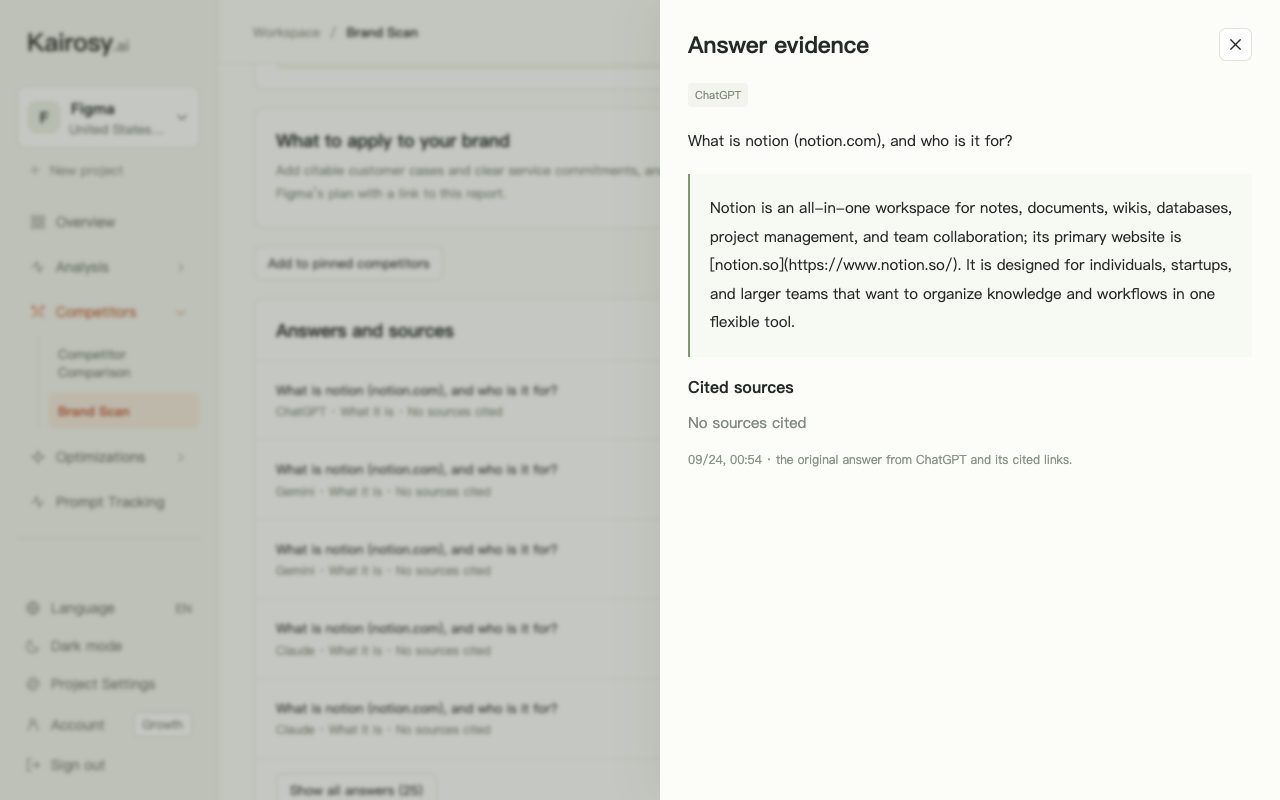
Every major assistant fetches live pages before it answers. OpenAI documents OAI-SearchBot as the agent "used to surface websites in search results in ChatGPT's search features". Perplexity's PerplexityBot "surfaces websites in Perplexity's search results" and "is not used to crawl content for AI foundation models". Gemini's Grounding with Google Search "connects the Gemini model to real-time web content" and returns inline URL citations. What gets fetched decides what gets cited.
Those fetches land on a skewed set of domains. Peec AI's March 2026 analysis of 30 million sources found Reddit the most-cited domain across ChatGPT, Google AI Mode, Gemini, Perplexity and AI Overviews, with YouTube, LinkedIn, Wikipedia and Forbes completing the top five. Ahrefs' September 2026 study of over 3 million US queries put YouTube at 22.9% and Reddit at 18.5% of AI Overviews citations. The engine-by-engine ranking is in our post on the most cited AI sources; this table maps the six source types to the levers you hold.
| Source type | Why engines cite it (sourced) | What you control | Concrete action | How to verify |
|---|---|---|---|---|
| Owned page | Ground truth for prices and policies, yet only 11.6% of ChatGPT SaaS recommendations cited the vendor site (Derivatex, May 2026) | Crawl access, structure, every fact | Allow OAI-SearchBot and PerplexityBot; answer in the first 100 words; date the page | Run the buyer prompt in each engine; look for your URL in the sources |
| Review sites | 100% of tools ChatGPT named had Capterra reviews, 99% had G2 reviews (Quoleady, June 2026); G2 was 1.1% of ChatGPT citations (Profound, June 2025) | Profile completeness, review recency, public replies | Claim every profile; request reviews at day 30; answer each negative review with the fix | Ask "most common complaints about [brand]" and compare with your review pages |
| Directories | Listing platforms such as Yelp and G2 appear frequently in recommendation queries (Peec AI, March 2026); Yelp was 0.8% of Perplexity citations (Profound) | Category, description, name consistency | Fix category and description on the listings your category answers already cite | Ask "best [category] in [niche]" on Perplexity; note which listings surface |
| Most-cited domain across five engines (Peec AI, March 2026); 18.5% of AI Overviews citations (Ahrefs, September 2026); OpenAI holds Reddit Data API access under a May 2024 deal | Your participation and disclosure, never the votes | Answer live threads from a disclosed account; one founder AMA per quarter | Check which thread URLs appear as citations and read them | |
| Editorial media | Major media was 8.8% of ChatGPT SaaS citations (Derivatex); Forbes was 1.1% of ChatGPT citations (Profound); PRNewswire, Forbes and Medium gained share on ChatGPT after September 2025 (Semrush) | Original data, expert quotes, bylines | Publish one original dataset per quarter; pitch ten trade outlets | The cited URL will be the outlet's; confirm your brand is named in the answer |
| Comparison pages | 100% of cited pages used list structure and 68% included comparison tables (Derivatex, May 2026) | Your own "vs" and "alternatives" pages, plus placement on third-party roundups | Build honest "X vs Y" pages with dated numbers and a "who should not buy" section | Ask "[rival] alternatives" weekly; check which page is cited |
How Do You Get Your Owned Pages Cited by AI Search Engines?
Start with access, because it fails silently. Otterly's February 2026 citation report found that "73% of sites have technical barriers blocking AI crawler access" through robots.txt, CDN rules or JavaScript rendering. OpenAI's docs say sites that disallow OAI-SearchBot will not appear in ChatGPT search answers. Google's Google-Extended token controls Gemini training and grounding but "does not impact a site's inclusion in Google Search". Run the free AI crawl checker on your top ten commercial URLs before you touch a word of copy.
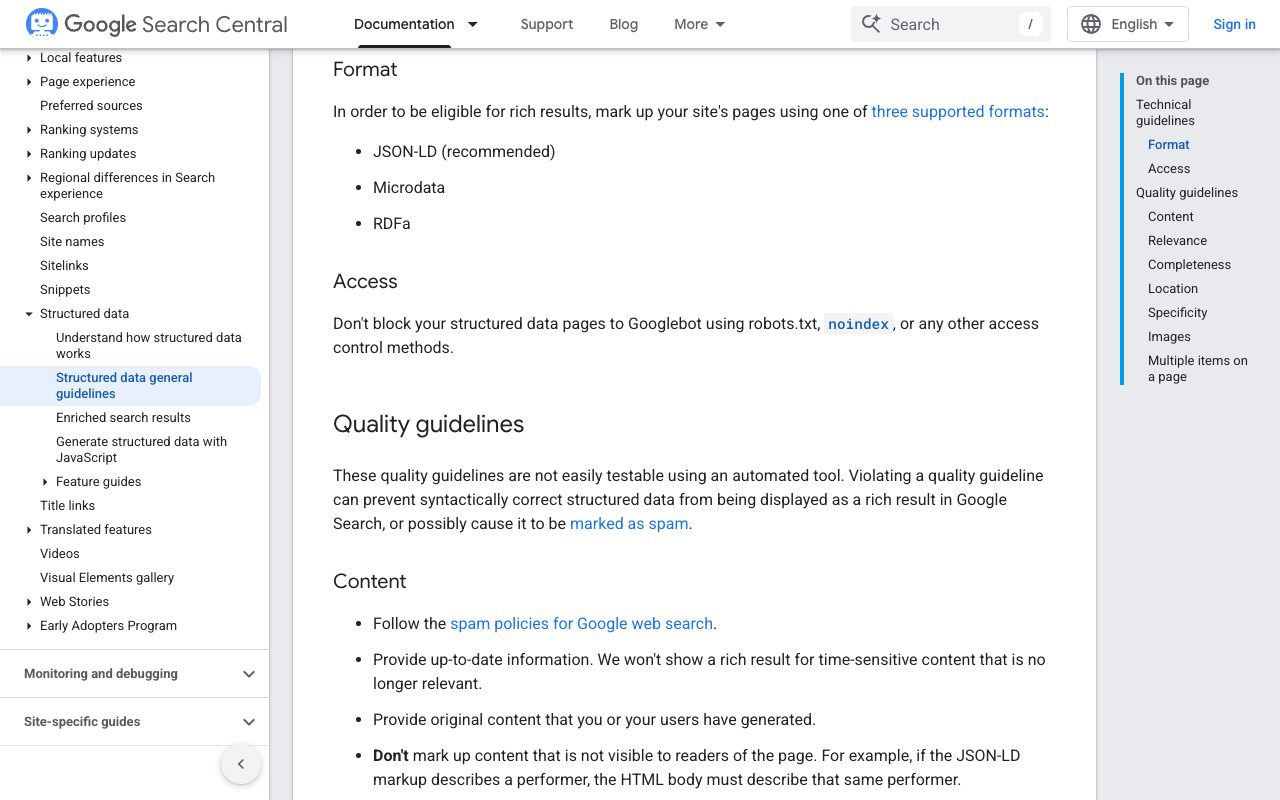
Then fix structure. Google's AI features documentation states there are "no additional requirements to appear in AI Overviews or AI Mode", and asks that your "structured data matches the visible text on the page". The pages that get quoted put the number in the first paragraph, show a last-updated date and keep one claim per heading. The AI-Ready Page Audit runs 33 checks across access, readability, structured data, citability and trust on one URL, and the schema markup checker flags markup that contradicts the page. Prioritize pricing, limits, integrations and policy pages: those are what engines quote when a buyer asks "how much does X cost".
How Do Review Sites and Directories Shape AI Citations?
Review sites act as an inclusion gate, not a ranking dial
The evidence on review platforms looks contradictory until you separate inclusion from linking. Quoleady's June 2026 study of "alternatives" prompts found that 100% of the tools ChatGPT mentioned had Capterra reviews, 99% had G2 reviews and 78.8% had Wikipedia pages, yet review counts correlated negatively with position (Capterra –0.21, G2 –0.16). Derivatex found "G2 and Capterra each received zero citations across 233 recommendations", while Peec AI saw Perplexity leaning on G2 for B2B queries. Read together: engines read review sites to decide whether you belong on the shortlist, then usually cite something else.
What you control is narrower than agencies claim: profile completeness, review recency and your public replies. Reviews bought with a required sentiment are banned in the US by the FTC's August 2024 final rule, which prohibits fake reviews, compensation "conditioned on the writing of consumer reviews expressing a particular sentiment", undisclosed insider reviews and review suppression.
Engines summarize complaint patterns from these pages, so the reply matters as much as the review. Kairosy's scan of Semrush scored 59/100, with ChatGPT opening on "The most common complaints about Semrush are billing and subscription" and Claude describing "unexpected charges after free trials, deliberately complex cancellation". That is review-site language repeated by an engine. Verify your own exposure by asking each assistant for the most common complaints about your brand and comparing the answer with your open review threads.
Directories decide whether engines know which company you are
Directories rarely earn the citation, but they anchor the entity. Ahrefs' September 2026 AI Overviews data has Facebook at 10.1%, Amazon at 3.3% and Walmart at 1.0% of citations, and Peec AI found Google's AI surfaces leaning toward Facebook and Yelp. The action is unglamorous: identical name, category and one-sentence description on Google Business Profile, Yelp, Crunchbase, Product Hunt, Clutch or whichever directories already appear when you ask for the best option in your niche. Verify by asking "what does [brand] do" in each engine and watching for confusion with a similarly named company.
How Do You Earn Reddit and Editorial Citations Without Faking It?
Reddit: participate under your own name
Reddit's citation share is large and unstable. Semrush's 13-week study (July 14 to October 12, 2025, 230,000+ prompts) recorded ChatGPT citing Reddit in roughly 60% of responses in early August before a mid-September drop to about 10%, while Perplexity stayed relatively consistent. Otterly's February 2026 report still puts Reddit at 16.9% of Perplexity citations. The pipe is contractual: TIME reported on May 17, 2024 that the OpenAI deal lets OpenAI "display Reddit's content" and gives its tools access to Reddit's Data API.
You control one thing on Reddit: how you show up. Reddit's content policy prohibits spam and content manipulation, and moderators add subreddit-level promotion rules. What survives both is a disclosed account answering real questions in the threads that already rank for your category, plus a founder AMA when you ship something big. A thread that reads "the founder showed up and fixed it" is the citation you want quoted. Verify by reading every reddit.com URL in your citations; a cited thread that trashes you is a fix, not a win.
Editorial media: how business leaders get cited by AI search
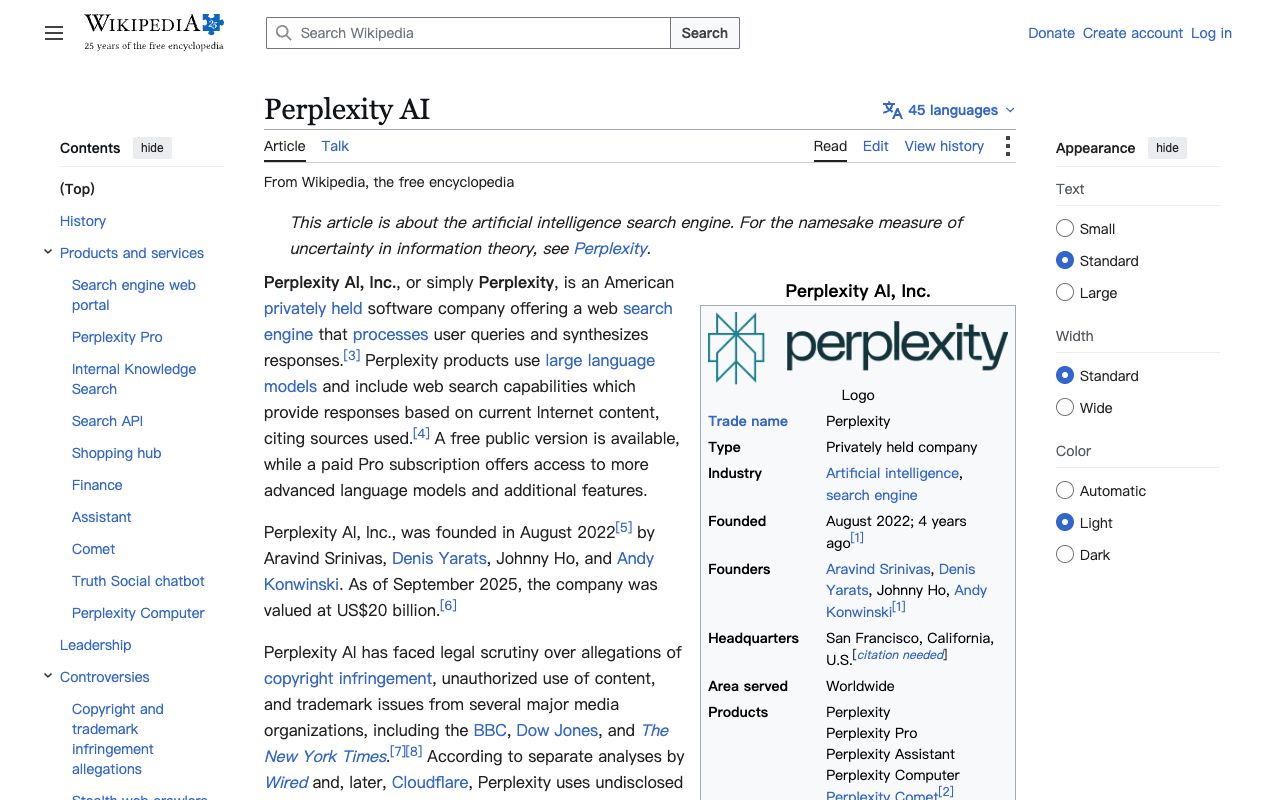
Editorial domains take a modest but stable share: 8.8% of ChatGPT's SaaS citations went to major media in Derivatex's study, Forbes held 1.1% of ChatGPT citations in Profound's data, and Semrush saw PRNewswire, Forbes and Medium gain share on ChatGPT after the September 2025 shift. Engines treat independent coverage the way Wikipedia's general notability guideline does: "significant coverage in reliable sources that are independent of the subject".
For a founder or executive, the playbook is original data first, opinion second. Publish one dataset per quarter that a trade reporter cannot get elsewhere, pitch it to ten outlets in your category, and keep a byline page with a real bio so the engine can connect the quote to the company. The cited URL will belong to the outlet; the goal is your name inside the answer with the outlet as the trust signal.
Why Do Comparison Pages Win "Best" and "Alternatives" Prompts?
Because they match the shape of the answer. Derivatex found that 100% of the pages ChatGPT cited for software recommendations used list structure, 78% carried the current year in the title and 68% included a comparison table; independent blogs plus vendor content together took 81.9% of citations. A "best [category]" answer is a list, so the engine reaches for pages that are already lists.
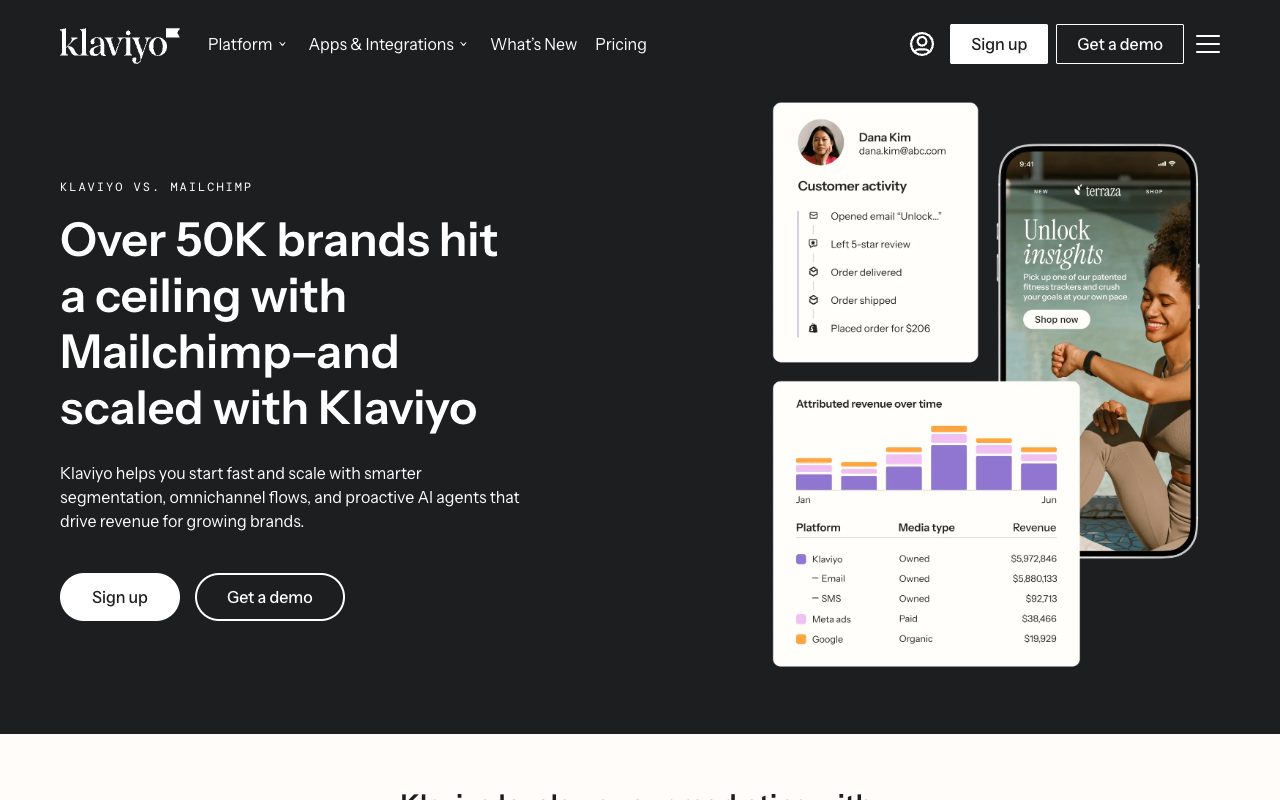
Honesty is the ranking factor here. Kairosy's scan of Klaviyo scored 56/100 with a 38% recommend rate; Gemini told buyers that for a "service-based business or a tighter budget, Mailchimp is often better due to its lower cost and simpler setup". A comparison page that pretends price is not a factor loses to the third-party page that states it. Build "X vs Y" and "[rival] alternatives" pages with a dated table of real numbers and a "who should not buy this" section, then get listed on three third-party roundups per quarter. Verify weekly with the "[you] vs [rival]" and "[rival] alternatives" prompts, noting whether the cited page is yours, a rival's or a roundup.
How to Get Mentioned by ChatGPT, Gemini and Perplexity Consistently
Citations churn, so the work is a loop rather than a launch. The Semrush study that recorded the September 2025 Reddit collapse on ChatGPT saw Google AI Mode hold LinkedIn at roughly 15% throughout, and Peec AI's 2026 data shows ChatGPT favoring Wikipedia, Reddit and Forbes, Google leaning on Facebook and Yelp, and Perplexity emphasizing Reddit, LinkedIn and G2. If you want to know how to get mentioned by ChatGPT and also by Gemini and Perplexity, you fix a different source type per engine and re-check each on its own schedule.
- Daily: track your 25 to 100 highest-intent buyer prompts and log which engine named you, which URL it cited and whether the tone moved.
- Weekly: re-scan the brand in each market you sell into and read the source-domain list per engine.
- Monthly: re-run the page audit on the URLs you changed and diff it against the last one.
- Quarterly: ship one dataset, one comparison page and one founder AMA, then measure which produced new citations.
Kairosy runs this loop: prompts are checked every day on every paid plan (15 on Basic, 28 on Pro, 70 on Growth, at $29, $99 and $399 per month as of September 2026), tracked brands are re-scanned every Monday with an email digest, and alerts fire when a new negative keyword appears, a competitor becomes the preferred pick, the score drops or an engine flips sentiment. Signup is a 7-day trial with no credit card. If ChatGPT matters most, start with ChatGPT brand monitoring; for the six-change playbook on that engine, see how to rank in ChatGPT.
Mentioned vs Cited vs Recommended: Which One Are You Measuring?
Most advice on how to get cited by AI stops at the second of three outcomes that get lumped together as "AI visibility". Each has a different lever:
- Mentioned: your name appears in the answer text. Driven by entity clarity across directories, review sites and independent coverage.
- Cited: a URL about you appears in the sources, yours or a third party's. Driven by crawl access, structure and the source types above.
- Recommended: the engine names you as the pick for the buyer's situation. Driven by what the cited sources say, especially reviews and comparison pages.
The gaps are large. Otterly's February 2026 report describes ChatGPT as a platform where "brands get mentioned frequently but receive weak link citations", and measures the strongest brand-domain preference on Google AI Overviews at 59.8% of citations. Kairosy's scan of Allbirds shows the third gap: 100% visibility and a 71/100 score, but a 63% recommend rate, an "Alternatives" topic score of 26, and Baabuk, Veja and Cariuma each taking 9% of competitor share. Allbirds is mentioned everywhere and loses the moment the buyer asks for alternatives.
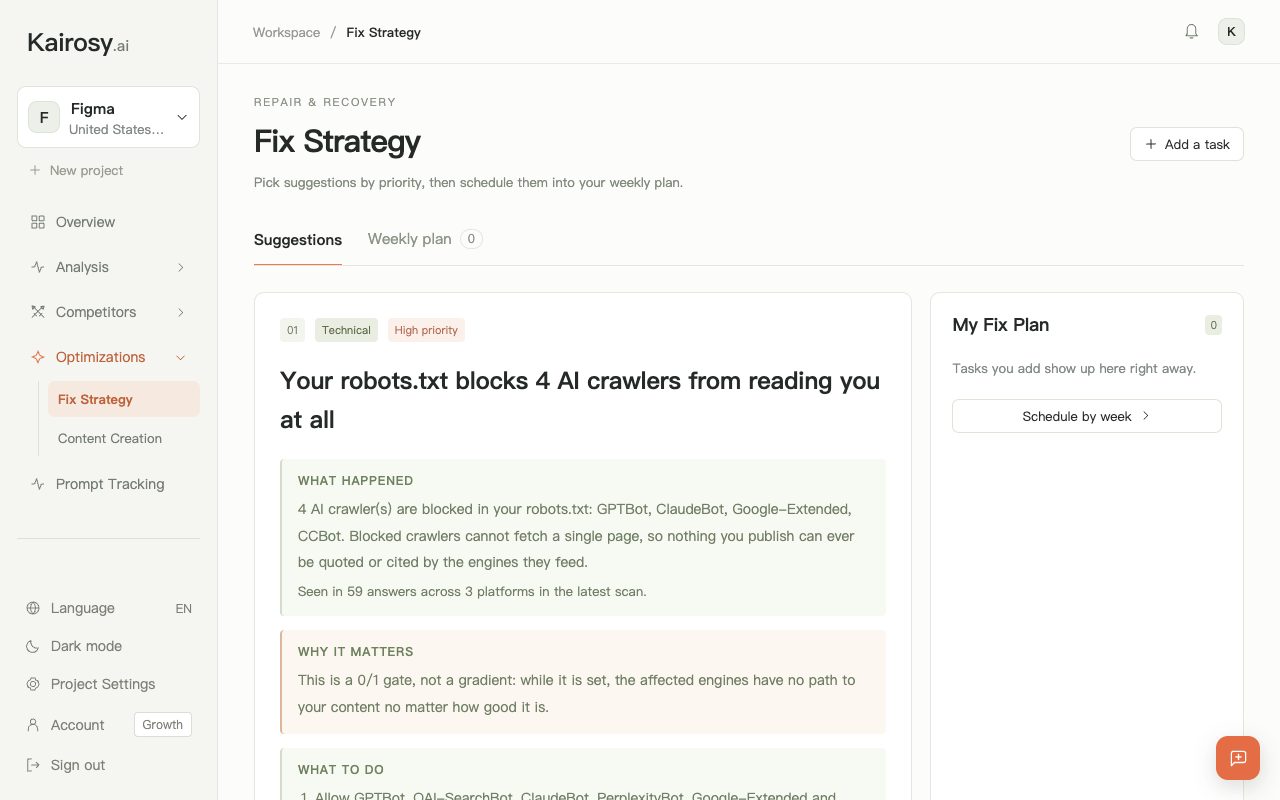
So measure all three. Low mentions: fix entity sources. Low citations: fix access and structure. Low recommendations with the first two fine: the problem lives in what reviews and comparison pages say, and no amount of schema will move it. Our post on answer engine optimization covers the on-page half; the AI brand monitoring workspace shows all three numbers per engine and per market.
How to Get Cited by AI FAQs
How do you get cited by AI search engines if you have no reviews yet?
Start with owned and comparison pages, the two source types you fully control, and confirm crawler access first. Then seed reviews the compliant way: ask every customer at a fixed milestone, never in exchange for a particular sentiment. Quoleady's June 2026 data suggests engines check that reviews exist before shortlisting you, so a modest, recent set clears the gate.
How to get cited by AI assistants like Gemini and Perplexity: is it different from ChatGPT?
The mechanics differ. Perplexity fetches with PerplexityBot and leans on Reddit, LinkedIn and G2 for business queries; Gemini grounds on Google Search, so Google's indexing and quality rules apply; ChatGPT fetches with OAI-SearchBot and, in the 2026 studies, favored Wikipedia, Reddit and editorial outlets. Check each engine's citations separately rather than assuming one fix carries across.
How do you get cited by Gemini AI specifically?
Be indexable in Google Search, keep structured data consistent with the visible text, and do not block Google-Extended if you want to be eligible for grounding. Google says no extra files or markup are required for its AI features, so the work is ordinary page quality plus the entity consistency described above.
How long does it take to get mentioned by ChatGPT after you publish a page?
There is no fixed lag. Search-grounded answers can pick up a page as soon as it is crawled, while the training-data layer that shapes unprompted mentions updates far more slowly. Track the prompt daily from the day you publish and treat the first cited appearance, not the publish date, as your baseline.
Which source type should you fix first?
Whichever one currently carries your worst answers. Pull the citation list for your ten most important prompts, group the URLs by source type, and start with the type that is both frequently cited and negative about you. For most B2B brands that is review sites; for consumer brands it is usually Reddit or a third-party comparison page.
See what AI says about your brand
Run a free scan across ChatGPT, Gemini, Claude & Perplexity in about 30 seconds.
Run my free scan