How to Improve AI Brand Reputation: The 7-Stage Framework (2026)
To improve AI brand reputation, you change the sources ChatGPT, Gemini, Claude and Perplexity read, in the order authority and fixability dictate, then prove the change with a re-test on a frozen prompt set. The work runs as a seven-stage loop: Problem Narrative, Source, Authority, Fixability, Intervention, Re-test, Persistence. This is how to improve AI brand reputation with numbers attached: the loop below runs on one real brand, ZoomInfo, using Kairosy's public scan.
How to Improve AI Brand Reputation: The Seven-Stage Intervention Framework
Read the framework as a table: one row per stage, what you write down, and the worked example. Its input is the baseline from how to audit your brand reputation in AI, so run that first.
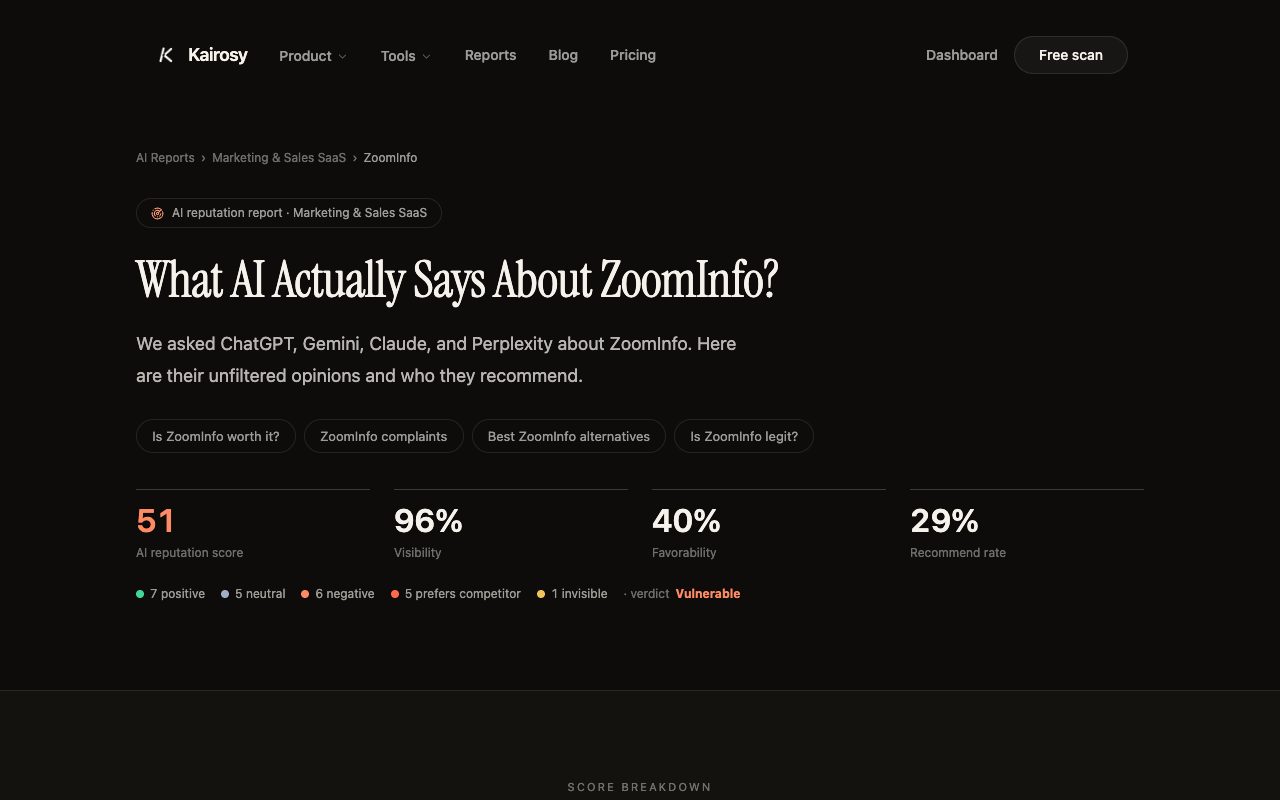
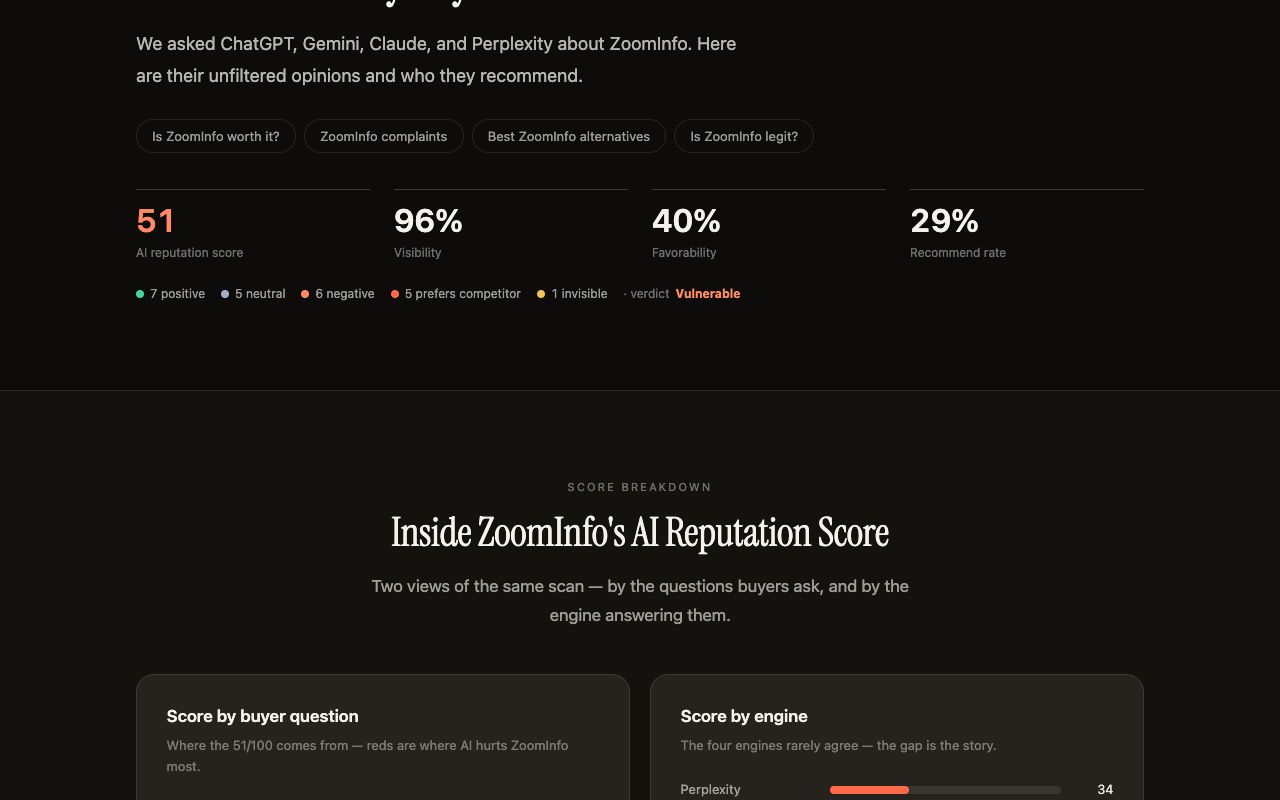
Kairosy's scan of ZoomInfo (24 buyer questions, four engines, 2026-08-05) scores the brand 51/100 with the verdict "Vulnerable": 96% visibility, 40% favorability, 29% recommend rate, and engine scores from ChatGPT at 60 down to Perplexity at 34.
| Stage | Question it answers | ZoomInfo, from Kairosy's scan of 2026-08-05 | Output |
|---|---|---|---|
| 1. Problem Narrative | What sentence do the engines keep repeating? | Two: data is "outdated or inaccurate" (ChatGPT), and cost is "high" with "rigid" contracts (Gemini). Complaints prompts score 24, Trust & safety 49. | One written claim per narrative, with engine and prompt |
| 2. Source | Which pages supply it, and who owns them? | Trustpilot at 1.8/5 with 65% one-star reviews; a 2024 shareholder suit alleging "manipulative and coercive" auto-renewals; Wikipedia's lawsuits section; review-site roundups, per the report's action plan. | Source list with owner and last-updated date |
| 3. Authority | How much does each source move the answer? | Wikipedia plus Reddit drive over 25% of U.S. ChatGPT citations (5W, May 2026); brands listed on review platforms see a ~3x citation multiplier. | Authority score 1–5 per source |
| 4. Fixability | Can you change the source, and how fast? | Own pages: fastest. Trustpilot: replies and fair invitations. Wikipedia: talk-page proposals only. Court record: unchangeable. | Fixability score 0–5 per source |
| 5. Intervention | What exactly do you publish or change? | 1: renewal-terms and data-accuracy pages on zoominfo.com. 2: public replies to negative Trustpilot reviews. 3: a sourced Wikipedia talk-page proposal. | Action list ranked by authority × fixability |
| 6. Re-test | Did the sentence change? | Same 24 prompts, four engines, three or more runs each. Pass = Complaints above 24 and Perplexity above 34 across runs. | Before/after share of runs carrying the narrative |
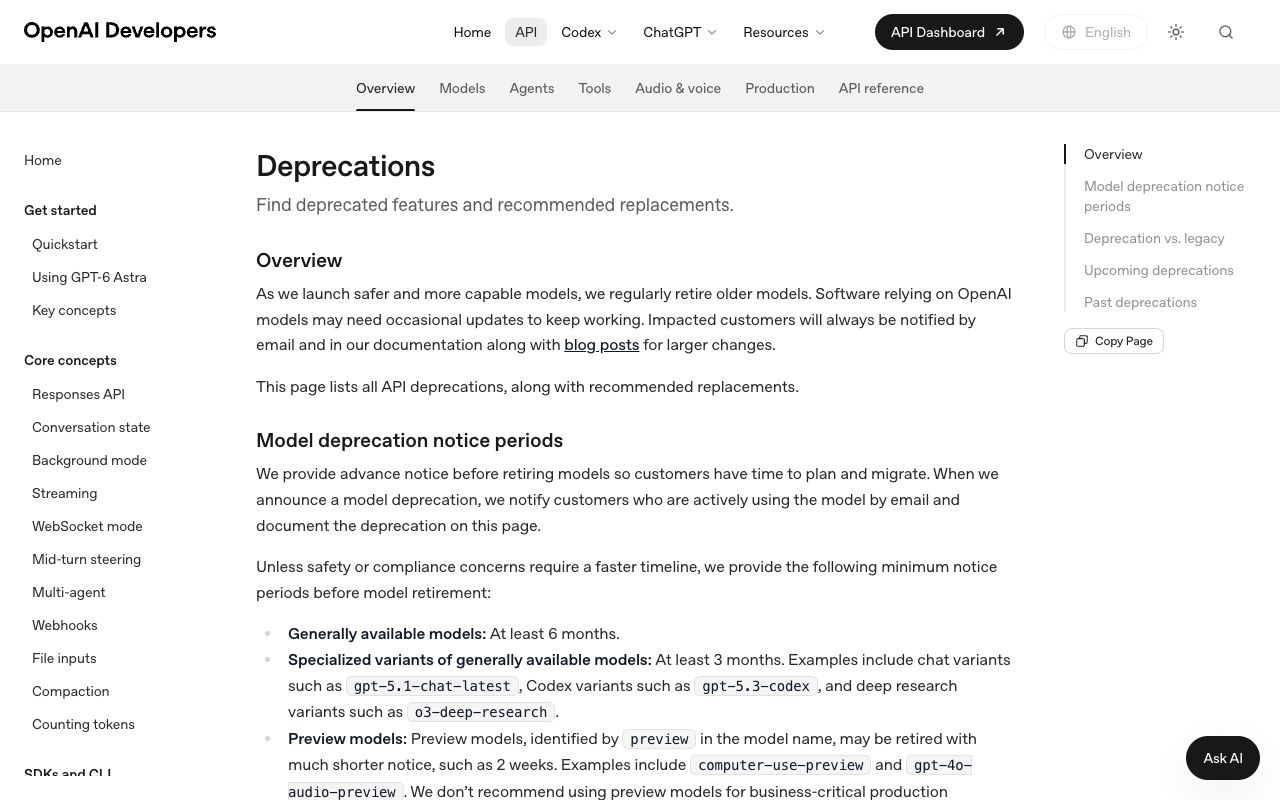
| 7. Persistence | Does it survive the next model release? | Re-run after model changes. OpenAI gives at least six months' notice before retiring generally available models; Gemini's "latest" alias is hot-swapped on release. | Monthly check plus alerts on regressions |
What Is the Problem Narrative, and Why Does the Baseline Come First?
The problem narrative is the sentence an engine keeps producing about you, logged verbatim with the engine, the prompt and the date. Not "our sentiment is negative," but the claim itself, because the claim is what you hunt for in the sources.
The baseline audit supplies it. Without a frozen prompt set you are chasing one screenshot, and one answer proves little: the EBU and BBC review of more than 3,000 assistant answers (October 22, 2025) found 45% carried at least one significant issue.
ZoomInfo has two narratives in different prompt families. On Complaints prompts, ChatGPT says "contact/company data can be outdated or inaccurate, so users still have to verify" and Gemini says "The most common complaints about ZoomInfo center on its high cost and rigid…". Elsewhere the narrative becomes a recommendation: Perplexity opens with "For most buyers, Apollo.io is the leading alternative to ZoomInfo because it…", and five of the 24 answers are labeled "prefers competitor."
Write each narrative as a testable claim: "ZoomInfo's contact data is outdated" and "ZoomInfo's contracts are rigid and expensive." Two claims, two source hunts, two interventions. Bundling them into "fix our reputation" is how these projects stall.
Which Sources Feed the Narrative, and Who Controls Them?
Search-enabled engines show where a sentence came from. OpenAI's web search documentation states that "By default, the model's response will include inline citations for URLs found in the web search results," Anthropic's web search tool page says "Citations are always enabled for web search," and Google's AI Mode issues "a multitude of queries" for one question (Google, May 20, 2025). Log the URLs, group them by domain, and name an owner for each.
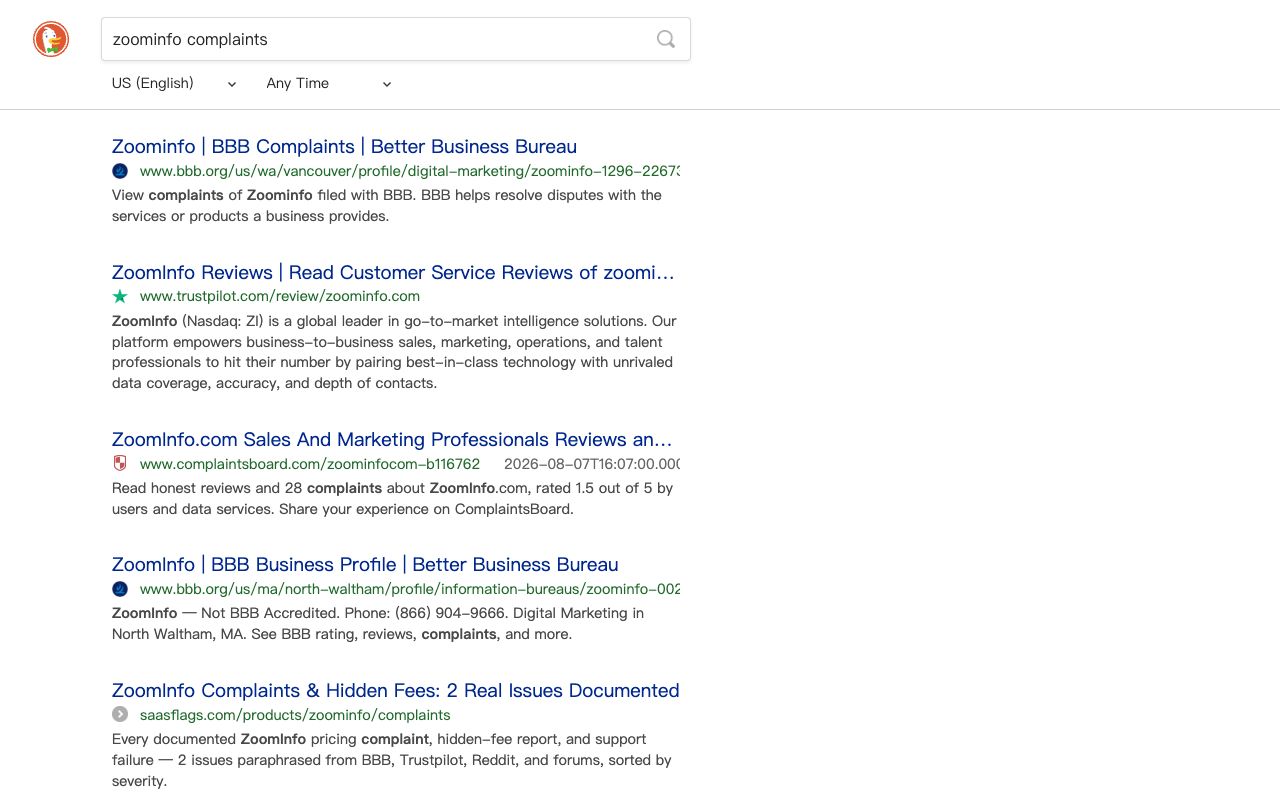
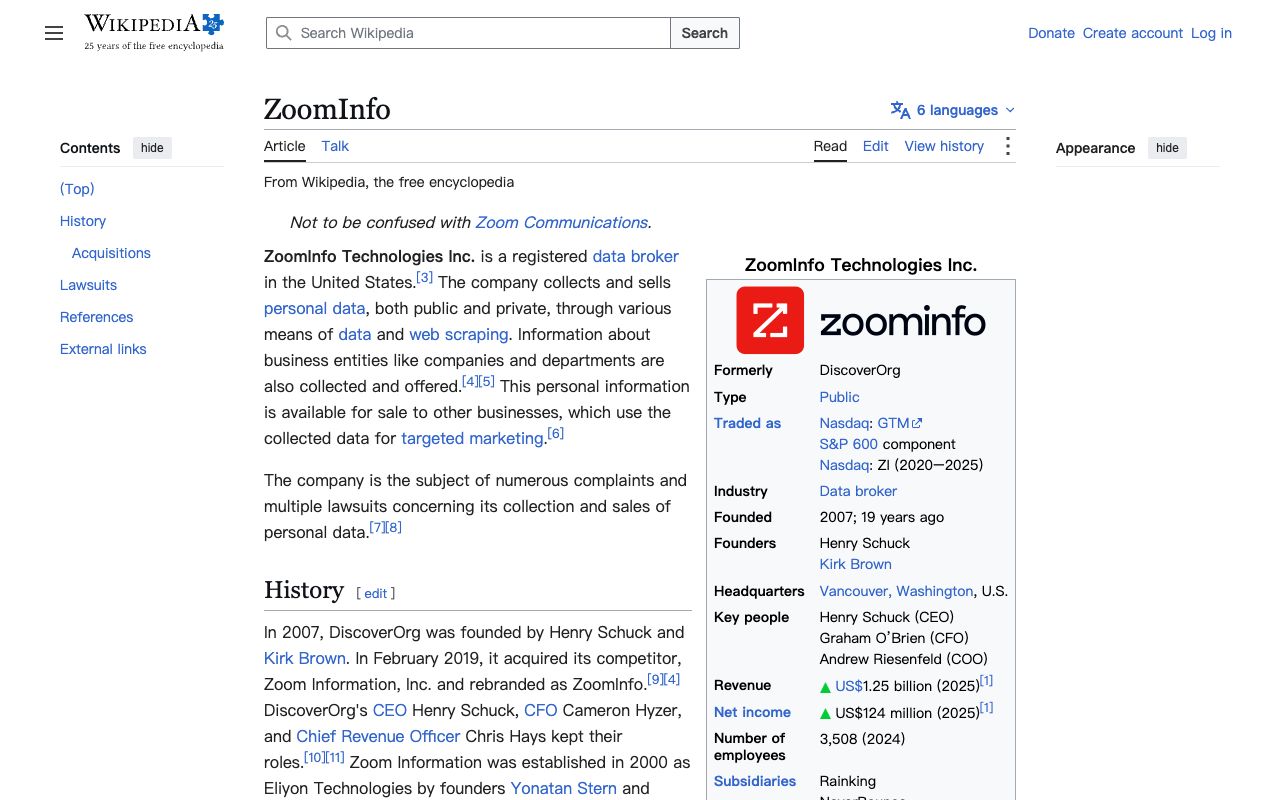
For ZoomInfo's contract narrative the trail is public. Trustpilot's zoominfo.com profile, checked in September 2026, shows a 1.8 TrustScore from 335 reviews, 65% of them one star, with complaints about support, outdated contact data and cancellations, plus the note "Hasn't replied to negative reviews." Bloomberg Law reported on December 3, 2024 that a shareholder derivative complaint in the Western District of Washington accused company leaders of concealing "manipulative and coercive" auto-renewal strategies, under policies requiring at least 60 days' notice not to renew. The Bear Cave had obtained "hundreds of pages of consumer complaints" through FOIA by May 19, 2022. Wikipedia's ZoomInfo article, last edited September 1, 2026, carries a lawsuits section.
The data-accuracy narrative runs through review sites and comparison content, with Apollo.io as the foil. In Kairosy's scan of Apollo.io on the same date, Apollo scores 71 and holds 47% share of voice to ZoomInfo's 14%. Yet Apollo's Complaints score is also 24, with ChatGPT noting "reviewers often say contacts are outdated, emails bounce", so the accuracy claim is category-wide. ZoomInfo's own report says the models are pulling from review sites, and zoominfo.com is the only owner fully under ZoomInfo's control.
How Do You Score Authority × Fixability to Decide What to Fix First?
Authority is how much a source moves the answer. Fixability is how much you can move the source. Multiply them and sort: the top of the list gets the first month.
Score authority from citation data, not instinct. 5W's Citation Source Audit (May 11, 2026) synthesizes nine datasets; its Similarweb slice of about 600,000 U.S. ChatGPT citation events puts Wikipedia at 13.15% and Reddit at 11.97%, and it reports a ~3x citation multiplier for brands listed on G2, Capterra, Trustpilot and Yelp. Court filings we score by the coverage that repeats them.
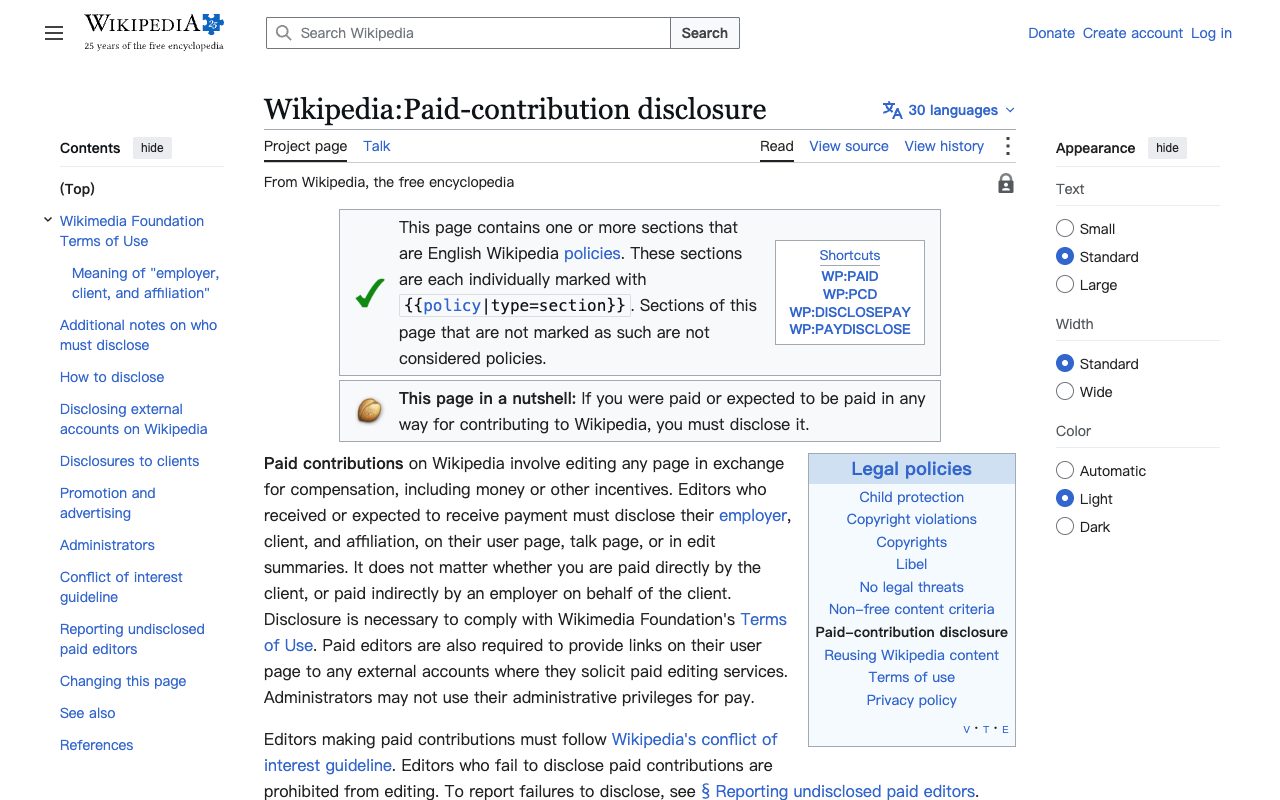
Score fixability by owner. Your site is a 5. Review platforms are a 3: you can reply and invite fairly, but you cannot remove honest reviews. Forums are a 2. Wikipedia is a 1, because its conflict-of-interest guideline says COI editors are "strongly discouraged from editing affected articles directly, and can propose changes on article talk pages instead." A court record is a 0.
Our scores for the sources found in Stage 2:
| ZoomInfo source | Authority (1–5) | Fixability (0–5) | Score | First move |
|---|---|---|---|---|
| zoominfo.com renewal and cancellation terms page | 3 | 5 | 15 | Publish or update a dated page stating the notice window, the cancellation route and the credit model |
| zoominfo.com data-accuracy methodology page | 3 | 5 | 15 | Publish verification cadence and coverage evidence with a last-updated date |
| Trustpilot profile (1.8, 335 reviews, no replies to negatives) | 4 | 3 | 12 | Reply to one-star reviews with the real cancellation process and invite all customers consistently |
| Comparison pages naming Apollo.io | 4 | 2 | 8 | Publish a sourced head-to-head page so engines have ZoomInfo's side to cite |
| Wikipedia article, lawsuits section | 5 | 1 | 5 | Propose sourced additions on the talk page, with disclosure. Do not edit the article. |
| Court filings and their coverage | 4 | 0 | 0 | Nothing on the source. The fix lives in rows 1 and 3. |
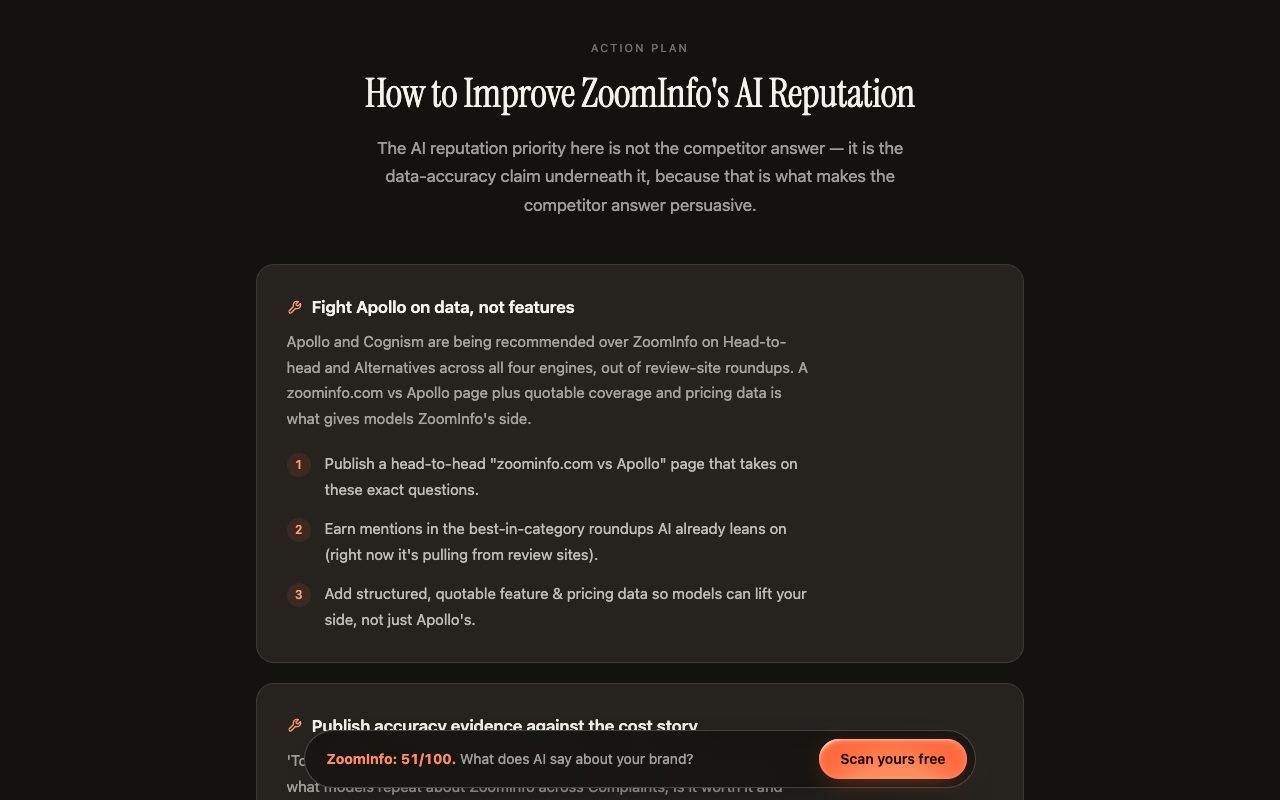
The order surprises teams: the highest-authority sources sit at the bottom because you cannot touch them, and two first-party pages sit at the top. Kairosy's action plan for ZoomInfo points at the same rows under "Fight Apollo on data, not features," "Publish accuracy evidence against the cost story" and "Close the missing trust and safety answer," and it calls "trust at 49" "the worst place to be weak" for a data company.
Which Intervention Fits Each Source Owner?
Interventions are owner-specific, and the ones that work are boring and legal. The owner-by-owner playbook is in how to change what ChatGPT says about my brand. The short version:
- Your pages: publish the missing page instead of rewriting the homepage. Engines quote specific claims, so a dated renewal-terms page beats a values statement. Run it through the free schema markup checker and the AI-Ready Page Audit before you count it as shipped.
- Review platforms: reply in public with the process. Trustpilot's guidelines for businesses (June 2026) forbid incentives "in connection with writing or editing reviews" and inviting only happy customers, and list harmful, personal-data, promotional, non-genuine and wrong-business content as grounds for flagging.
- Forums: answer in-thread, disclosed, once. The FTC's rule on consumer reviews (August 14, 2024) bans fake reviews, undisclosed insider reviews and "compensation or other incentives conditioned on the writing of consumer reviews expressing a particular sentiment."
- Wikipedia: talk page, disclosure, sources, patience.
- News and court records: request a correction only when a fact is wrong. A true, dated story is context to surround, not a target.
One rule covers all five: never argue with a true claim. If contracts auto-renewed on 60 days' notice, state the current policy and the date it took effect, not a rebuttal the engines will read next to the lawsuit.
How Many Re-test Runs Prove an AI Answer Actually Changed?
Re-testing is the stage teams skip, and where most claimed wins turn out to be noise. SparkToro's study (January 27, 2026), in which 600 volunteers ran 12 prompts a combined 2,961 times, found a "<1 in 100 chance that ChatGPT or Google's AI, if asked 100X, will give you the same list of brands in any two responses." Conductor's analysis (updated July 17, 2026) of 14,000 API calls across four LLMs, 50 runs per cell, measured brand overlap between runs at 40% for purchase prompts and 63% for comparison prompts.
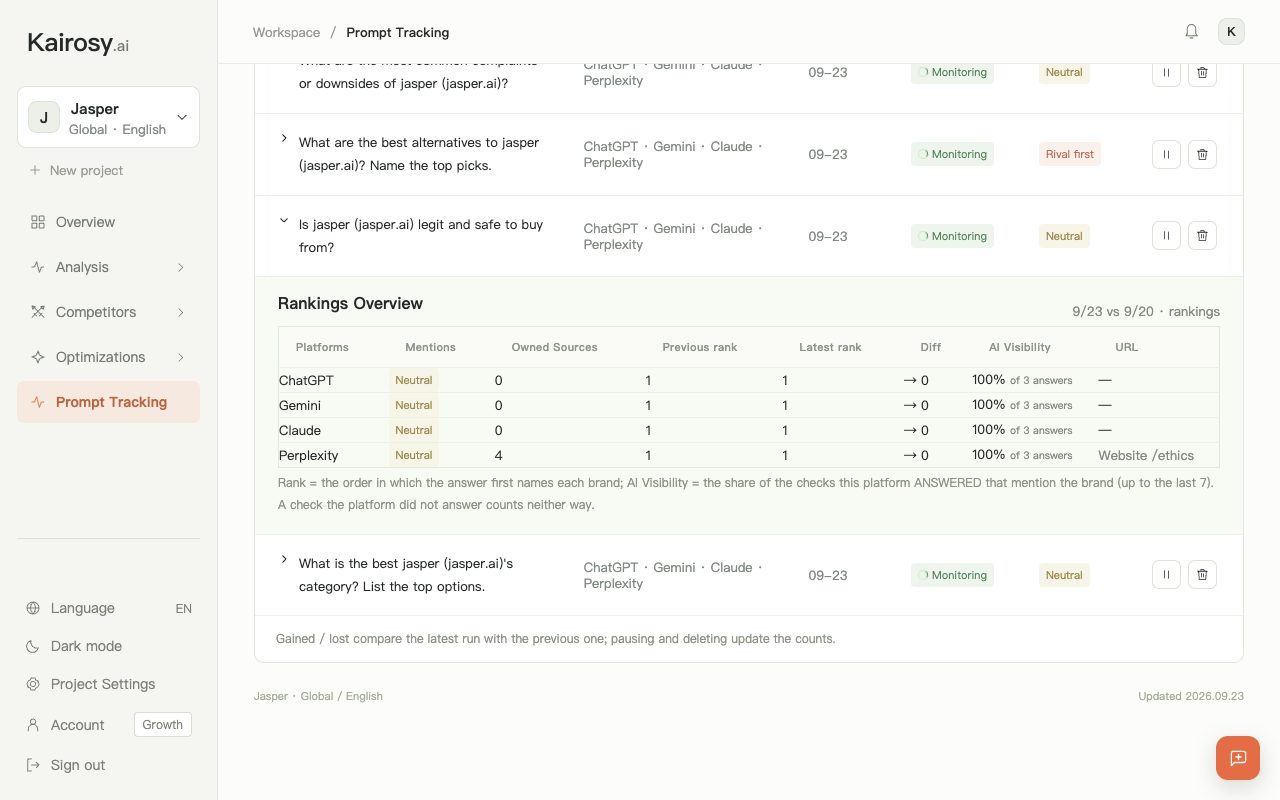
So a re-test is a distribution, not an answer. Keep the prompt set frozen, run each prompt at least three times per engine, and compare the share of runs carrying the narrative before and after. For ZoomInfo, pass means Complaints moving off 24 and Perplexity off 34 across repeated runs, plus fewer than five "prefers competitor" labels.
Timing depends on the owner: a live-search engine can pick up an own-page change on its next fetch, while review-platform averages move only as new reviews arrive. Kairosy checks tracked prompts daily on paid plans and re-scans each tracked brand and market every Monday, so the re-test becomes a series rather than a calendar reminder.
Does the Fix Hold Across Model Updates? The Persistence Stage
A fix that holds in September can fade by December, because the models underneath change on a schedule you do not control. OpenAI's deprecations page opens, "As we launch safer and more capable models, we regularly retire older models," and promises at least six months' notice for generally available models; its June 11, 2026 notice retires the gpt-5-2025-08-07 snapshot on December 11, 2026. Google's Gemini model documentation says the "latest" alias "will get hot-swapped with every new release."
Persistence is a scheduled check, not a hope. Re-run the frozen set after every default-model change and monthly, and alert on four regressions: a new negative keyword, a competitor becoming the preferred pick, a score drop, and an engine flipping sentiment. Those are the alerts AI brand monitoring sends from the Monday re-scan.
Owned sources also persist best: a reply stays on the profile and a dated page keeps its date, so the highest-fixability rows are also the most durable. For the wider discipline, see AI reputation management and the primer on what AI reputation management is.
How to Improve AI Brand Reputation FAQs
How to improve brand reputation in AI generative search results?
Run the seven stages in order: log the narrative, trace its sources, score authority and fixability, intervene on the top rows, re-test on frozen prompts, then re-check after model updates. Generative answers are assembled from cited pages, so the fastest gain is usually publishing the specific page the engines could not find.
How long does it take to improve AI brand reputation?
There is no fixed timeline. Own-page fixes can appear as soon as a live-search engine re-reads the page, while review averages and Wikipedia proposals take longer. Plan a 90-day cycle with re-tests at 30, 60 and 90 days, and treat one improved answer as noise until the share of runs moves.
Should you fix your own site or the review platforms first?
Usually your own site: the fix ships fastest and the page stays yours. Review platforms come second, through public replies and consistent invitations, because you cannot remove honest reviews and both Trustpilot's guidelines and the FTC's rule restrict review incentives.
What if the negative claim about your brand is true?
Confirm it, state the current policy and the date it changed on a page you own, and let the engines cite that page beside the older story. Rebuttals of true claims get quoted next to the evidence against them.
Do you need a separate fix for each AI engine?
Usually not, because a source fix reaches every engine that reads that source. Timing and weighting differ, which is how ZoomInfo scores 60 on ChatGPT and 34 on Perplexity in the same scan. Re-test all four and treat the slowest engine as the finish line.
See what AI says about your brand
Run a free scan across ChatGPT, Gemini, Claude & Perplexity in about 30 seconds.
Run my free scan