Reduce Negative AI Answers About Brand Without Legal Threats in 2026

You reduce negative AI answers about brand without legal threats by sorting every claim into one of four types, fixing what is true, publishing dated evidence for what is false, and sending neutral correction requests to the source owner and to the platform's feedback form. Then you re-test the same questions on a schedule, because nothing in this process deletes anything.
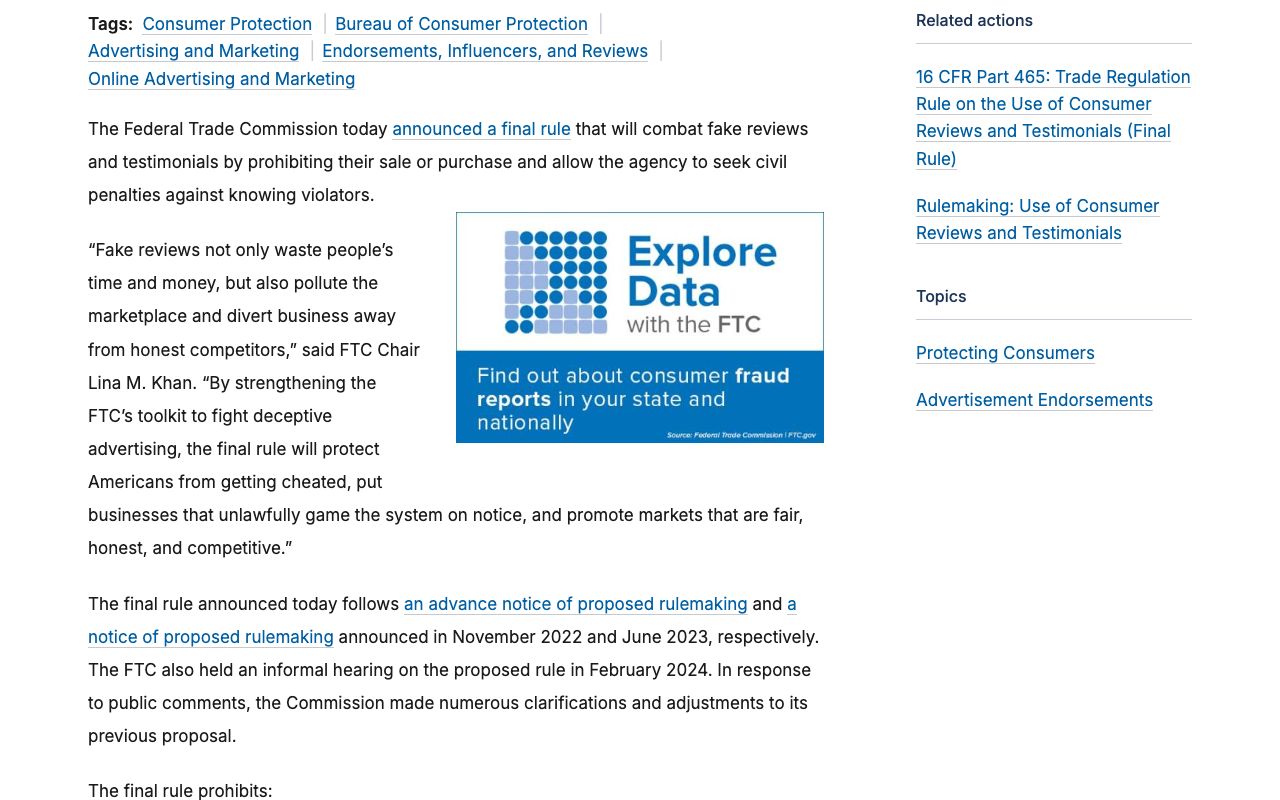
A lawyer's letter does not reach a model's training data, and in the US it can backfire: the FTC's final rule on reviews (announced August 14, 2024) prohibits "unfounded or groundless legal threats" used "to prevent or remove a negative consumer review" (FTC press release). Below is the non-legal route, step by step, with two correction templates and a 30-day plan. Both templates are suggestions you adapt and send yourself.
Which Negative AI Answers Are Real Criticism, Outdated Info, Factual Errors or Context Mistakes?
Sort first, because each type has a different owner and lever. A true claim cannot be "corrected," and a false one cannot be fixed by shipping a feature.
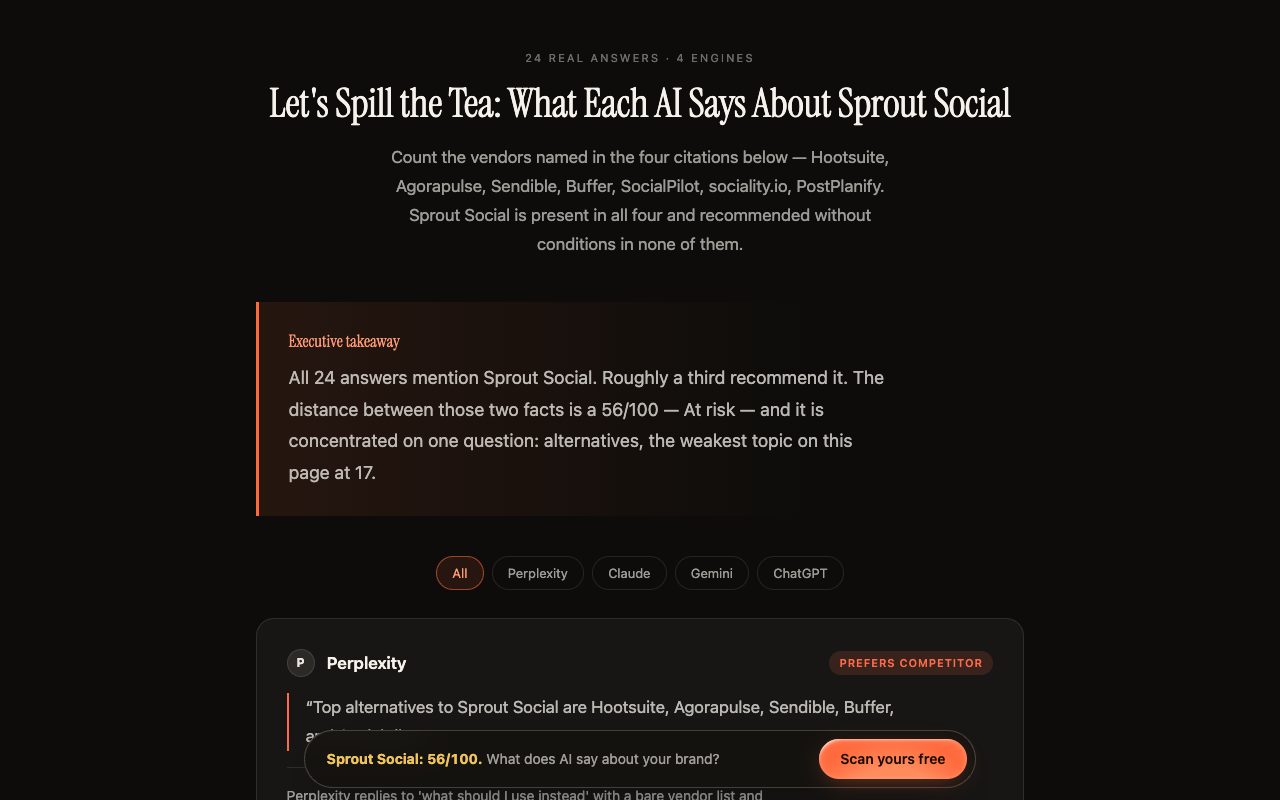
Kairosy's public scan of Sprout Social (scanned August 5, 2026) shows three types in one report. ChatGPT named sociality.io "for analytics/reporting," handing a rival the capability Sprout Social is known for: a misattribution. Perplexity listed "high pricing, contract/cancellation friction, and limitations in reporting": real criticism with a source behind it. Claude's "aggressive pricing and cancellation" is a judgement about how the company sells, which you can add context to but not refute (Kairosy, Sprout Social AI performance).
The outdated bucket is structural. Anthropic notes Claude "might not have been trained on the most-up-to-date information" (Claude Help Center), and Cheng et al. found that "effective cutoffs often differ from reported cutoffs," partly because new CommonCrawl dumps hold "non-trivial amounts of old data" (Dated Data, arXiv, March 2024). An engine quoting your 2024 price is reading an old copy of your site.
| Type | How it shows up | Your lever | What you do not do |
|---|---|---|---|
| Real criticism | Matches tickets, reviews or your own data | Fix it, publish a dated update, reply publicly | Ask an editor to remove something accurate |
| Outdated information | Old price, retired plan, feature that has since shipped | Refresh the page at the same URL, redirect retired URLs | Leave the old URL live beside a new one |
| Factual error / wrong entity | A fine or feature that belongs to another company | Correction request with dated evidence, plus a disambiguation line on your site | Threaten, demand deletion, set deadlines |
| Context mistake | True only against a named rival or a use case you don't serve | A current comparison page and a "who this is not for" section | Argue in a review thread |
Still looking for where the sentence came from? Why ChatGPT says negative things about a brand covers causes, and negative AI sentiment sources traces a claim to its cited passage. This post starts once you have both.
How Do You Save the Answers and Build an Evidence Packet for Each Claim?
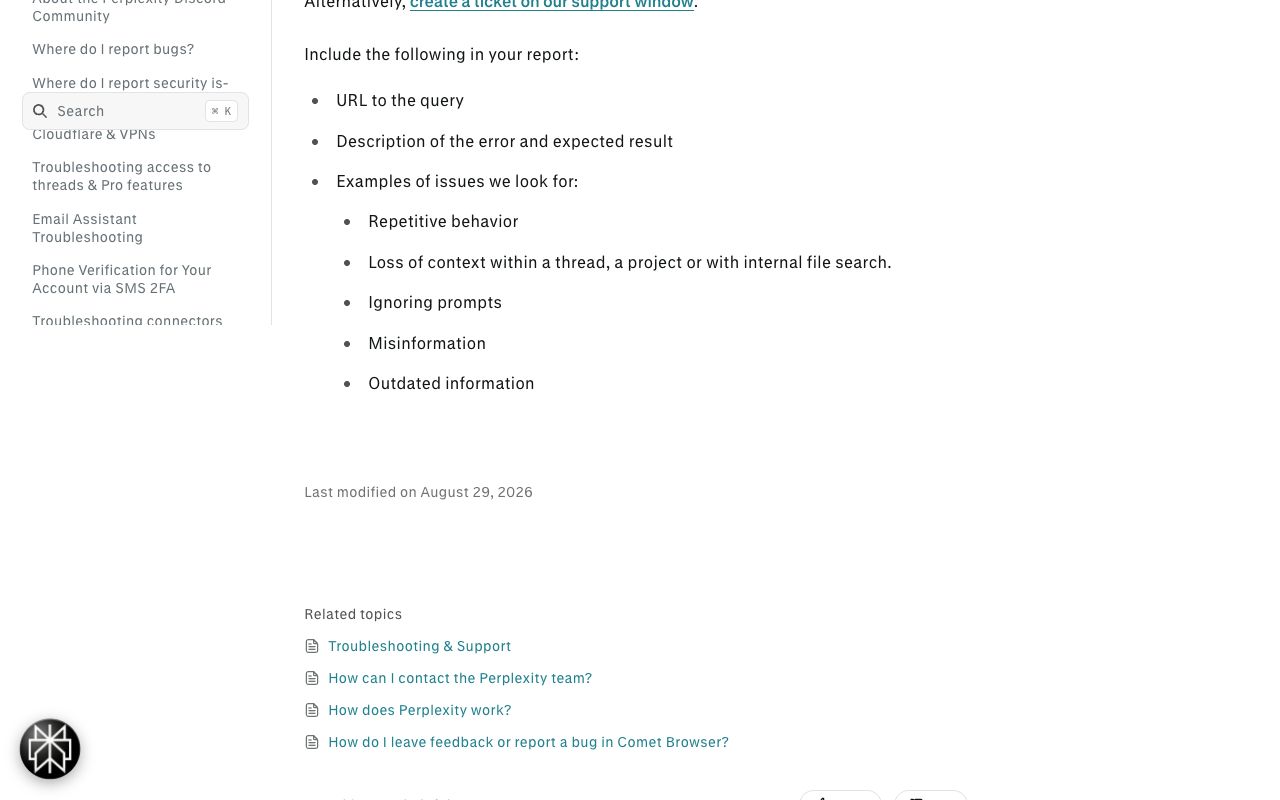
Every correction channel asks for the same material, so collect it once. Perplexity asks for the "URL to the query" and a "description of the error and expected result" (Perplexity Help Center). An editor wants the quote, the page and your counter-evidence.
One packet per claim:
- The question as asked, the engine, the model if shown, and whether web search was on.
- The full answer, a dated screenshot and the share link if one exists.
- The market and language, since answers differ by country.
- The cited URL and the passage behind the negative sentence, or a note that none exists.
- Your counter-evidence: current URL, last-updated date and the line that contradicts the claim.
- The claim type and the person who owns the next action.
Run each question several times before filing. The EBU/BBC study published October 22, 2025 found 45% of AI news answers had "at least one significant issue" (EBU). A claim in one run of three is noise you log; three of three is a packet you send.
Should You Fix the Real Product Problem Before Asking Anyone to Correct the AI?
Yes. If cancelling really takes three emails and a call, a correction request asks an editor to print something false, and editors check. For real criticism the only honest move is the change itself, then a short dated page: what was wrong, what is different, where to verify it.
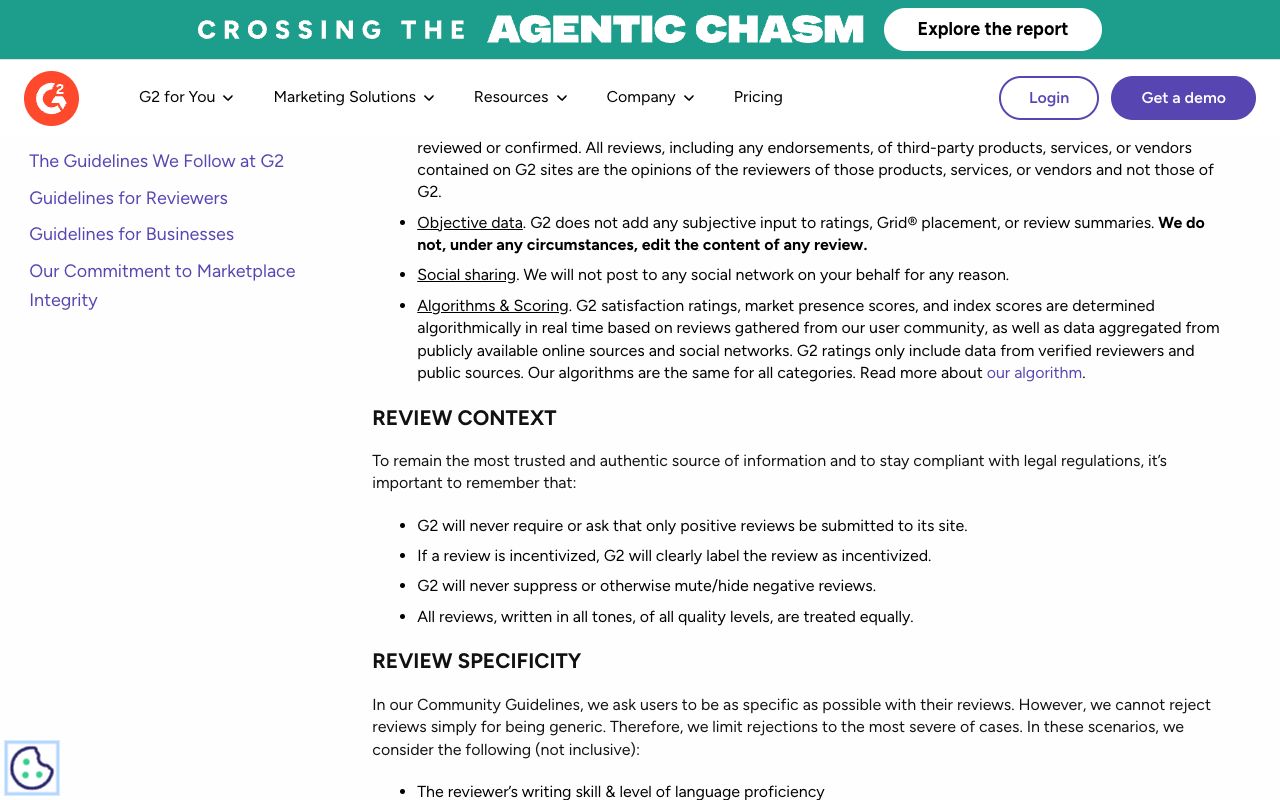
Then reply where the complaint lives. G2 invites sellers "to provide their perspective" on "inaccurate or negative commentary" (G2 Community Guidelines), and Trustpilot frames replies as a way to "resolve issues" and "build trust" (Trustpilot). A dated reply is a new passage the next crawl reads.
Do not try to make genuine reviews disappear. G2 does "not edit or remove reviews at a seller's request," and Google's Business Profile help says: "Do not report a review just because you disagree with it or dislike it" (Google Business Profile Help). Flagging is for policy violations only, outside this guide.
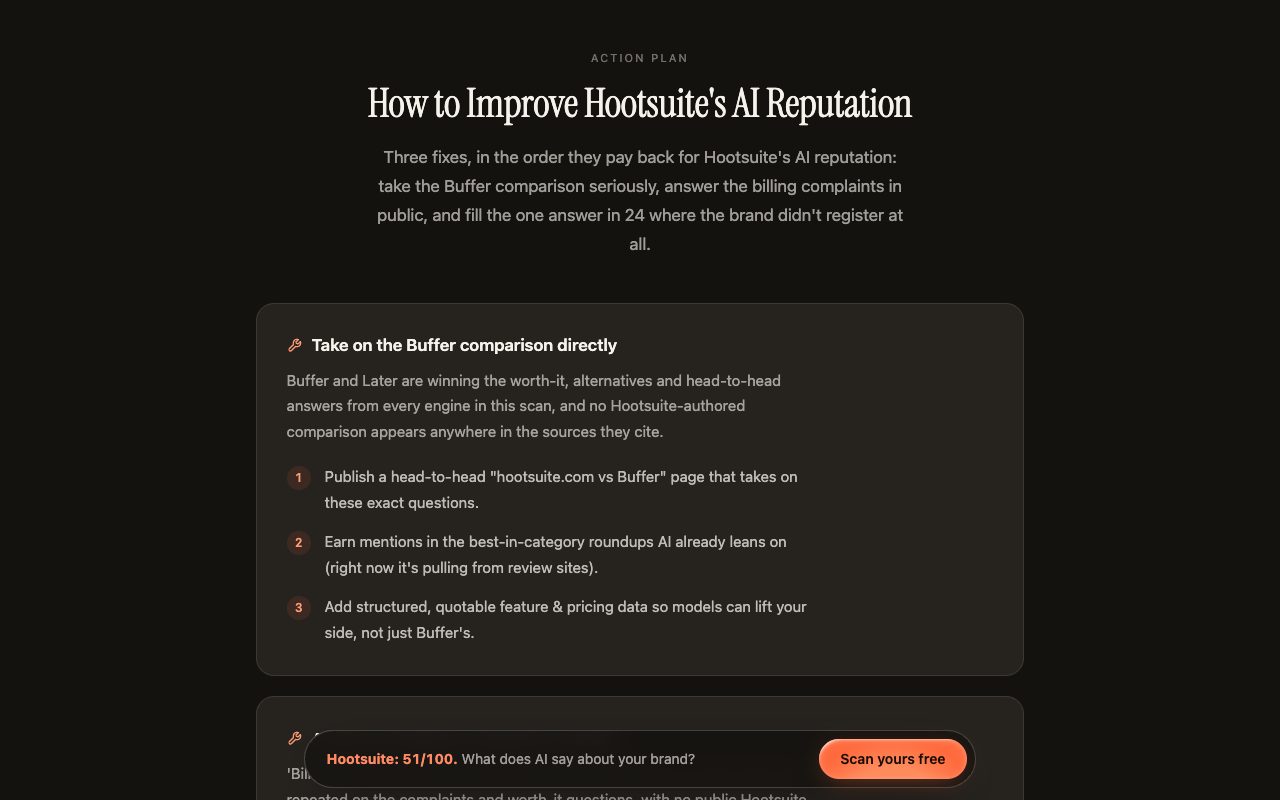
Kairosy's Fix Strategy turns each negative narrative into a task card with a checklist, and "My Fix Plan" tracks progress, so the fix, the update page and the reply get owners before anyone emails an editor. A shorter version of this workflow is in how to fix negative AI mentions.
What Evidence Pages Fix Misleading AI Brand Descriptions: Pricing, Policy, Features and FAQ?
The pages that fix misleading AI brand descriptions are plain ones. Google says there are "no additional requirements to appear in AI Overviews or AI Mode" and "no special schema.org structured data that you need to add" (Google Search Central). The job is a current page for every fact an engine gets wrong, each with a visible "last updated" date:
- Pricing: the number, the billing period, what is included, retired plans removed.
- Cancellation and refund policy, answering the complaint in the first paragraph.
- Features, including what the product does not do, so a context mistake has something to cite.
- An FAQ that uses the negative question as its heading and answers it in two sentences.
- A disambiguation line on the About page when the error belongs to a similarly named company.
Make them reachable: 301 retired URLs and confirm with the redirect checker, then confirm indexing with the index checker. The paid AI-Ready Page Audit checks structure, crawler access and freshness in one pass. To fix negative AI answers without legal action, this step does most of the lifting.
How Do You Write a Neutral, Verifiable Correction Request to a Third-Party Editor?
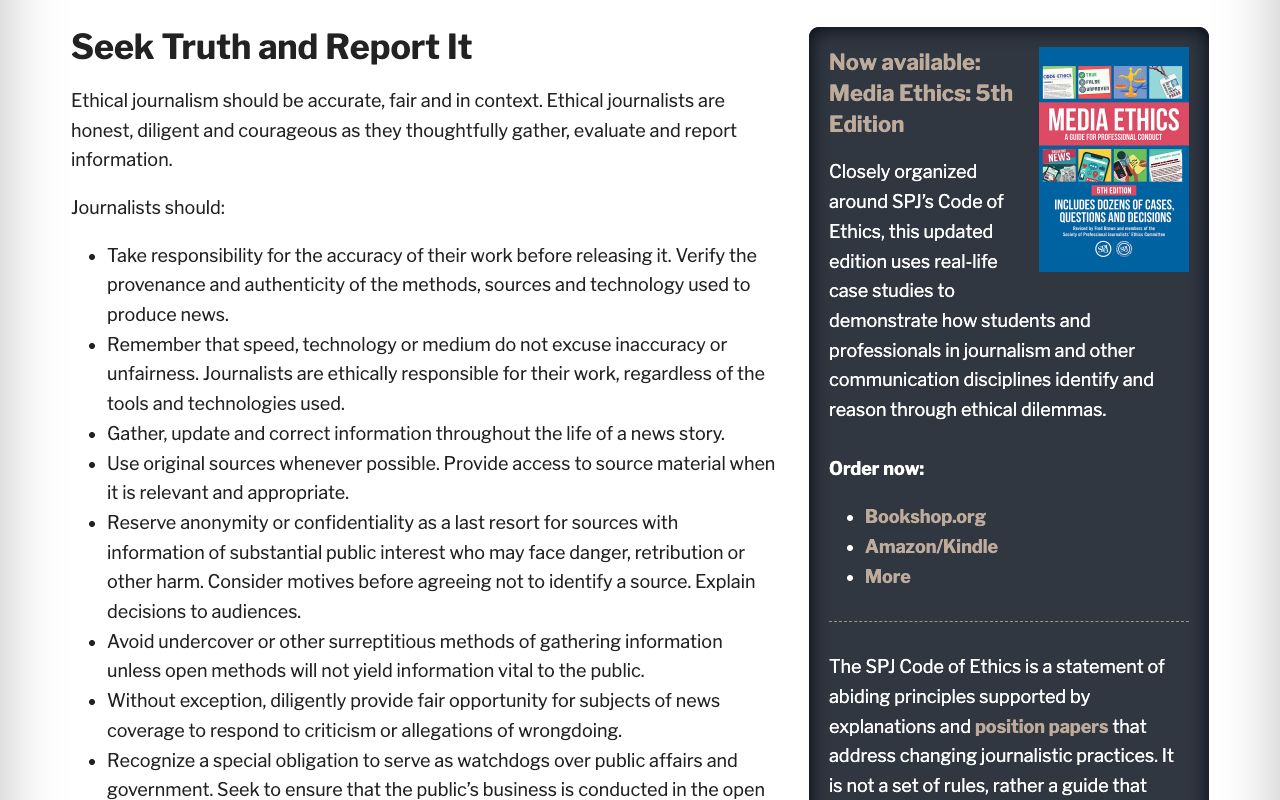
Editors already have a norm for this. The SPJ Code of Ethics says "Acknowledge mistakes. Correct them promptly and prominently" (SPJ), and the Trust Project asks of news sites, "Do they correct errors quickly, clearly and prominently?" (The Trust Project). Make the correction easy to verify and easy to print.
For Wikipedia, don't edit the article: the conflict-of-interest guideline says to "disclose your COI" and "propose changes on talk pages" (Wikipedia). Review platforms get a public reply, not a correction request.
Template 1: correction request to a source editor (suggested wording)
A suggestion only. Edit it, sign it with a real name and send it from a company address. Kairosy does not send anything on your behalf.
Subject: Correction request: [page title], [one fact]
Hi [Name], I work at [Company] as [role]. Your page [URL] (as of [date]) says: "[exact quote]."
The current fact is: [one sentence]. Source: [your URL, last updated date], and [independent source if any].
AI assistants cite this page: on [date], [engine] answered "[buyer question]" with "[quote]" and linked it.
Would you update the line or add a dated note? Happy to provide anything that helps verify it. Thanks, [Name], [email]
Keep it neutral: no "legal," "defamation" or "deadline." One fact per email, so a yes is cheap. Quote verbatim so the editor never has to interpret.
How Do You Report a Wrong AI Answer Through Each Platform's Feedback Channel?
Every major engine has a feedback control under the answer. None promises a correction. What each says on its own help pages, as read October 2026:
| Platform | Control | What it says about feedback |
|---|---|---|
| Google AI Overviews | Thumbs down, then "Report a problem"; query and results attached | Uses "user feedback and human reviews" to "evaluate and improve" (Google Search Help) |
| Gemini app | "Bad response," optional reason; conversation attached | Helps make Gemini "more helpful, accurate, and safe" (Gemini Apps Help) |
| Perplexity | Flag icon below the answer, or a support ticket | Lists misinformation and outdated information as reportable |
| ChatGPT | Thumbs down, plus Report for policy violations | Described in OpenAI's reporting help article |
| Claude | Thumbs down; conversation shared with Anthropic | Asks users to say when "a particular response was unhelpful" |
Template 2: platform feedback text (suggested wording)
Feedback fields are short and nobody replies, so state the fact, the evidence and the expected answer:
The answer to "[question]" states "[quote]." This is [incorrect / outdated]. As of [date], [correct fact]. Source: [URL]. The cited page [URL] [no longer says this / is about a different company]. Expected answer: "[one sentence]."
File it once per engine and question, with the packet open beside you. Feedback is a signal into evaluation, not a ticket with a case number.
How Often Should You Re-Test, and Why Track Answers Instead of Expecting Removal?
Nothing you did deletes anything, so the answer itself is the only proof. Re-run the same questions on the same engines in the same market and count the runs where the claim still appears, and which URL it cites. Live-retrieval answers can change after a recrawl; memorized claims usually wait for a model update.
- Daily for questions tied to an open claim.
- Weekly for the full set, to catch new negatives.
- A before/after record per claim: fix date, request date, first clean run.
Kairosy's Prompt Tracking re-runs tracked questions daily on 4 of its 6 engines (ChatGPT, Gemini, Claude, Perplexity, DeepSeek, Doubao), with per-engine answer cards, cited domains and a seven-run history. A deep rescan runs every Monday, and a weekly email flags score drops, a competitor being preferred, an engine flipping and new negative keywords. The before/after method is in how to change what ChatGPT says about my brand; engine-level tracking starts at ChatGPT brand monitoring.
Count a claim resolved when it is absent across repeated runs and the fixed URL has left the citations. If it returns with a new source, open a new packet.
What Does a 30-Day Plan to Reduce Negative AI Answers About Brand Without Legal Threats Look Like?
A suggested sequence for one brand with a handful of open claims. Shift the days to your release cycle; keep the order.
| Days | Action | Owner |
|---|---|---|
| 1–3 | Run the question set three times per engine, list negative sentences, assign types | Marketing |
| 4–7 | Build one evidence packet per claim | Marketing + support |
| 8–14 | Fix or schedule real issues, publish the dated update, reply on review platforms | Product + support |
| 10–16 | Refresh pricing, policy, feature and FAQ pages, set redirects, confirm indexing | Web |
| 15–20 | Send Template 1 to source editors and file Template 2 per engine; log both | Comms + marketing |
| 21–30 | Daily re-test on open claims, weekly full set, record first clean runs | Marketing |
Two things stay off the plan. No legal letters to reviewers or editors. And no manufactured positives: the FTC rule also bans fake reviews and incentives "conditioned on the writing of consumer reviews expressing a particular sentiment," and Google's Maps policy prohibits content posted "due to an incentive offered by a business" (Maps content policy). Genuine reviews earned after a real fix are the only positives that last.
Kairosy handles the measurement: it runs the questions, keeps answers with sources, classifies sentiment and lists negative narratives, from $29 a month (Basic) after a seven-day trial with no card. The emails, fixes and judgement about what is true stay yours. More at AI reputation management.
Reduce Negative AI Answers About Brand Without Legal Threats FAQs
Can I make an AI engine delete a negative answer about my brand?
No. There is no removal request for a generated answer. Report it through feedback, change the sources it reads, and re-test.
What if the negative claim is true?
Fix the issue, publish a dated account of the change and reply publicly. Editors refuse to remove accurate statements, and G2 and Trustpilot don't remove critical reviews at a business's request.
Is it ever appropriate to mention lawyers in a correction request?
Not in the request. Genuine defamation is a separate decision for counsel. For reviews, the FTC's 2024 rule prohibits groundless legal threats used to remove negative reviews.
How long before a corrected page changes the AI answer?
There is no fixed interval. Live-retrieval answers can shift within days of a recrawl; training-data claims may wait for a new model. Record the first clean run instead of setting a deadline.
Should I report the same wrong answer on every platform?
Yes, once per engine and question, since each platform evaluates its own feedback. Reuse the packet and log which engines changed.
Does Kairosy send the correction requests for me?
No. Kairosy measures what engines say, keeps answers and sources, extracts negative narratives and proposes fix tasks. Writing to editors and filing feedback is yours to do.
See what AI says about your brand
Run a free scan across ChatGPT, Gemini, Claude & Perplexity in about 30 seconds.
Run my free scan